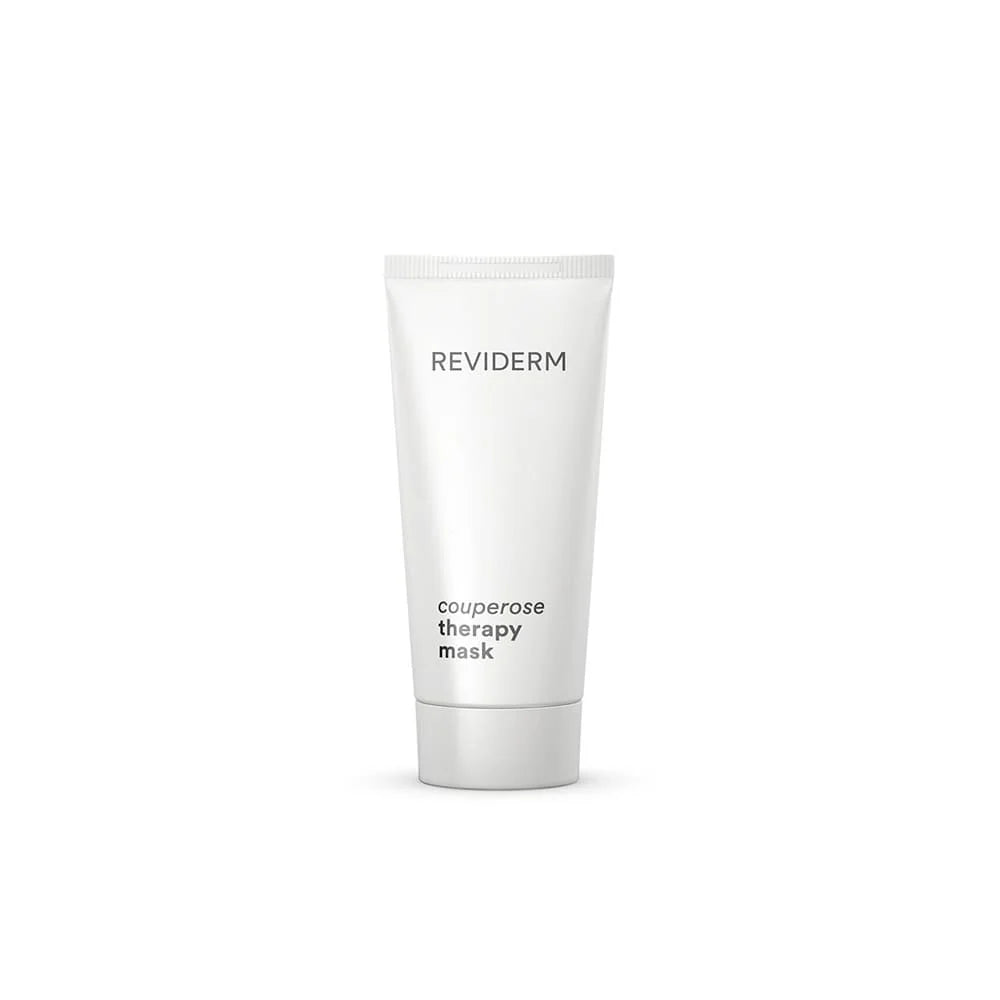
What is a cream face mask
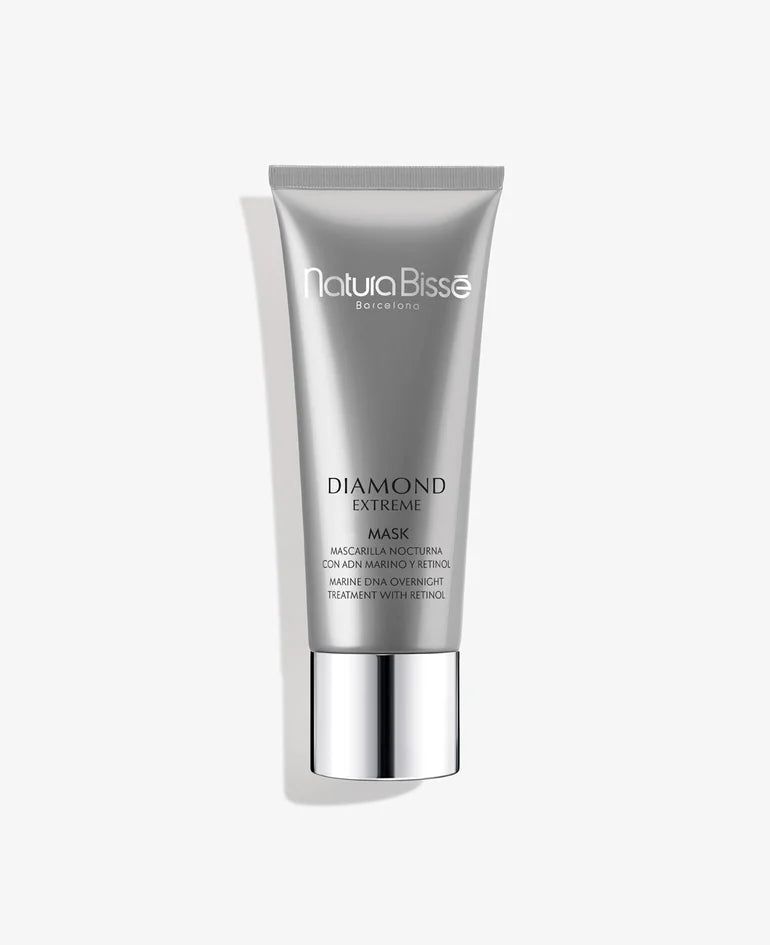
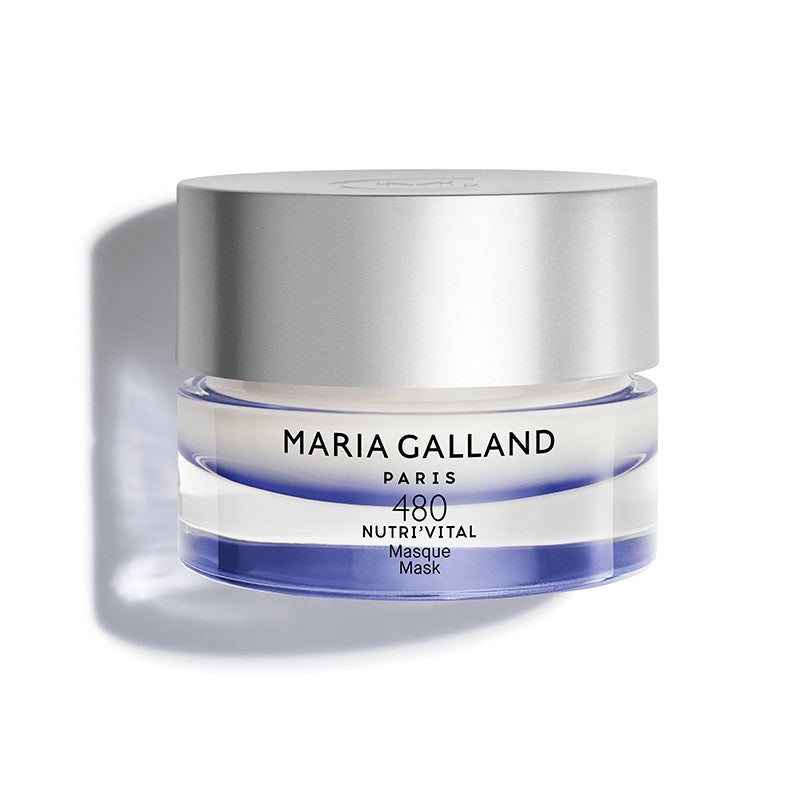
The cream face mask is one of the most versatile formats in facial cosmetics. It has a dense, enveloping texture, similar to that of a concentrated body cream, which is spread over the face with your fingers and left to work for a few minutes before being removed with water or a damp towel. Unlike clay masks, which tend to dry out the skin in order to purify it, the cream face mask is mainly designed to nourish, soothe or boost hydration, so its feel and finish are much more comfortable. It's a popular choice for those looking for an intensive treatment without the tightness typical of other formats. Since it's reusable and, in some formulas, doesn't require immediate rinsing, it fits easily into both a quick weekday routine and a more leisurely weekend care ritual.
How to choose a cream face mask for your skin
The choice mainly depends on your skin's needs at that moment:
- Dry or dehydrated skin: benefits from formulas rich in emollients and hyaluronic acid that reinforce the hydrolipidic barrier.
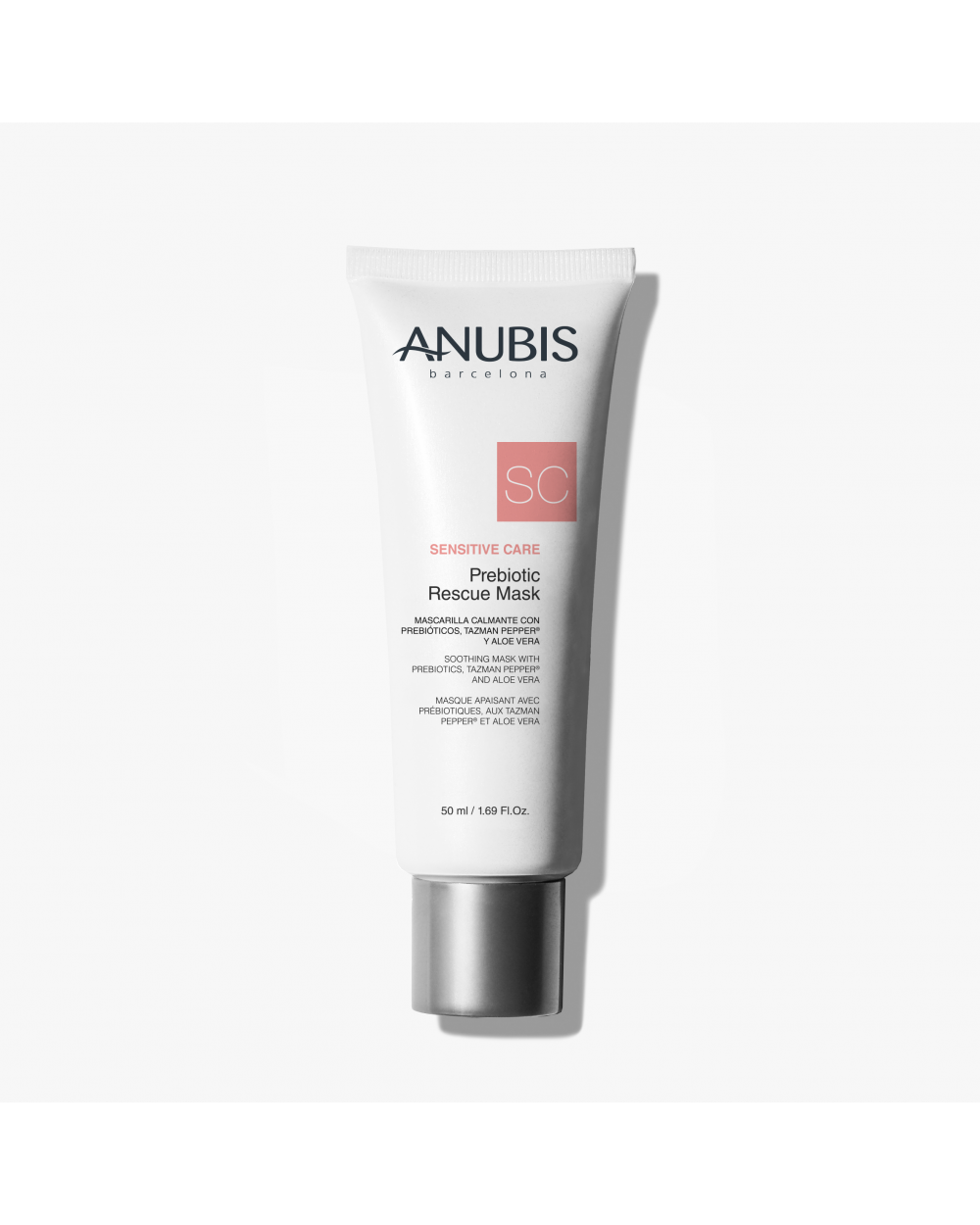
- Sensitive or reactive skin: it's best to prioritise gentle creams with soothing ingredients and no harsh fragrances.
- Mature skin: tends to look for more nourishing formulas, aimed at visibly improving firmness and radiance.
- Combination skin: you can apply the cream mask only to the drier areas, such as the cheeks, and reserve a different purifying formula for the T-zone.
What sets it apart from other mask formats
The cream face mask stands out from other formats for its ease of use and for allowing what's known as multi-masking, meaning applying different formulas to different areas of the face in the same session. Compared to sheet masks, which deliver a highly concentrated dose of serum in a short time, cream masks tend to work more gradually and are reusable as many times as you like without generating single-use waste. Compared to peel-off masks or clay masks, which are more geared towards purifying, cream masks focus on nourishing and comforting the skin.
Common ingredients in cream masks
Common ingredients include hyaluronic acid and glycerin, which help attract and retain water in the skin; shea butter or vegetable oils, which boost the feeling of nourishment; niacinamide, associated with improving the appearance of skin texture; and soothing extracts such as oat, calendula or aloe vera, suited to skin prone to redness. The combination of these active ingredients in a creamy base allows them to work throughout the entire time they're on the skin without evaporating quickly.
How to correctly apply the cream mask
Apply to clean, dry skin in an even layer, somewhat more generous than that of a daily cream, avoiding the eye contour unless otherwise indicated on the product. The recommended exposure time usually ranges between ten and fifteen minutes, enough time for the active ingredients to penetrate without the formula fully drying out. Remove with lukewarm water, gently massaging, or with the help of a damp towel, and it's a good idea to finish the routine with your usual serum or moisturiser to seal in the hydration achieved.
Tips and mistakes to avoid
A common mistake is applying too thin a layer, which reduces the treatment's effect because the formula doesn't have enough product to work in depth. Another common mistake is leaving it on longer than indicated, thinking this will intensify the result, when in reality the optimal time is already calculated for each formula. It's also best to avoid mixing several masks with very different actions on the same day, as this can overload the skin instead of helping it. Used regularly, once or twice a week, the cream mask helps visibly improve skin comfort and softness. Over time, this extra care is especially noticeable in areas more prone to dryness, such as the cheeks or the sides of the face, reinforcing the effect of your usual moisturiser without ever replacing it.