What is facial cleansing foam
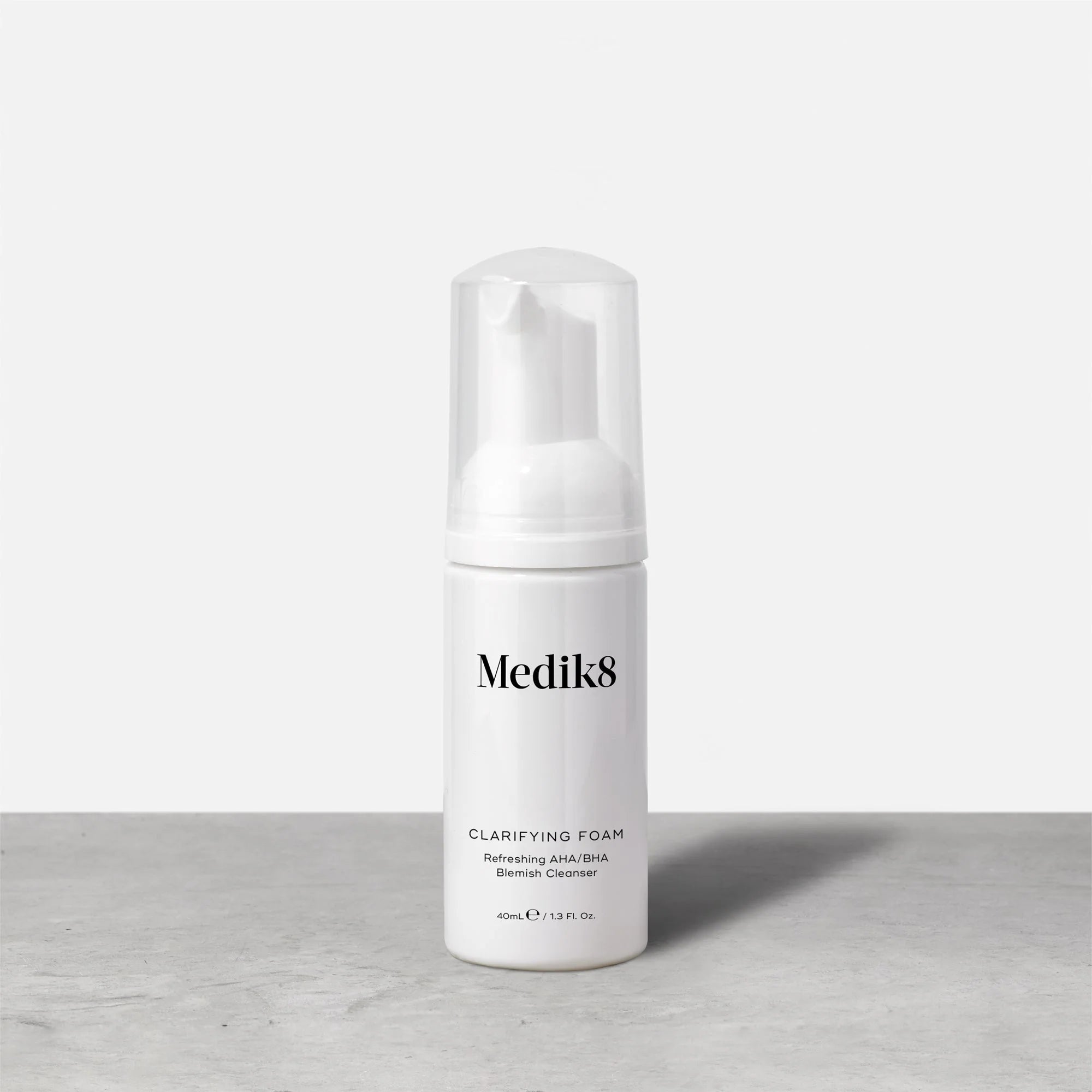
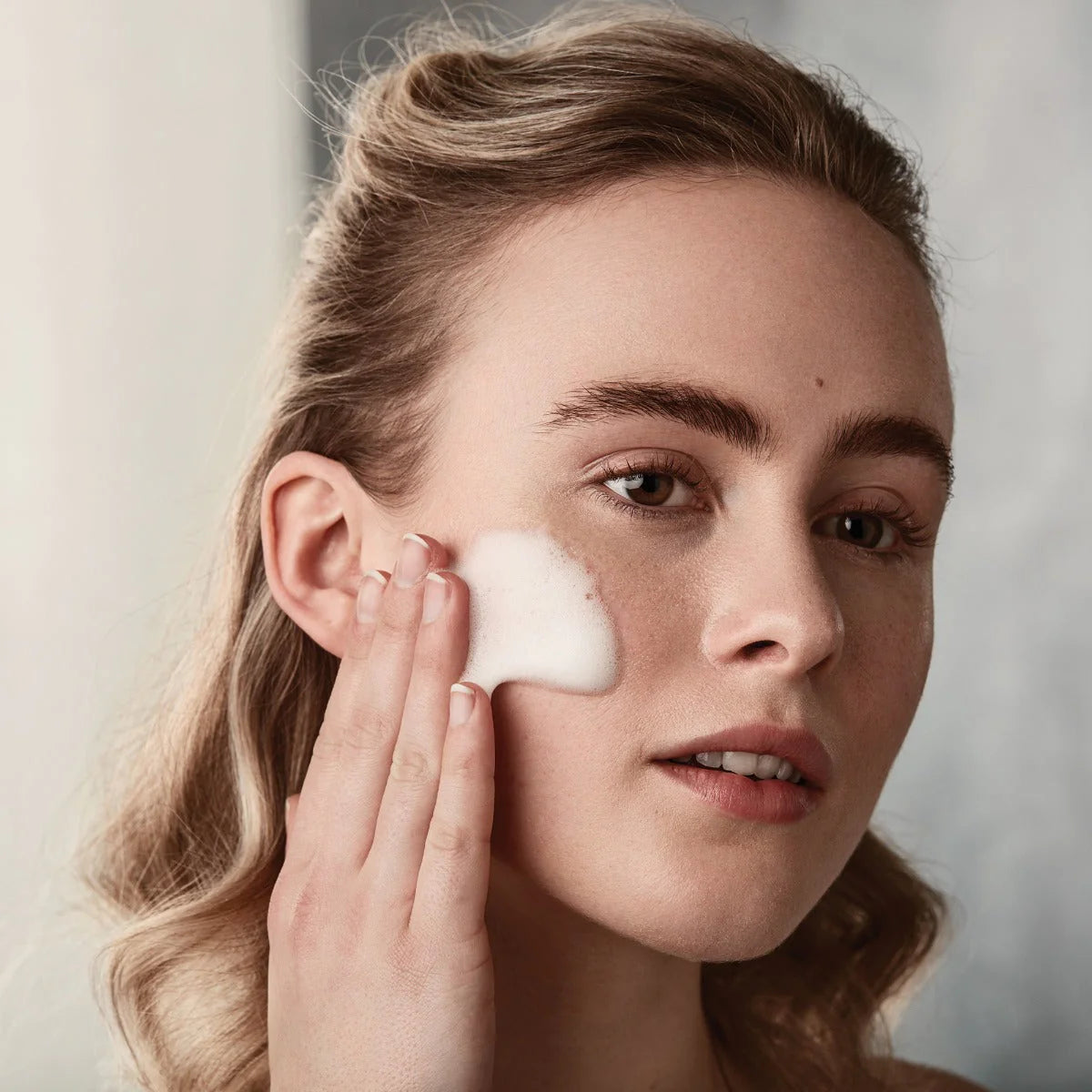
Facial cleansing foam is a cleansing product with an airy, light texture that activates on contact with water, forming a soft foam that spreads easily over the whole face. Its function is to remove makeup, excess sebum, sunscreen and pollution particles accumulated throughout the day, leaving skin clean without the tight feeling that other, harsher formats sometimes cause. Thanks to its texture, it's especially comfortable to apply and rinse off, making it one of the most common facial cleansing formats for both morning and evening routines.
Why a foam texture makes cleansing easier
By forming small, uniform bubbles, the foam spreads evenly across the whole surface of the face, without needing to rub excessively to cover every area. That same texture reduces friction on the skin during the cleansing massage and allows for a quick, thorough rinse with water.
What skin type is facial cleansing foam best suited for
Facial cleansing foam is usually especially recommended for oily or combination skin, as its action tends to be more purifying and helps control excess sebum without leaving a greasy residue on the skin. It's also a good option for skin with enlarged pores, as long as the formula includes purifying ingredients such as salicylic acid or plant extracts with an astringent action. For dry or sensitive skin, it's best to check the composition carefully, as some foams can be somewhat more drying than a cream or oil cleanser, so specific formulas without harsh sulphates are recommended.
- Oily skin: foams with a purifying action and sebum control.
- Skin with enlarged pores: foams with salicylic acid or astringents.
- Combination skin: lightweight foams for the whole face.
- Dry or sensitive skin: gentle foams, without harsh sulphates.
How to choose a good facial cleansing foam
When choosing a cleansing foam, it's worth considering several aspects besides skin type: the pH of the formula, ideally similar to that of the skin so as not to disrupt its natural balance, and the presence of purifying or soothing ingredients depending on your specific needs. Foams with ingredients like green tea or zinc are usually aimed at skin prone to shine, while those containing glycerin or panthenol provide extra softness, suitable even for frequent use without over-drying the skin.
How to correctly apply facial cleansing foam
Apply to damp skin, massaging with your fingertips in circular motions for about thirty to sixty seconds, paying attention to areas more prone to oiliness, such as the forehead, nose and chin. Then rinse with lukewarm water until the foam is completely removed, avoiding very hot water, which can disrupt the skin barrier. If you've been wearing makeup, it's best to apply an oil-based product first as the initial step of a double cleanse, leaving the foam as the second step to complete a deep clean.
Foam in a bottle or a pump dispenser
Cleansing foam can come ready-to-use in a pump dispenser, which generates the airy texture directly when pressed, or in a gel or cream format that's activated by mixing with water between the hands before applying. The first format is more convenient for dosing the exact amount and avoids wasting product, while the second usually offers a somewhat higher concentration of active ingredients per application, since it's not already diluted in the packaging.
Common mistakes when using facial cleansing foam
A common mistake is using cleansing foam as the only step when wearing makeup, without a first oil-based step to properly dissolve residue before the water-based part. Another frequent error is massaging too hard, thinking it cleanses better, when excess friction can actually irritate the skin. It's also best to avoid leaving the foam on for too long before rinsing, as some surfactants can dry out the skin if left on the face longer than necessary.