What is a sheet mask
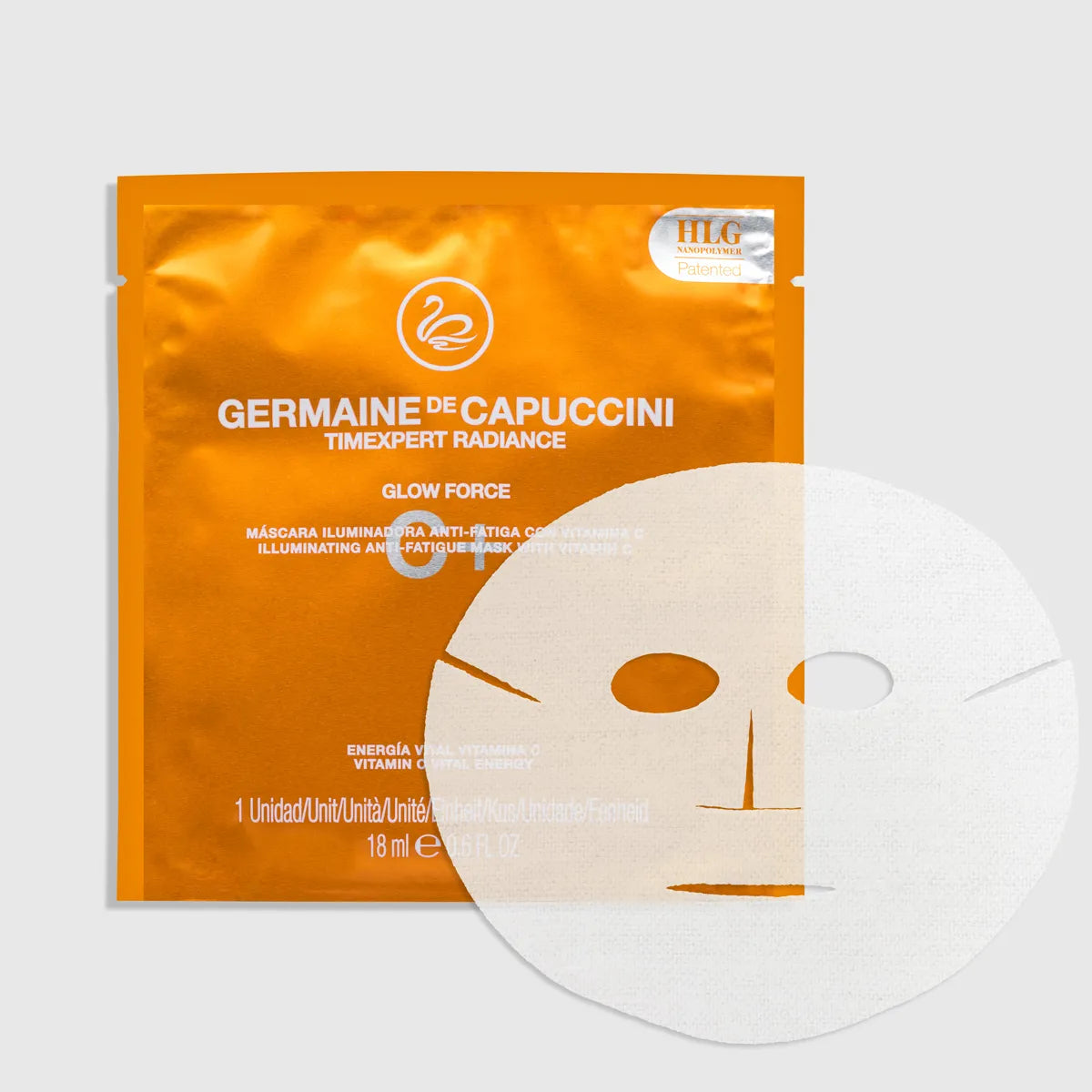
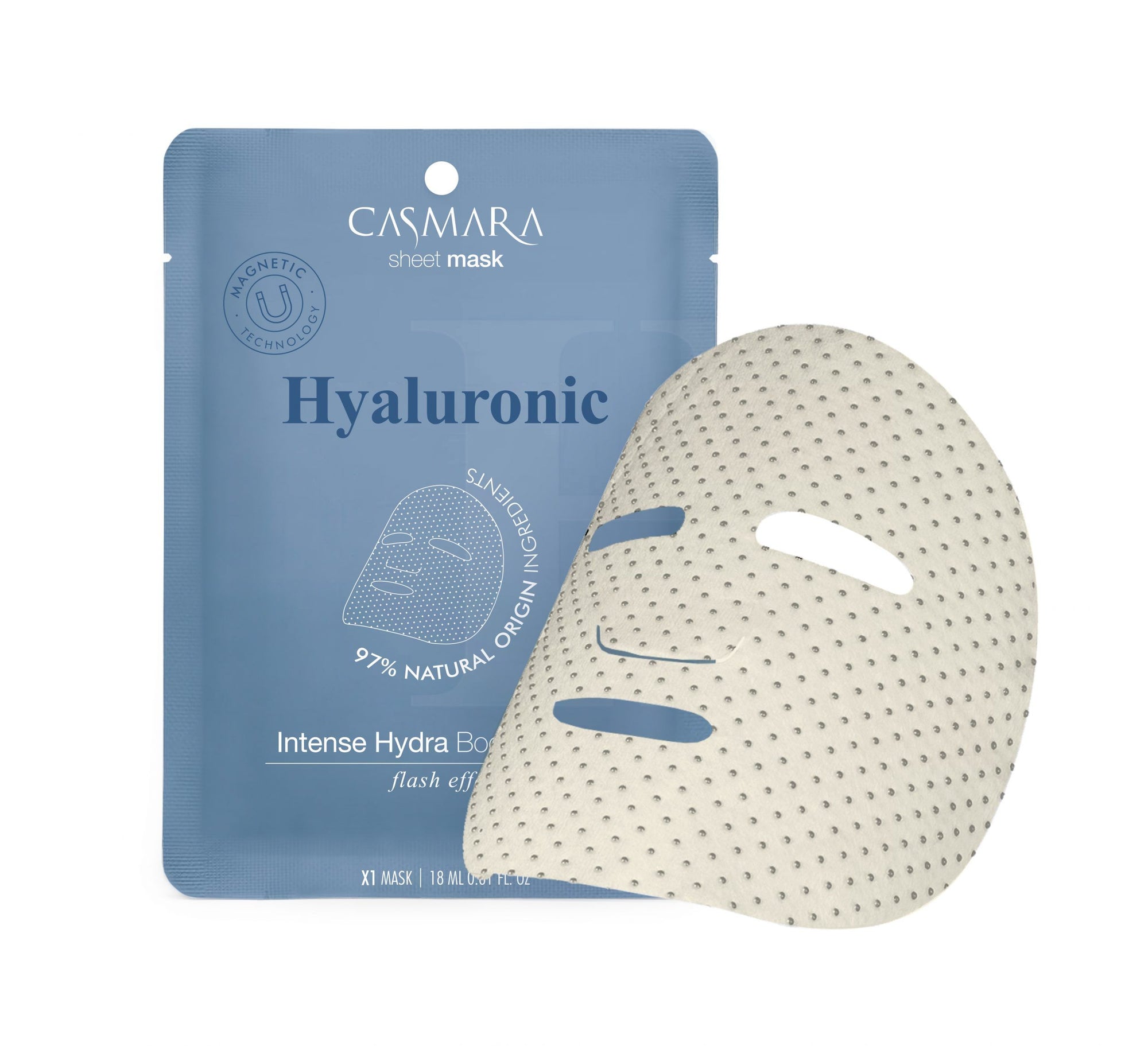
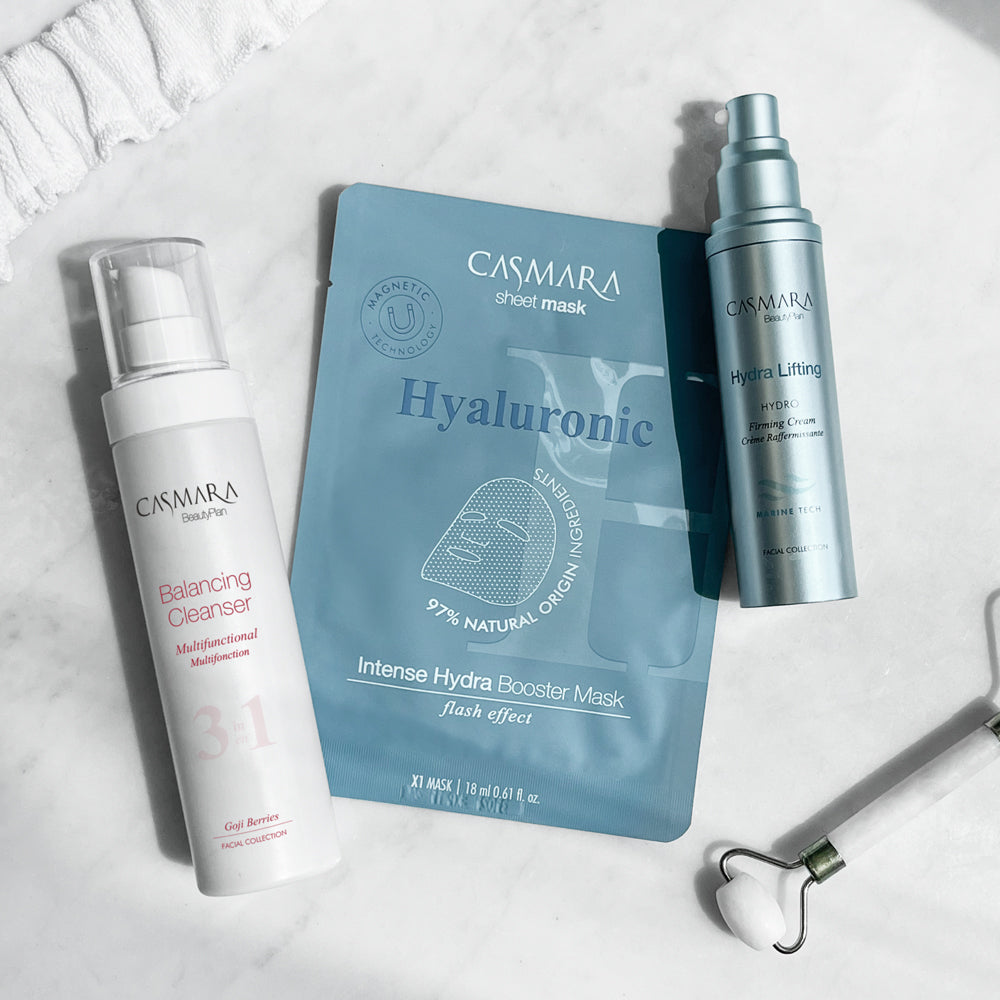
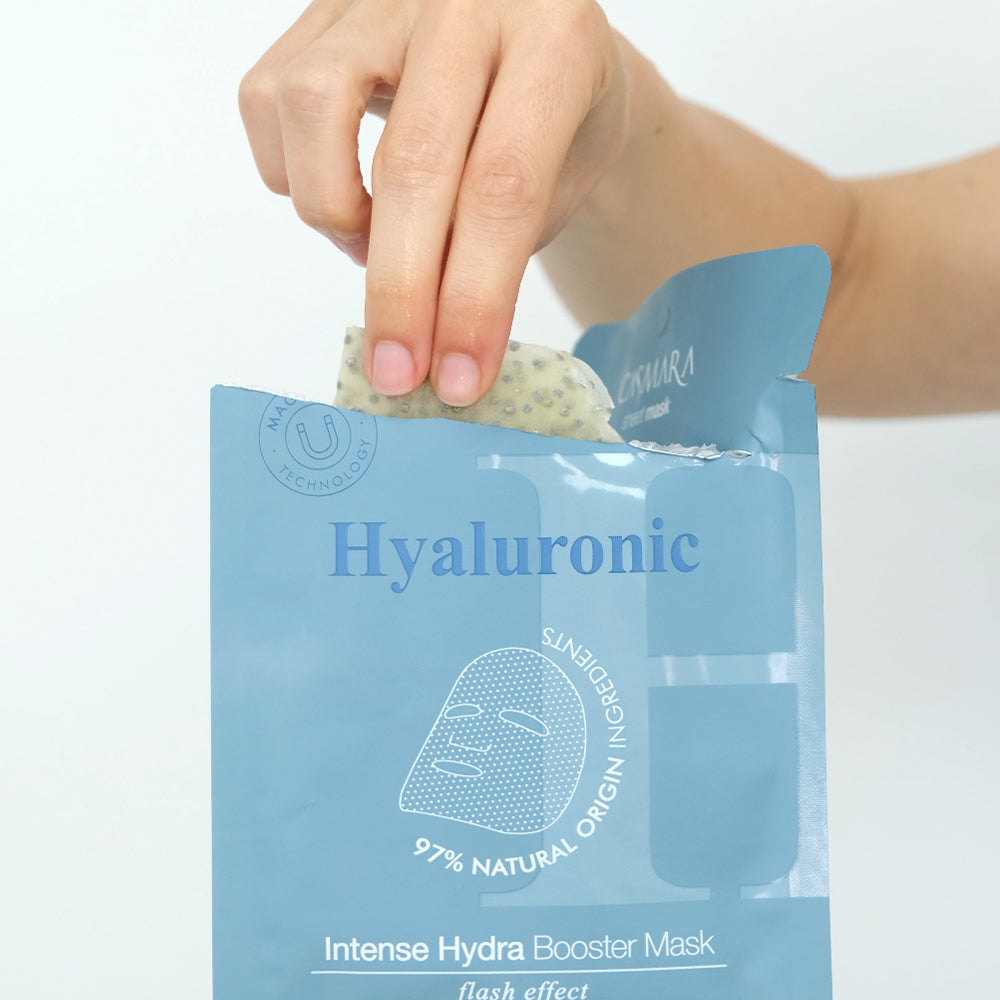
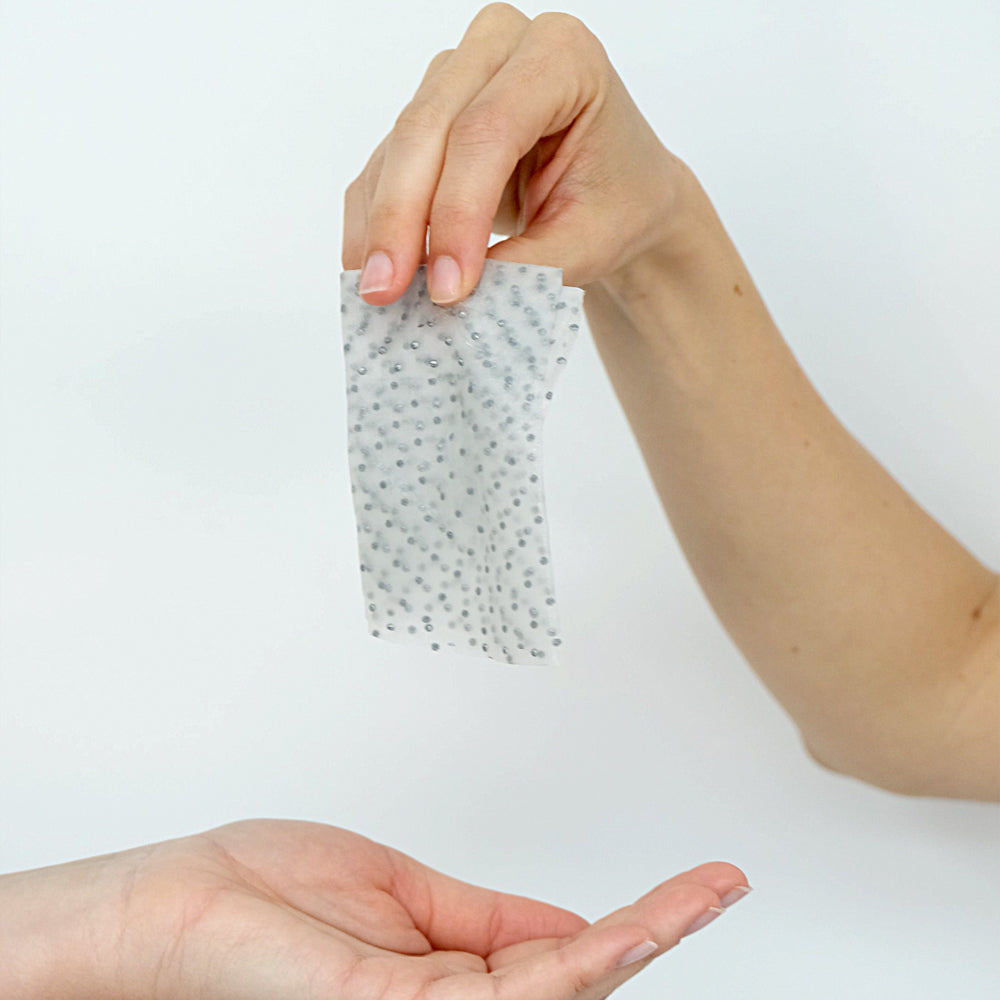
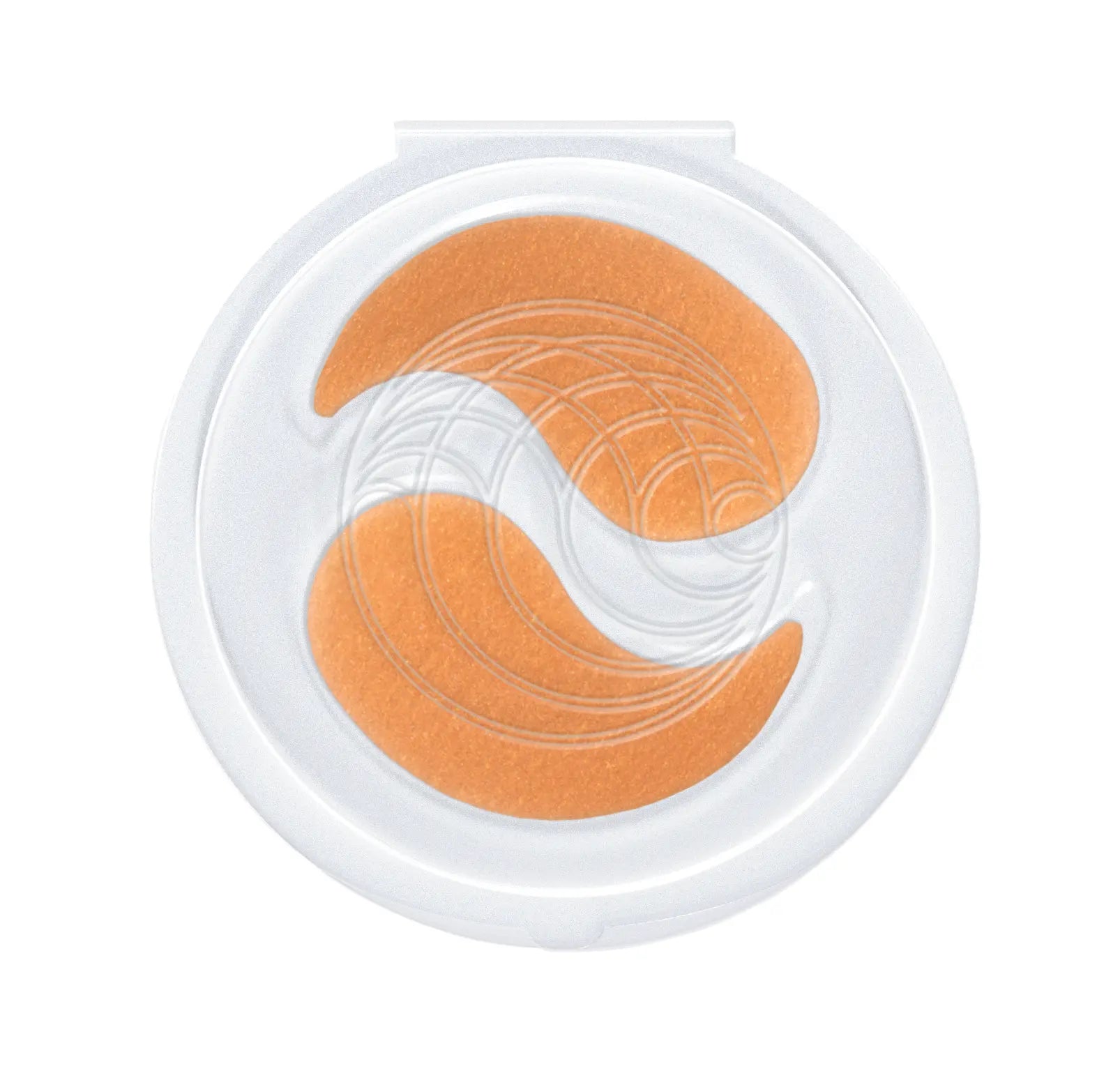
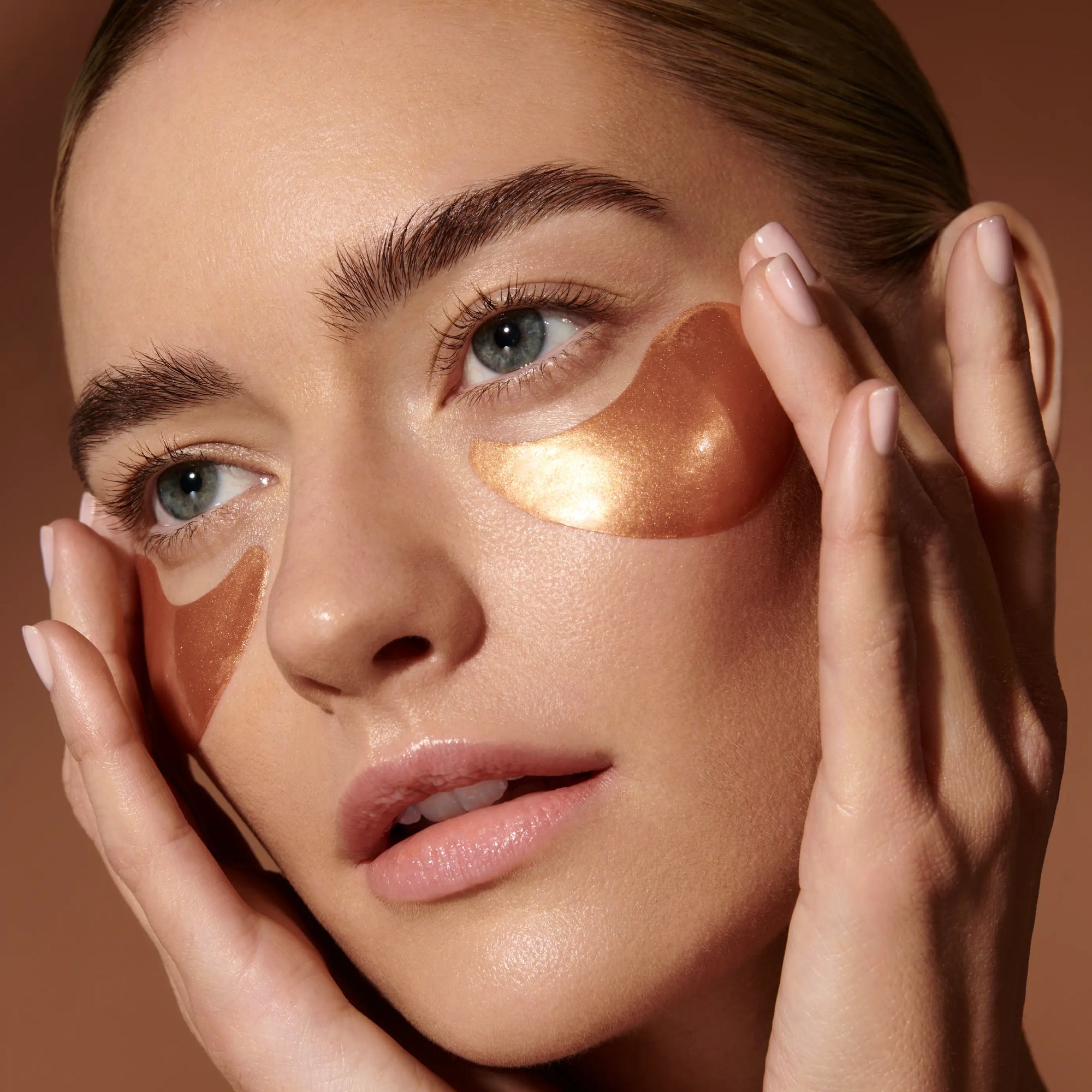
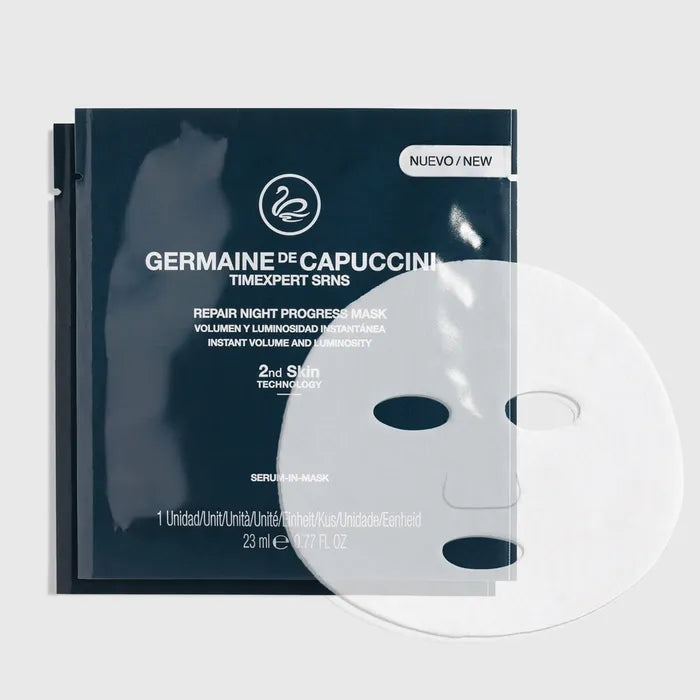
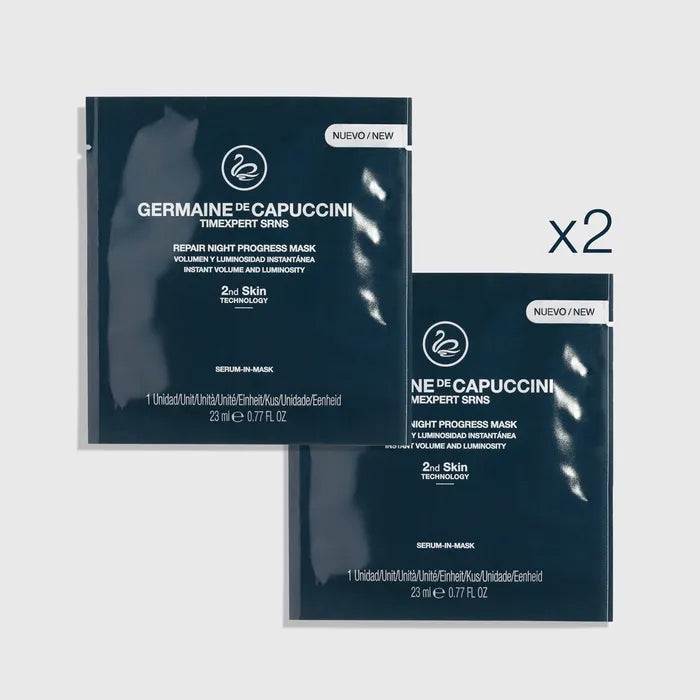
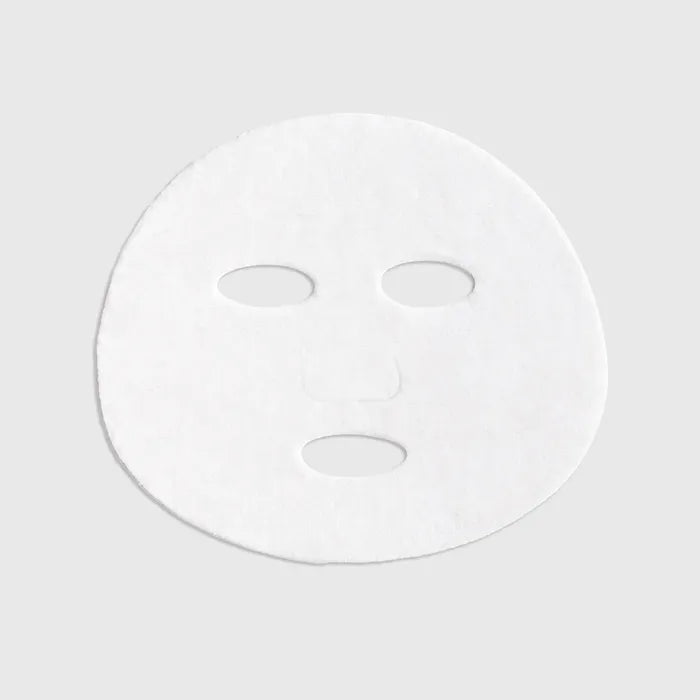
The sheet mask, also known as a sheet mask, is a thin sheet made of cellulose, cotton, plant fibre or hydrogel, soaked in a concentrated serum that adapts to the shape of the face. Unlike cream or clay masks, which are spread with the fingers, the sheet mask is placed directly on clean skin and acts like a kind of compress, helping the active ingredients penetrate better thanks to the occlusive effect of the fabric itself. It's a single-use format, very popular in Korean skincare routines, and is especially convenient because it doesn't require rinsing or leave any residue to remove. Its main advantage is the constancy of contact: as it stays stuck to the skin throughout the exposure time, it prevents the serum from evaporating or sliding off, which can happen when the same active ingredient is applied loosely with the fingers. This allows the skin to receive, in a short time, a much higher dose of active ingredients than with a conventional application, which explains why an almost immediate effect of freshness and radiance is usually noticeable after removing it.
How to choose a sheet mask according to your skin
Although the format is the same, the serum soaking the sheet varies depending on the need:
- Dehydrated skin or skin feeling tight: look for formulas with hyaluronic acid or glycerin in high concentration.
- Dull or lacklustre skin: benefits from serums with vitamin C or brightening extracts.
- Sensitive or reddened skin: it's best to prioritise sheets with soothing ingredients, such as centella asiatica or aloe vera.
- Skin showing signs of fatigue: tends to respond well to formulas with antioxidants and revitalising active ingredients.
The sheet material itself also makes a difference: hydrogel sheets tend to retain the serum better and adapt more closely to the contours of the face, while natural fibre sheets are lighter and more breathable.
What sets it apart from other mask formats
Compared to clay masks, which are geared towards purifying and absorbing sebum, or peel-off masks, designed to lift away impurities when removed, sheet masks have an almost exclusively hydrating and revitalising focus. They never dry out the skin, making them suitable even for very sensitive or dehydrated skin, and their main advantage is convenience: you apply, leave it to work, and there's no need to rinse afterwards, making it a practical option to add to your routine occasionally, even in express routines.
How to correctly apply a sheet mask
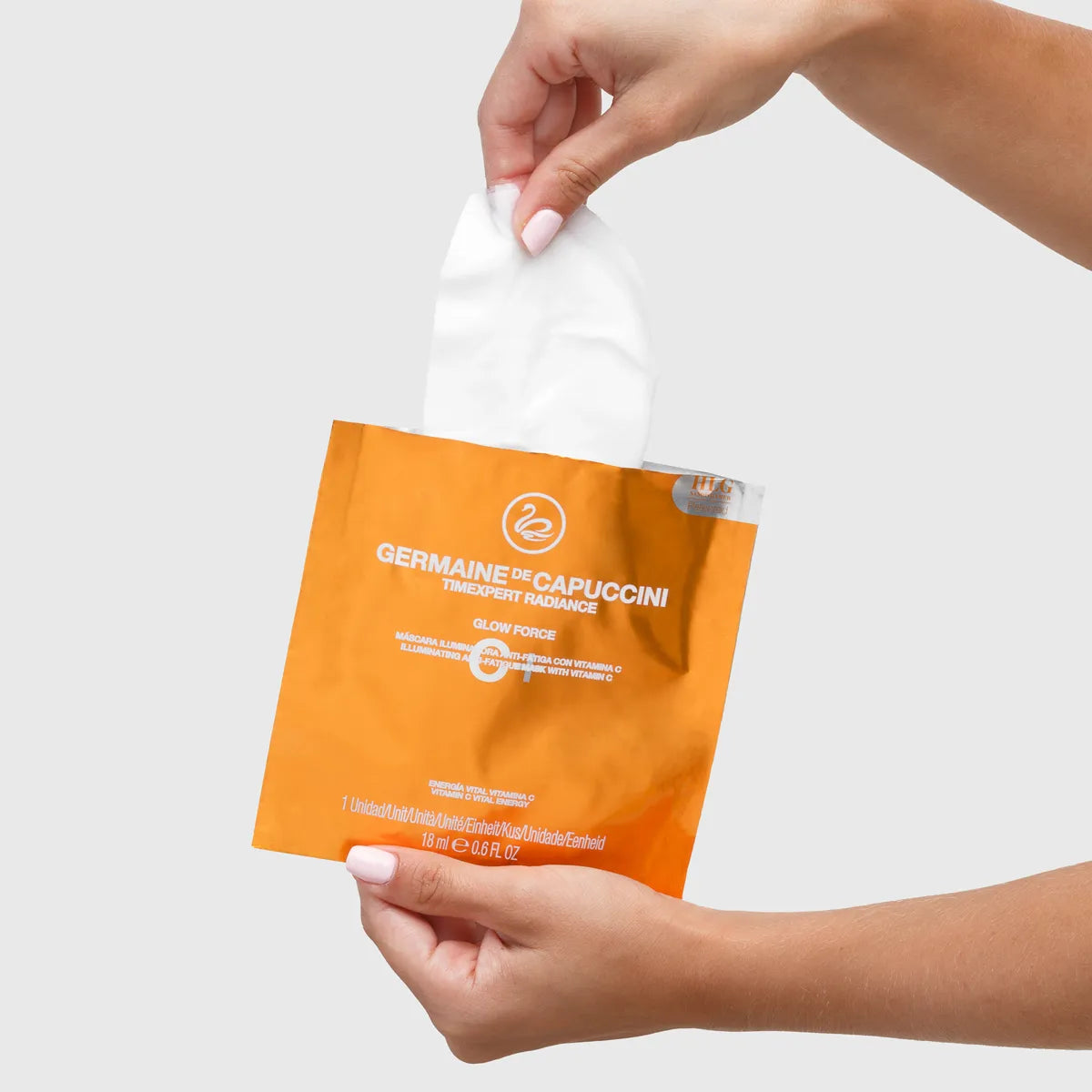
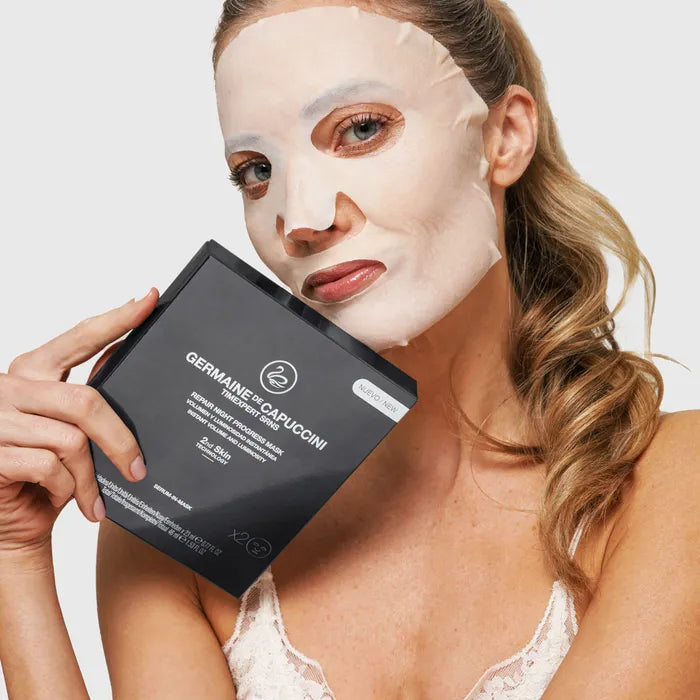
Always apply to clean, dry skin, unfolding the sheet and fitting it well to the contours of the face, especially around the nose and cheekbones, so the serum makes direct contact with the skin. Leave it on for fifteen to twenty minutes, without letting it dry out completely on the face. When removing it, don't rinse with water: gently massage the remaining serum on the skin until absorbed, and it's recommended to follow with your usual moisturiser to seal in the effect.
Tips and common mistakes
One of the most common mistakes is leaving the sheet on for too long, even until it dries out completely, which can cause the opposite effect to the one intended: instead of providing hydration, the dry sheet starts to absorb moisture from the skin itself. Another common mistake is discarding the leftover serum in the pouch or on the sheet itself, when it can be used on the neck or décolletage. It's also best to avoid applying it on dirty skin or over makeup, as this reduces the penetration of the active ingredients. Used regularly, a sheet mask helps to visibly improve hydration and give the skin a fresher look. Keeping a few in the fridge is also a common trick: the added coolness of the sheet as you take it out enhances the feeling of instant relief, something much appreciated on hot days, after a long flight, or simply as a small self-care ritual before bed or to start a calm, unhurried weekend. In short, it's one of the easiest facial care steps to add to your routine, with barely any effort or extra time.