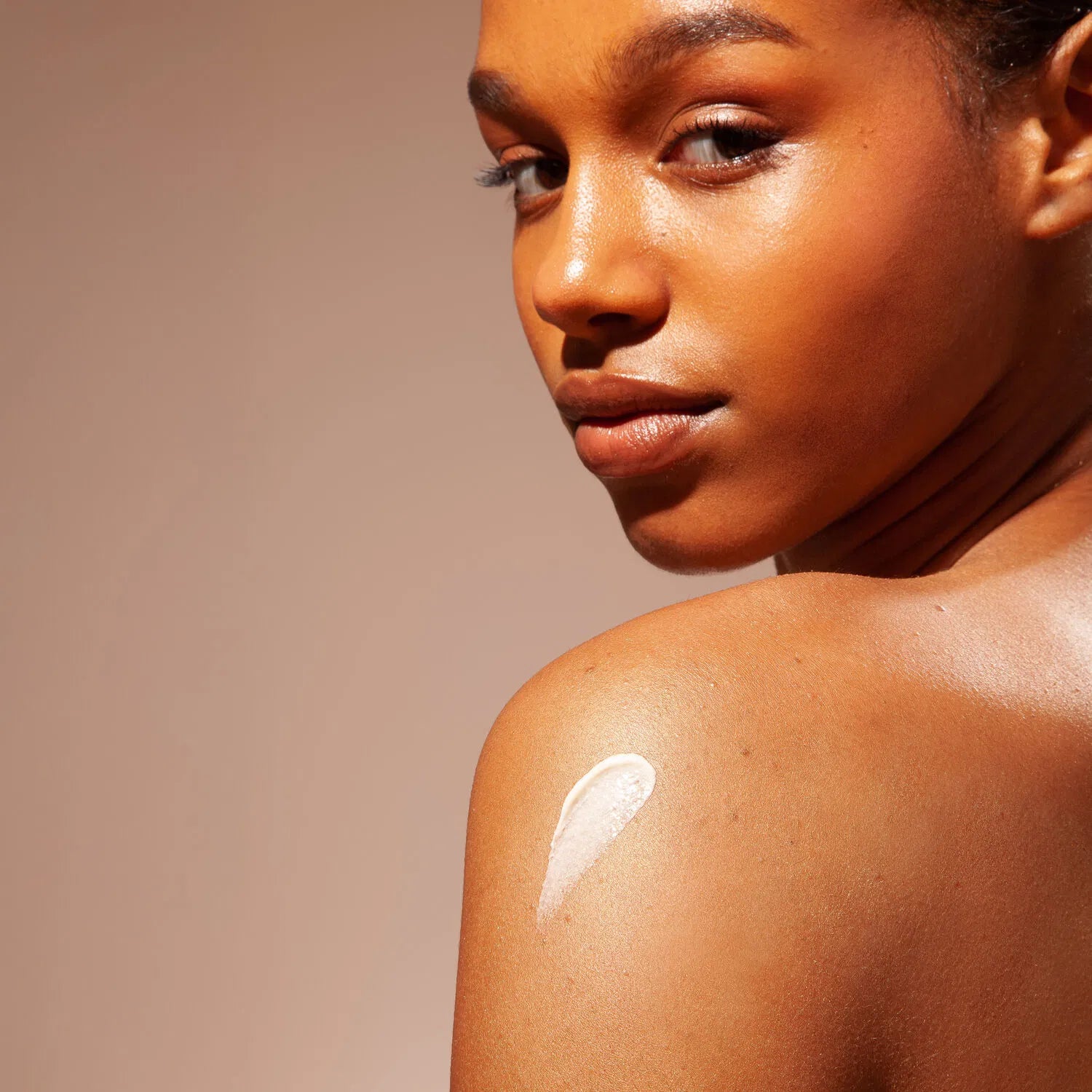
What body milk is and how it differs from other moisturisers
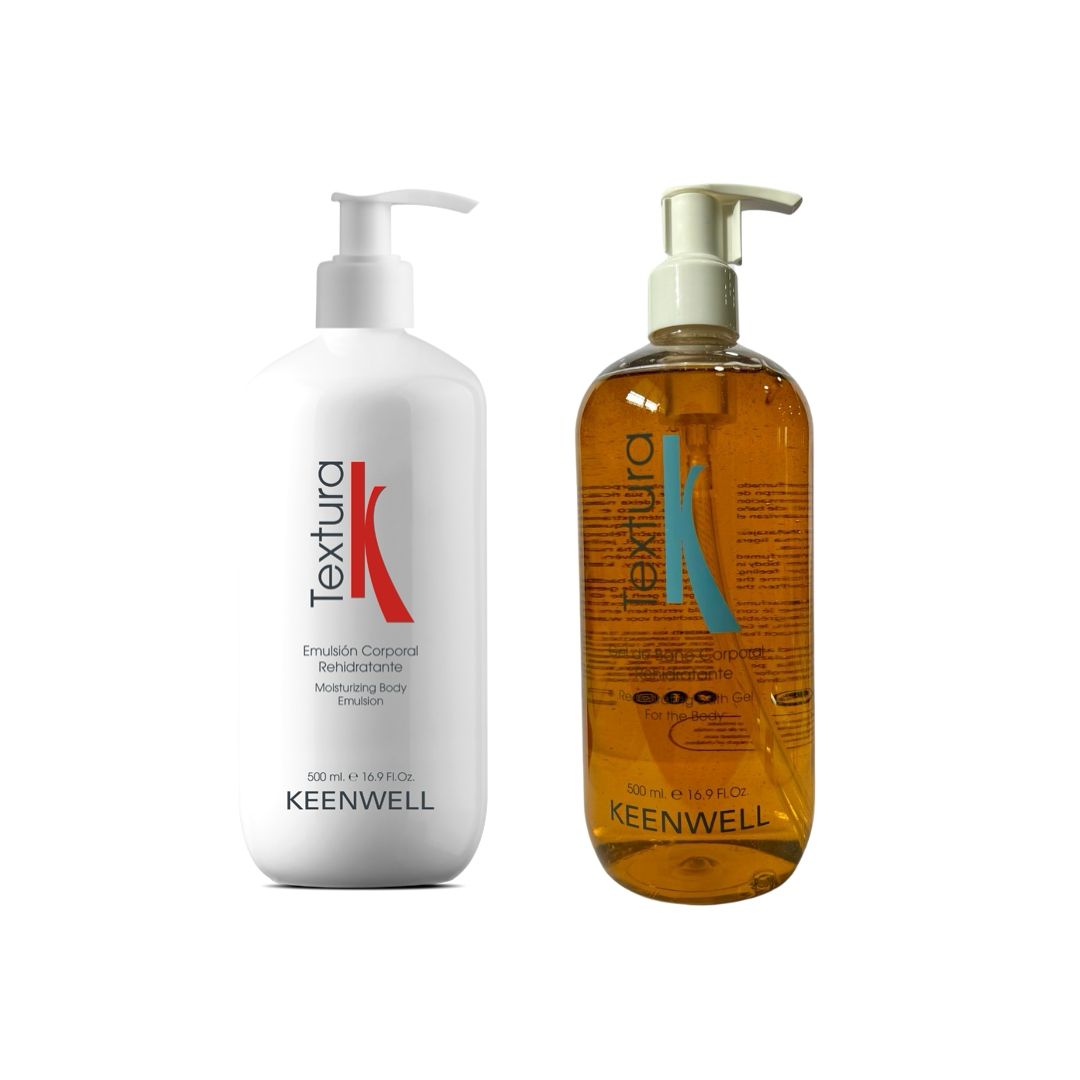
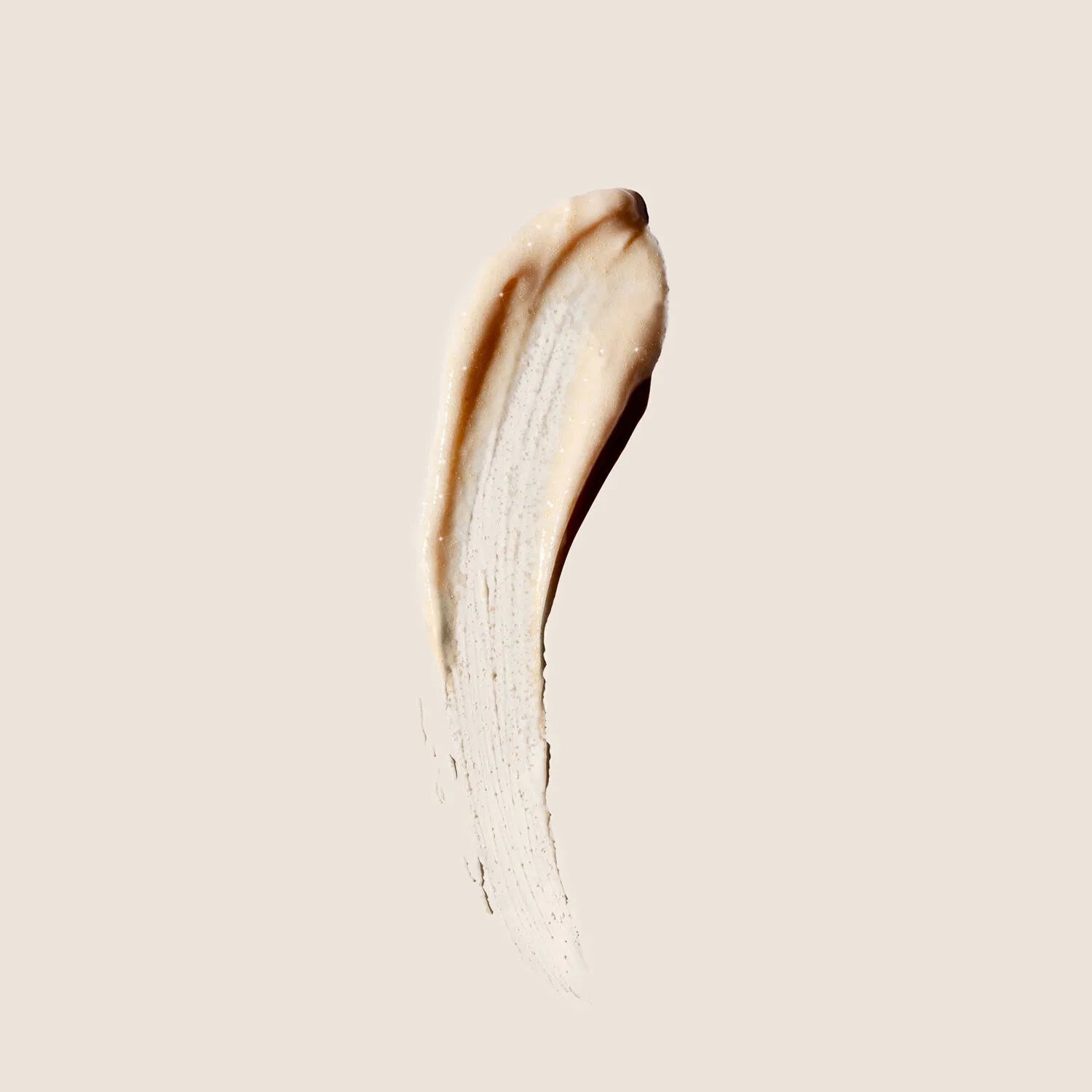
Body milk is a moisturiser with a fluid, light texture, with a higher proportion of water than a cream, allowing it to absorb quickly and leave skin soft without a heavy feel. It's an emulsion designed for daily use all over the body, ideal when you want comfortable hydration that doesn't interfere with getting dressed right after applying it, something especially appreciated by normal or combination skin and during the warmer months.
Body milk, cream and oil: what sets them apart
Although all three serve a similar function, their composition and feel on the skin are different.
Texture and absorption
Body milk is absorbed almost instantly thanks to its high water content, while cream, being denser, takes a bit longer and leaves a longer-lasting feel. Body oil, with no water in its formula, provides pure nourishment and is usually reserved for very dry skin or as the final step of the routine.
When to choose each one
Body milk works well as a daily moisturiser for normal or combination skin, especially in spring and summer. Cream is preferable for dry skin or during winter, and oil is reserved for very rough areas or skin that needs extra nourishment.
How to choose the right body milk
For normal skin, almost any lightweight formula works well. For slightly drier skin, it's worth looking for versions enriched with shea butter or vegetable oils that provide extra nourishment without losing the lightness characteristic of this format. For sensitive skin, it's best to opt for fragrance-free formulas with soothing ingredients like aloe vera, which reduce the risk of irritation. For oily or shine-prone skin, body milk tends to be one of the best options among all moisturising formats, as it provides the necessary water without adding extra oil to skin that already produces sebum naturally.
Common ingredients in body milk
Glycerin is one of the most common ingredients, as it acts as a humectant that draws water into the skin without adding weight to the formula. Aloe vera is also frequently found for its soothing effect, along with small amounts of vegetable oils or butters that provide some nourishment without compromising lightness. More complete formulas also include antioxidants such as vitamin E, which help protect the skin against everyday wear.
How to apply body milk
The best time to apply it is right after showering, while the skin is still damp, as this helps the product spread more easily and seal in some of that moisture. Simply spread a generous amount with broad movements over the whole body, since its light texture allows large areas to be covered quickly without needing to work it in too much in each spot.
Common mistakes when using body milk
One of the most frequent mistakes is applying too little, thinking that because it has a light texture it goes as far as a dense cream, when in reality it usually needs a bit more product to properly cover the whole body. Another common mistake is using it as the only moisturiser all year round, without adapting the routine in colder months, when the skin usually needs an extra boost of nourishment that body milk alone doesn't always provide.
When body milk falls short
If your skin still feels tight a few hours after application, it may be a sign that the formula is too light for your current needs, which is common in very dry skin or during winter. In these cases, it's a good idea to alternate body milk with a denser cream, or reserve it for the warmer months and areas of the body less prone to dryness, such as arms or legs. Another practical option is to apply body milk in the morning, so you can get dressed straight away without feeling damp, and save a more nourishing cream for the evening, combining the comfort of a light texture with the deeper hydration your skin needs at the end of the day.