Lip care: why lips need their own routine
Lip care covers all the products and steps aimed at keeping lips hydrated, protected and in good condition, from classic lip balm to lip protectors, exfoliators or masks specific to this area. The skin on the lips has no sebaceous glands and has a much thinner stratum corneum than the rest of the face, making it especially vulnerable to dryness, cold, wind or sun.
That's why lips need their own routine, different from that of the face: it's not enough to simply extend your facial cream to this area, since its texture and active ingredients don't always suit skin that is so thin and exposed.
What's more, lips are in constant motion throughout the day: talking, eating or drinking easily wears off the product applied, meaning it needs to be reapplied several times to maintain steady hydration. This particularity explains why lip care tends to rely on frequent, simple steps rather than a single concentrated step, unlike other areas of the face.
Types of lip care products
Lip balm
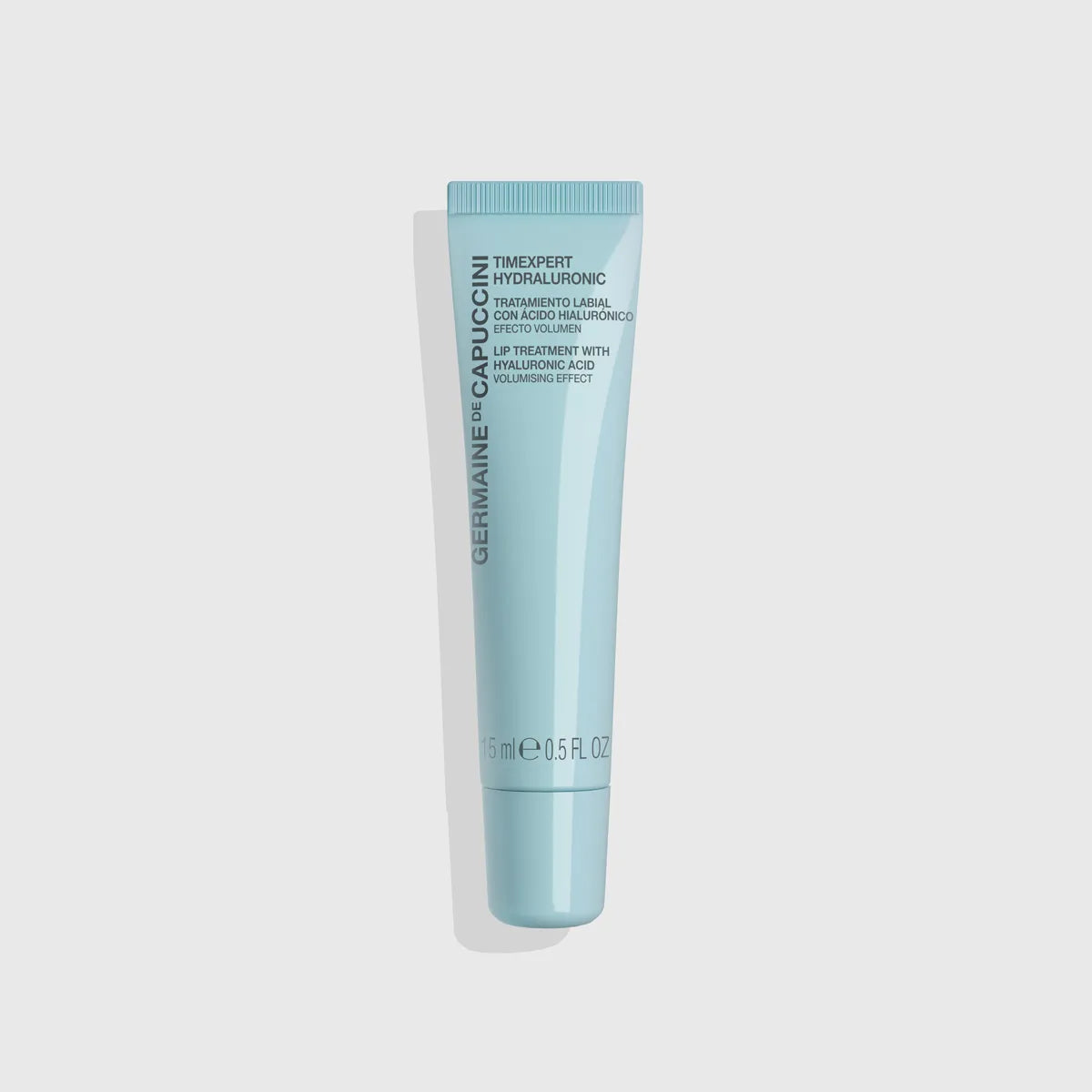
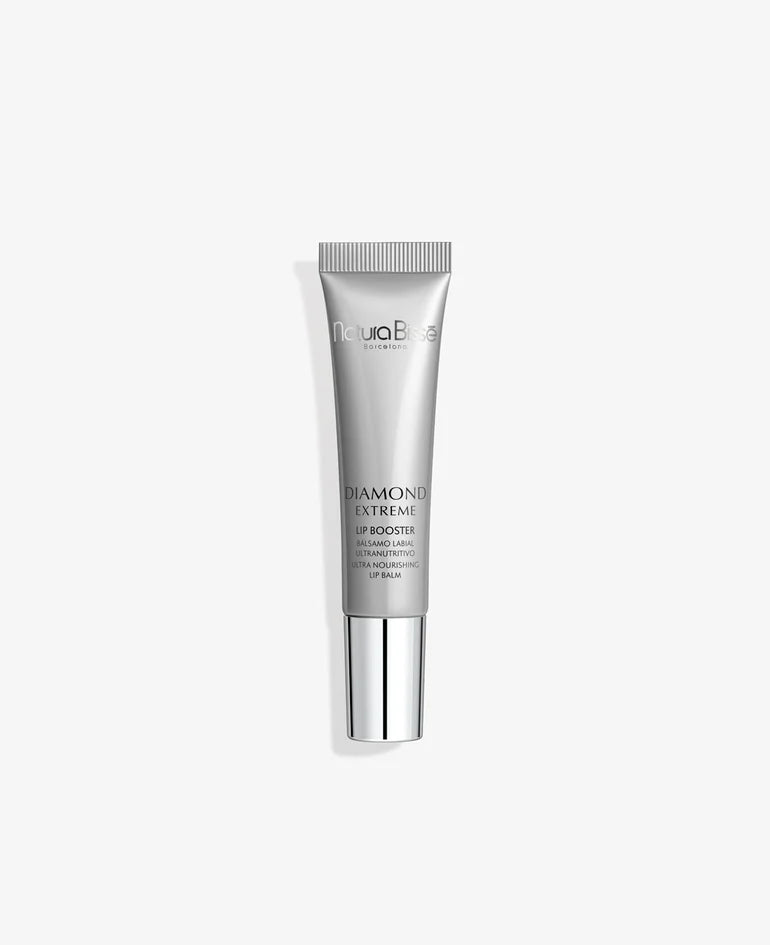
It's the foundation of any lip care routine. It combines occlusive ingredients, which seal in hydration, with emollients that provide softness. There are stick, pot or liquid applicator formats, and some include colour or a light shine.
Lip protector
Designed especially for demanding conditions: intense cold, wind, altitude or prolonged sun exposure. It usually includes sun protection and a denser texture that forms a long-lasting barrier on the lip.
Lip exfoliator and mask
These complement the routine to treat flaky or chapped skin on very dry lips. The exfoliator removes dead skin cells with a very fine grain, while the mask provides an extra dose of nourishment in just a few minutes. They're not everyday products, but occasional boosts that combine with your regular balm or protector for the rest of the week.
How to choose the right lip balm
The choice depends on the condition of your lips and how you plan to use the product throughout the day.
- Dry or chapped lips: rich balms with shea butter, beeswax or petroleum jelly, which form a protective film.
- Everyday use under makeup: lightweight textures that absorb quickly and leave a comfortable base for lipstick or lip gloss.
- Exposure to cold or sun: lip protectors with SPF and a texture that's more resistant to water or friction.
- Very damaged or flaky lips: combine a gentle occasional exfoliator with a more intensive repairing balm.
Ingredients to look for in lip care
Not all ingredients serve the same function, and combining them well makes all the difference in the final result.
- Occlusives: petroleum jelly, beeswax or squalane, which seal in hydration and prevent water loss.
- Emollients: shea butter, cocoa butter or jojoba oil, which provide softness and elasticity.
- Humectants: glycerin or hyaluronic acid, which draw moisture towards the lip skin.
It's best to avoid products with menthol, camphor, alcohol or intense fragrances on very sensitive or chapped lips, as they can create a momentary sensation of freshness that actually dries them out even more in the medium term. Reading the ingredient list before buying helps distinguish a balm designed to nourish from one that only provides a superficial, short-lived cosmetic effect.
How to apply lip care correctly
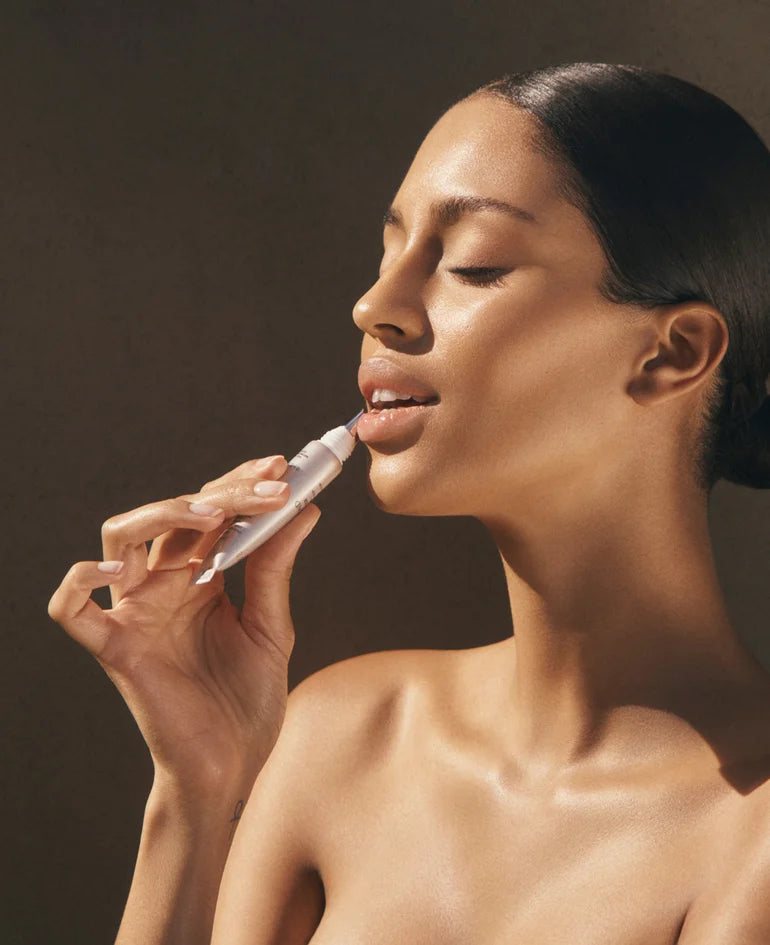
Applying lip balm or lip protector in thin, repeated layers throughout the day usually works better than a single thick layer, as it maintains hydration consistently. Before sleeping is a good time to apply a more generous layer, since lips spend several hours without the natural moisture of saliva or the protection of eating or drinking.
If using a lip exfoliator, it's best to reserve it for once or twice a week at most, always followed by a nourishing balm that seals in the effect and prevents the skin from drying out again quickly.
Always carrying a balm on hand, in your bag or pocket, makes it easy to maintain this habit effortlessly. Reapplying after meals or after brushing your teeth are two simple moments to avoid leaving lips unprotected for long stretches of the day, especially in cold or dry climates.