What is hand serum and how is it different from hand cream
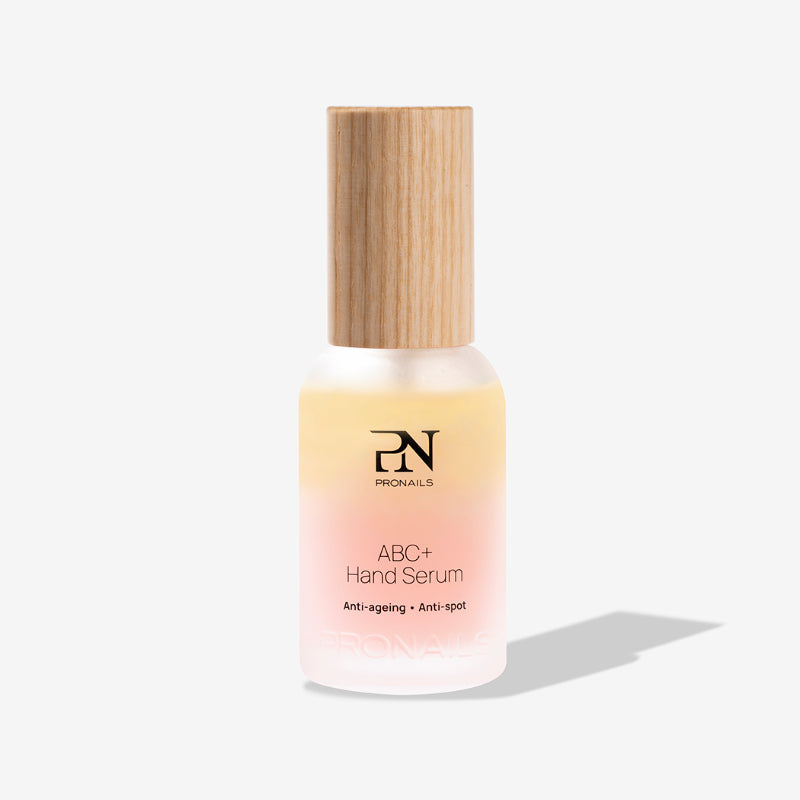
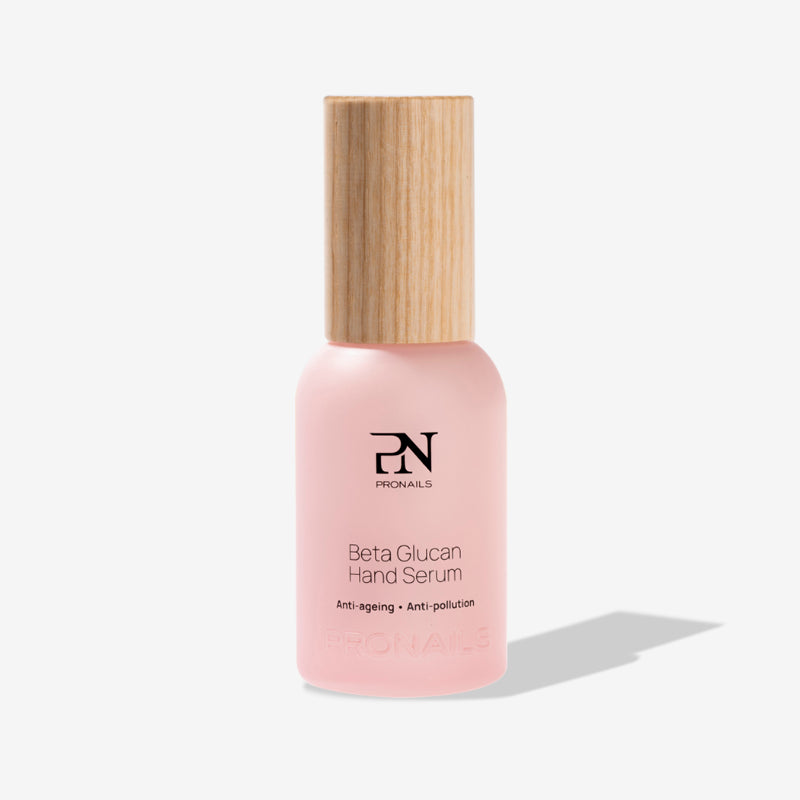
Hand serum is a lightweight, concentrated treatment designed to deliver specific active ingredients to an area that, along with the face and neckline, is among the first to show signs of dehydration and the passage of time. Unlike hand cream, which focuses on hydrating and protecting against the daily wear of water and soap, serum incorporates a higher concentration of active ingredients in a fluid texture designed to absorb quickly before applying your regular cream. It usually comes in bottles with a dropper or roll-on applicator, a format that makes it easy to measure the exact amount and avoids wasting a product that, thanks to its concentrated actives, doesn't need to be applied in large amounts to notice its effects.
What is hand serum for
The back of the hands has particularly thin skin, with little subcutaneous fat, making it more prone to showing dryness, loss of firmness or spots caused by sun exposure accumulated over the years. Hand serum is formulated precisely to address these needs, combining deep hydration with active ingredients that help visibly improve the texture, radiance and feeling of firmness in this area. Since the back of the hands receives almost constant sun exposure during everyday activities like driving or walking, it tends to accumulate more damage than people realise, which justifies dedicating a specific treatment to it rather than settling for leftover product from other routines.
Common ingredients in a hand serum
Hyaluronic acid is one of the most common active ingredients, thanks to its ability to retain water and provide an immediate plumping effect on the skin. Niacinamide helps improve the appearance of texture and even out tone, while antioxidants such as vitamin C or vitamin E help protect the skin against accumulated environmental damage. Some formulas also include peptides, designed to visibly improve firmness in an area that tends to lose it over the years. Soothing plant extracts, such as aloe vera or centella asiatica, are also common in these formulas, especially in versions designed for more sensitive skin or skin that reacts to continuous contact with water and cleansing products.
How to use hand serum
It's applied to clean, dry hands before your regular cream, spreading a few drops with a light massage that also reaches the fingers and cuticles until fully absorbed. Since it has a more fluid texture, it absorbs quickly and gives way immediately to the cream, which seals in that hydration and provides daily protection against water and the constant friction this area is exposed to.
When to add a hand serum to your routine
It's a particularly recommended product when your regular hand cream is no longer enough to see an improvement in the skin's appearance, or when you're looking to more specifically address the firmness and radiance of this area, beyond basic hydration. It's also a good option for those who already follow a facial serum routine and want to apply the same level of care to hands that receive similar exposure to sun and environmental factors.
Hand serum versus other treatments for this area
Unlike an oil or a very nourishing cream, hand serum isn't meant to provide a dense, occlusive layer, but rather to deliver concentrated active ingredients in a texture that absorbs quickly. That's why both products complement each other well: the serum provides the specific treatment, while the cream or oil seal in that hydration and protect the skin for the rest of the day. Using them together, in the right order, usually gives better results than relying on just one of the two products alone. Introducing hand serum gradually, starting with one daily application before increasing the frequency, also lets you see how your skin responds to the active ingredients before fully adding it to your regular routine.