What drinkable collagen is
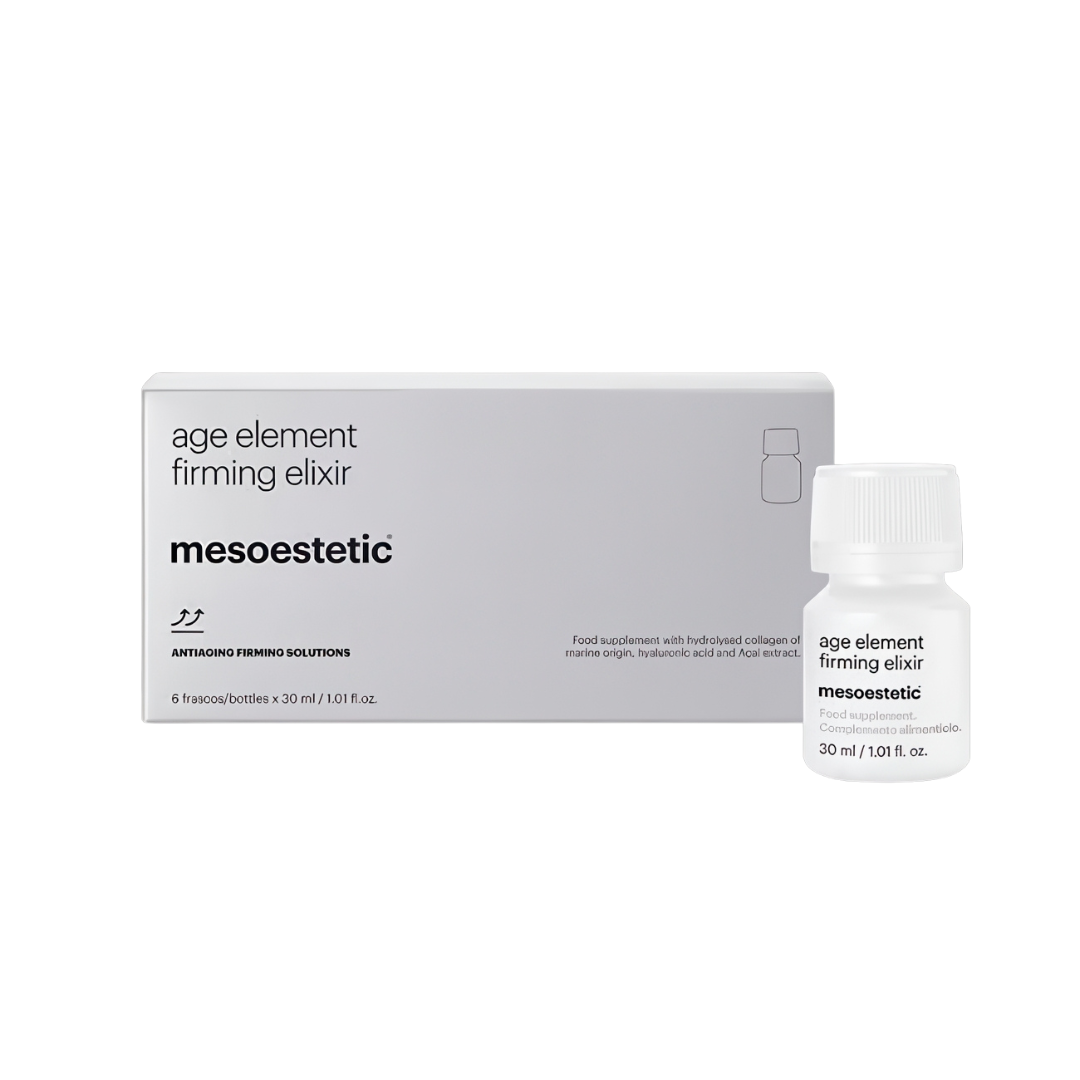
Drinkable collagen is a food supplement that provides collagen in liquid, powder or ampoule form, intended to be taken orally. Collagen is a protein naturally present in the skin, tendons and joints, whose production by the body decreases over the years. Taking drinkable collagen is intended as a support within a varied and balanced diet, aimed at complementing the appearance of the skin and its elasticity, never as a substitute for a proper diet or a complete care routine.
How to choose drinkable collagen according to your goal
Not all drinkable collagen is the same: there are different types depending on their origin and degree of processing, and each one is associated with a different common use.
- Hydrolysed collagen: broken down into small peptides to make it easier to absorb, it's the most common type in drinkable format.
- Marine collagen: comes from fish skin or scales, with a reduced molecular weight.
- Bovine or porcine collagen: from land animal sources, also hydrolysed in most formulas.
- Combined formulas: collagen together with vitamin C, hyaluronic acid or biotin in the same product.
The choice usually depends on personal preferences, possible food allergies and the other ingredients that accompany collagen in the formula.
Formats: powder, liquid and ampoules
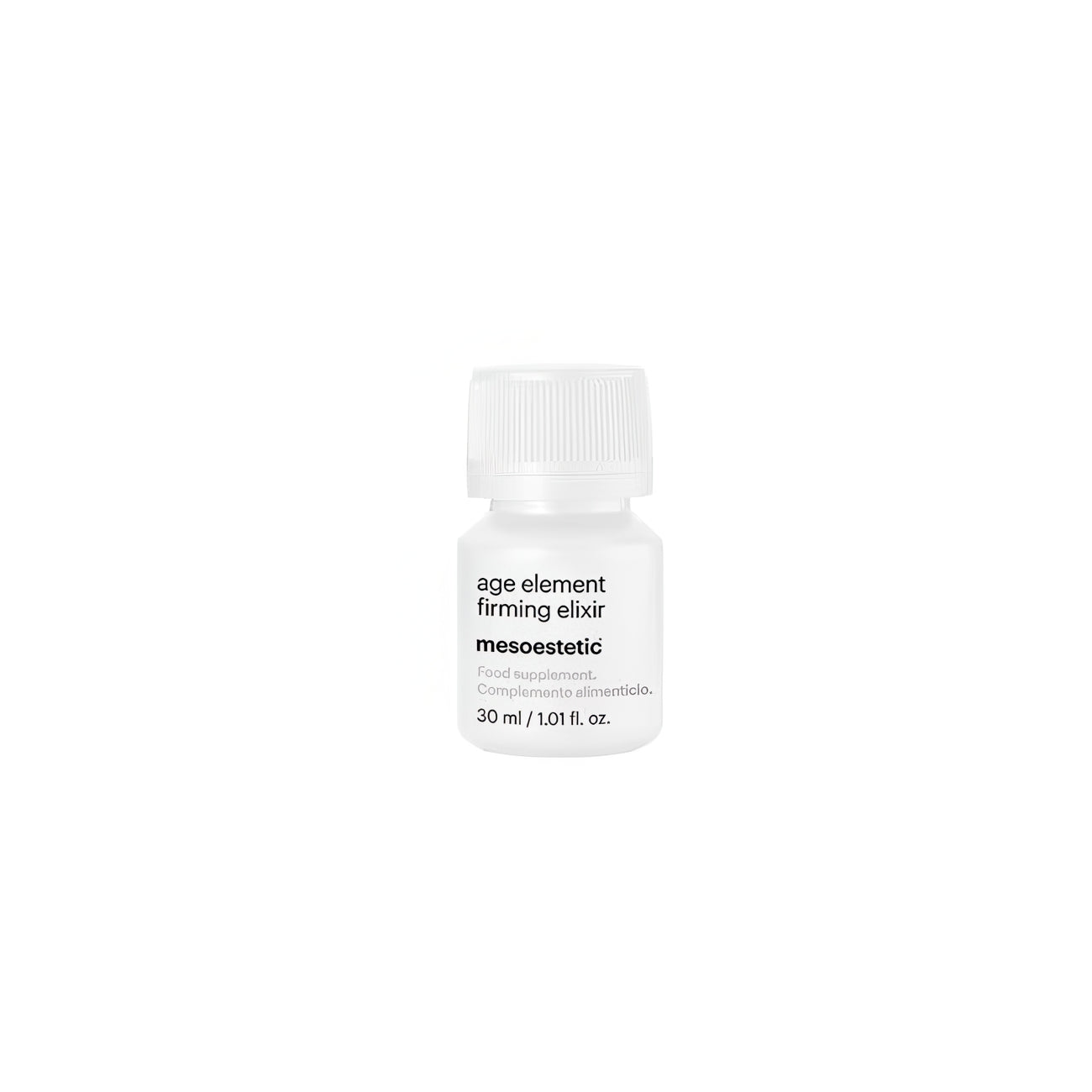
Powdered collagen is dissolved in water or other drinks and allows you to easily adjust the amount, although it requires an extra preparation step. Drinkable collagen, already dissolved, in a bottle or sachet, is taken directly and usually includes flavourings to make it more pleasant. Ampoules concentrate the dose in a small volume, designed to be taken in one go. No format is inherently better than another: the key lies in the dose of hydrolysed collagen provided by each product and in the consistency with which it is taken day after day.
What to look for on the label before buying
It's worth paying attention to the amount of hydrolysed collagen per daily dose, as this is the detail that makes the real difference between products that may look similar at first glance. It's also useful to check whether the product includes other active ingredients such as vitamin C, which plays a role in the body's natural processes, or hyaluronic acid. Checking the added sugar content and storage conditions completes the analysis before deciding on one product or another.
How to take drinkable collagen
Drinkable collagen is usually taken once a day, following the dose indicated on the packaging and keeping up the habit for several consecutive weeks, since results on the skin's appearance are not immediate. It can be taken at whatever time of day best fits your personal routine, with or without food depending on the manufacturer's instructions. Pregnant or breastfeeding women, or people taking regular medication, should consult a healthcare professional before starting to take it.
Common mistakes when taking drinkable collagen
A common mistake is choosing the product based only on flavour or packaging, without checking the actual dose of hydrolysed collagen it contains. Another is giving up after a few weeks out of impatience, when the effect on skin elasticity is usually noticeable gradually and after several weeks of consistent use. It's also worth remembering that drinkable collagen complements your facial care routine and a varied diet, but does not replace them.
Drinkable collagen and natural skin renewal
The body's own collagen production follows a natural rhythm that slows down over the years, a process also influenced by accumulated sun exposure, smoking and stress. That's why drinkable collagen is usually considered a support within a broader care routine, which includes daily sun protection, facial cosmetics suited to skin type, and orderly lifestyle habits such as rest and sufficient hydration with water throughout the day.
Storing drinkable collagen in a dry place away from direct heat helps maintain its composition throughout the consumption period, especially in liquid and ampoule formats, which are more sensitive to light than powder tubs. Checking the expiry date when opening a new package and following the manufacturer's storage instructions are simple steps that make a difference in the long run.