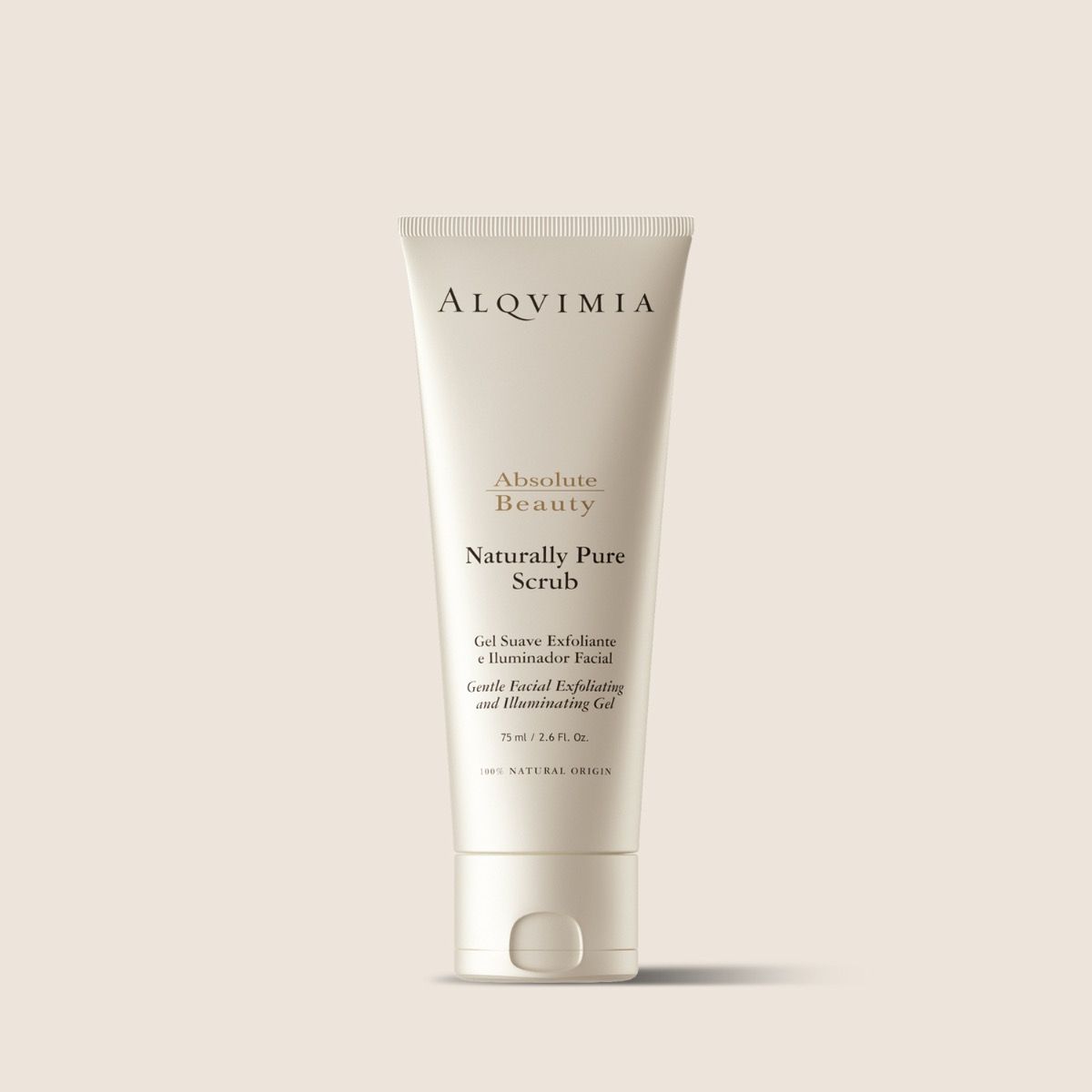
What is a facial exfoliator and what is it for
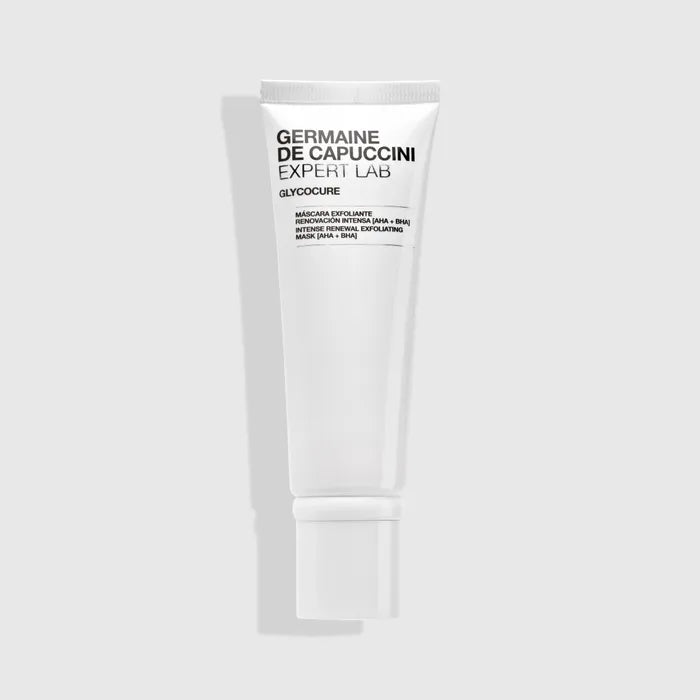
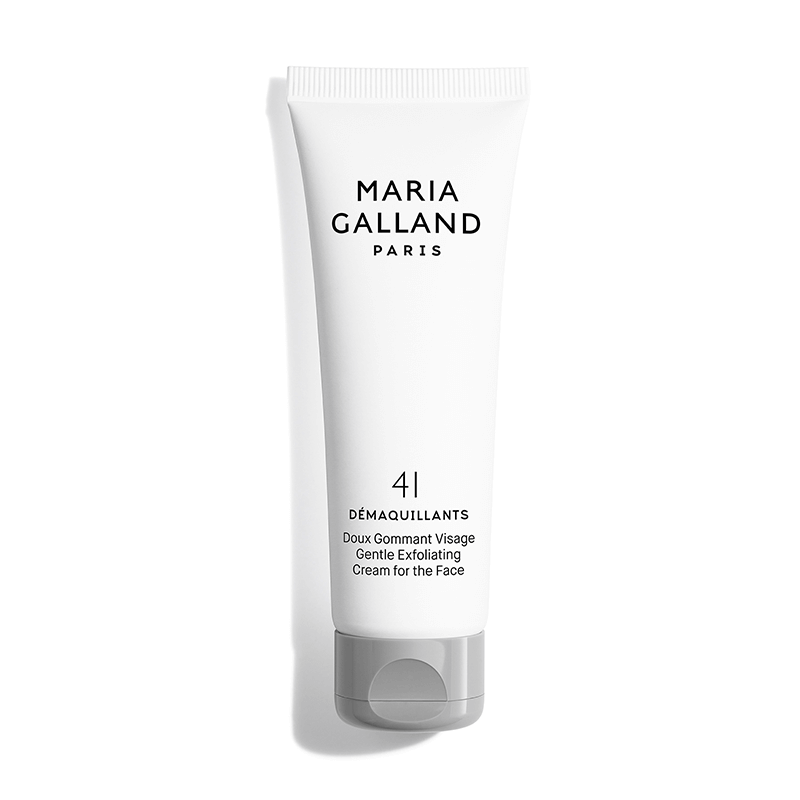
A facial exfoliator is a product designed to remove dead cells that have built up on the surface of the skin, encouraging its natural renewal. As the days go by, these cells accumulate and give the skin a dull appearance, with an uneven texture and a reduced ability to absorb the rest of the products in your routine. A facial exfoliator helps correct this in a simple and periodic way.
Besides improving radiance, a good facial exfoliator helps unclog pores, smooth texture and prepare the skin so that serums and creams work more effectively. It's not a daily step, but rather an occasional addition to your facial care routine, designed to reinforce the effect of regular cleansing without replacing it.
Cell renewal slows down over the years, which means dead cells take longer to shed on their own. That's why facial exfoliators tend to become more important in routines aimed at keeping an even, radiant look as skin ages, always as a complement and never as a substitute for daily hydration.
Types of facial exfoliator
There are three main families of facial exfoliator, each with a different mechanism of action.
Mechanical or physical exfoliator
Contains fine particles, natural grains or microspheres that remove dead cells through friction during massage. It's the most intuitive format, although it's best to choose fine-grain textures to avoid causing micro-tears in the skin.
Chemical exfoliator
Uses acids such as glycolic, lactic or salicylic acid to dissolve the bond between cells without the need to rub. It tends to deliver more even results and is common for oily skin, enlarged pores or blemish marks.
Enzymatic exfoliator
Uses plant-derived enzymes, such as those from papaya or pineapple, for gentle exfoliation that respects the skin barrier. It's the most suitable option for sensitive or reactive skin that doesn't tolerate acids or grains well.
How to choose your facial exfoliator according to your skin type
Skin type is the most important criterion when choosing a facial exfoliator, ahead of the texture or format that may appeal to you in the moment.
- Oily or blemish-prone skin: chemical exfoliators with salicylic acid help keep pores clearer.
- Dry skin: it's better to opt for creamy, very hydrating formulas, with fine grain or an enzymatic base.
- Sensitive skin: enzymatic exfoliators or mild lactic acid tend to be better tolerated.
- Combination skin: you can combine zones, applying the exfoliant more frequently in the central area of the face.
It's also worth paying attention to the size of the grains when choosing a mechanical exfoliant: the finer and rounder they are, the lower the risk of damaging the skin when applying it. Irregular or very large grains can cause small micro-tears invisible to the naked eye, especially on thin skin or skin with reactive capillaries, so in those cases it's usually preferable to opt directly for a chemical or enzymatic formula.
How to apply a facial exfoliant step by step
- Cleanse the face before exfoliating, with damp skin but no traces of makeup.
- Apply the exfoliant with gentle circular movements, without pressing too hard.
- Avoid the eye contour area, which is much thinner and more delicate.
- Rinse with lukewarm water and dry with gentle pats, without rubbing with the towel.
- Always finish with a moisturising product to replenish the skin barrier.
The time of day also influences the result. Many people prefer to exfoliate at night, as part of the cleansing routine before bed, since this way the skin has the whole night to regenerate without direct sun exposure while the effect of the exfoliant is still more noticeable.
Common mistakes when using facial exfoliant
The most common mistake is exfoliating too often, which weakens the skin barrier and can cause dryness, tightness or redness instead of improving the skin's appearance. As a general rule, twice a week is usually enough for most skin types, reducing the frequency for sensitive skin.
Another common mistake is combining several exfoliants or acids on the same day, which overloads the skin unnecessarily. It's also best to avoid exfoliating on irritated skin, skin with wounds, or skin recently exposed to the sun, and not to forget sun protection during the day, since skin is more sensitive after exfoliation. With consistent, well-planned use, facial exfoliant helps maintain skin with better texture and a more even appearance over time.