What body hydration is and why it's so important
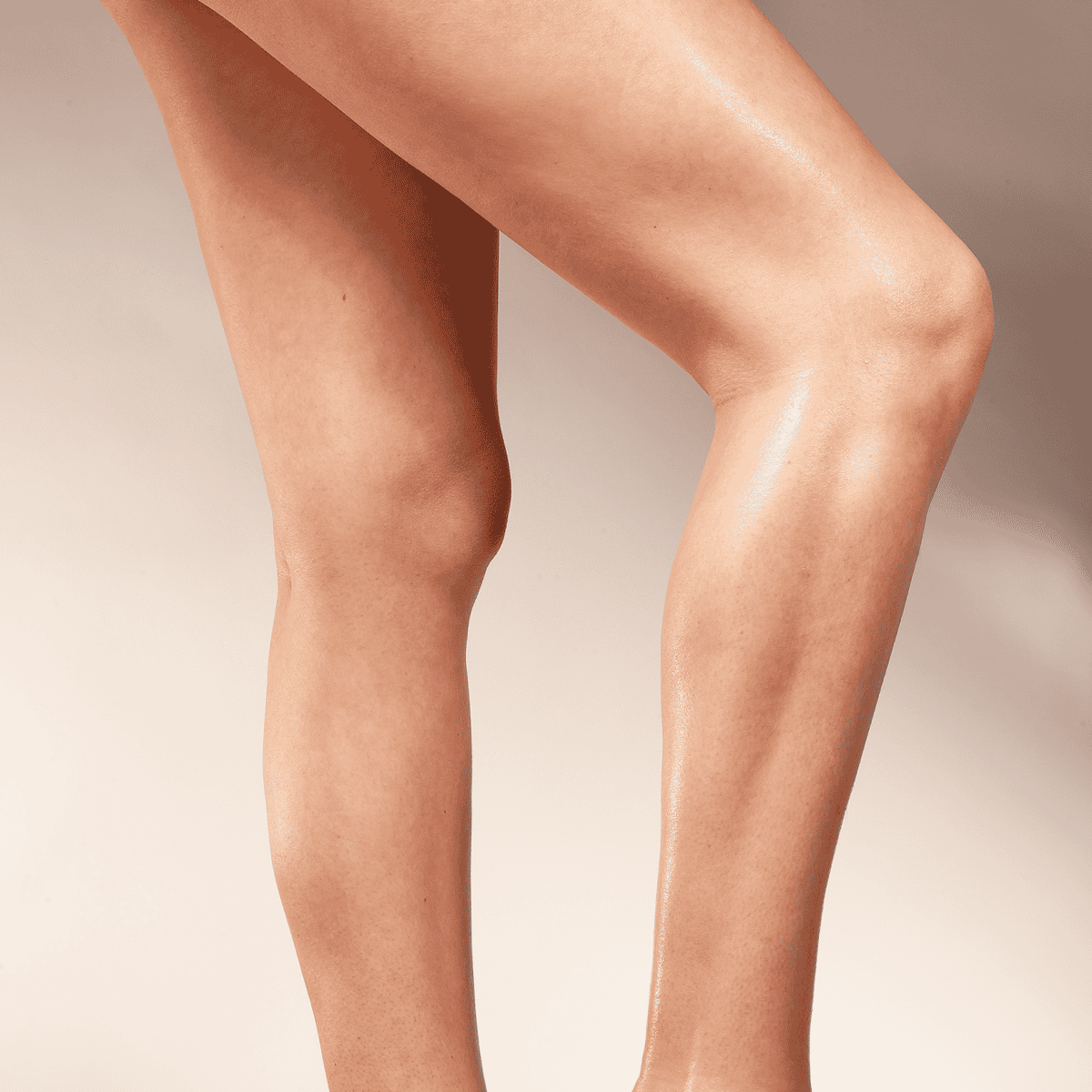
Body hydration is the set of habits and products that give the skin back the water and lipids it loses daily from clothing friction, hot shower water, the sun, or simply the passing of time. Unlike the face, the skin on the body has fewer sebaceous glands in areas like the arms and legs, so it tends to dry out faster and needs an extra boost of water and fat to stay flexible, radiant and comfortable to the touch.
How to achieve good body hydration according to your skin type
Not all skin needs the same thing. Before choosing a product, it's worth thinking about how your skin reacts throughout the day.
Dry or very dry skin
Look for textures rich in shea butter, vegetable oils or ceramides, which form a protective layer and prevent water from escaping. The tighter your skin feels after showering, the richer the formula should be, and it's worth reinforcing application on arms, legs and abdomen, where dryness tends to show up first.
Normal or combination skin
Fluid textures, such as milks or lotions, provide the necessary water without leaving a heavy feel and absorb quickly, ideal for applying before getting dressed or during the warmer months, when richer formulas can feel excessive.
Sensitive skin
Prioritise formulas with no added fragrance and soothing ingredients like aloe vera or oat, which reduce the chances of itching or redness after application. In these cases, it's worth testing the product on a small area of skin first before applying it all over the body.
The weather also plays a role: skin doesn't need the same thing in the depths of winter, when heating dries out the air, as it does in summer, after sun exposure or pool chlorine. Adapting the texture of your moisturiser to these circumstances helps avoid both tightness and excess shine.
Formats covered by body hydration
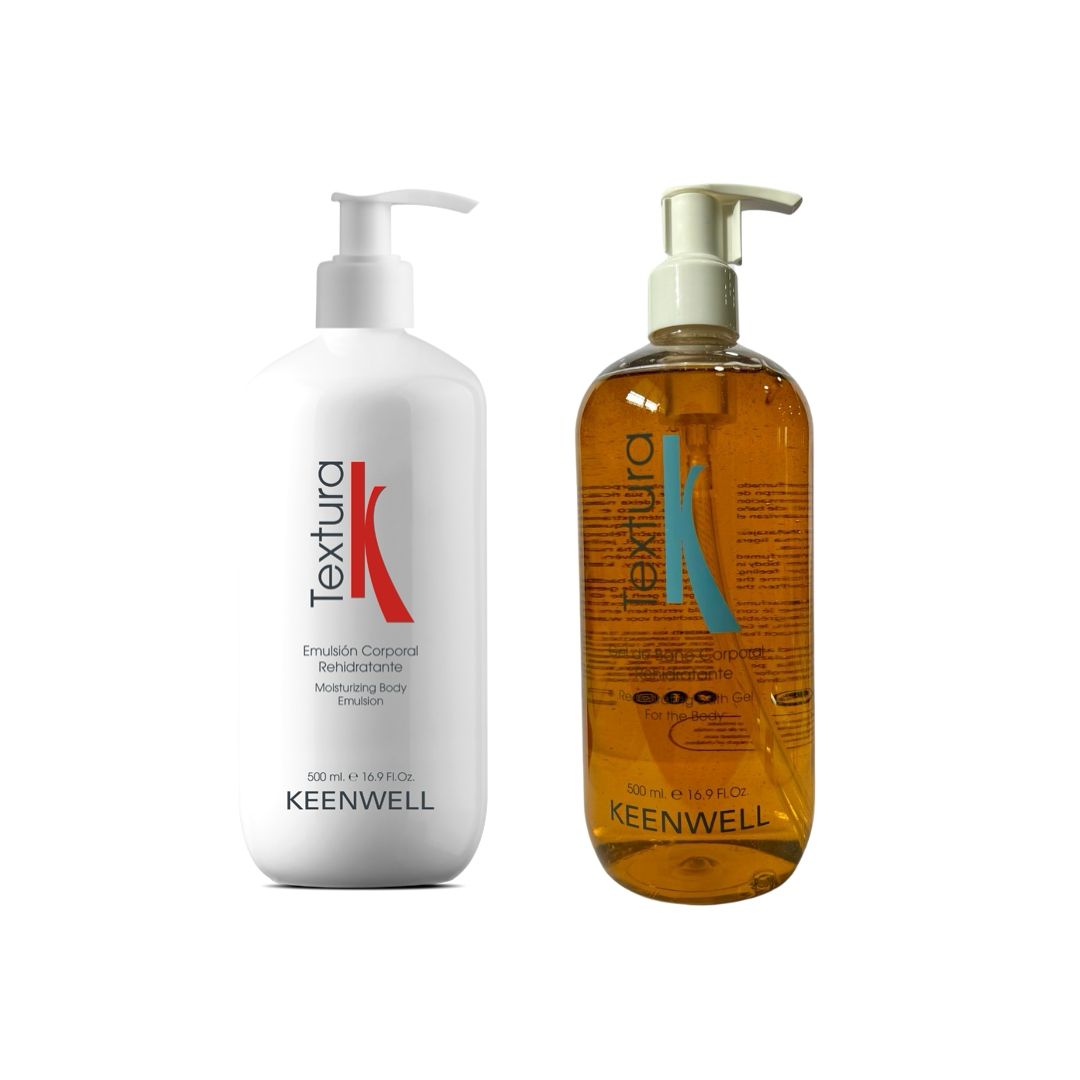
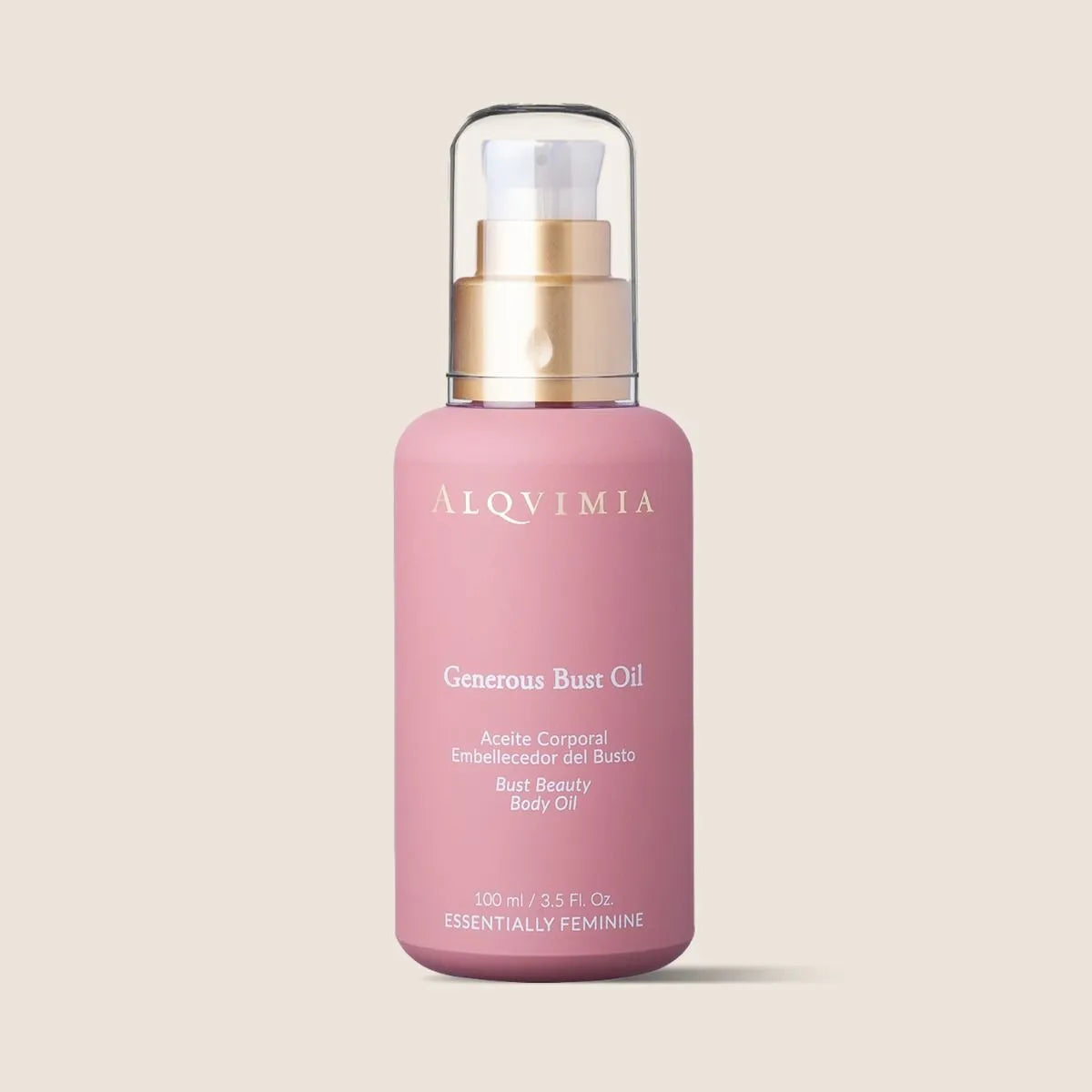
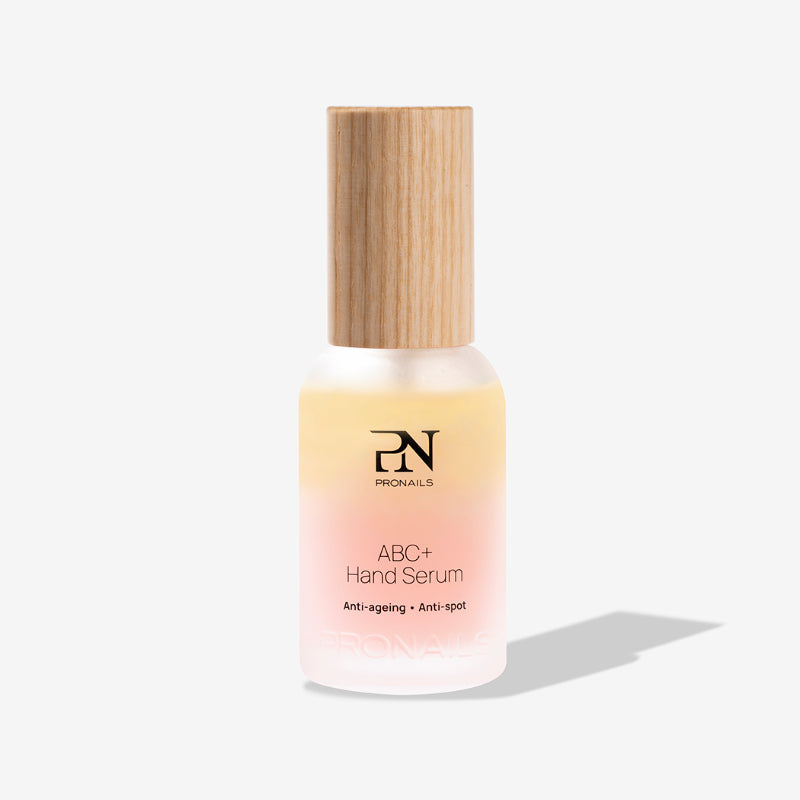
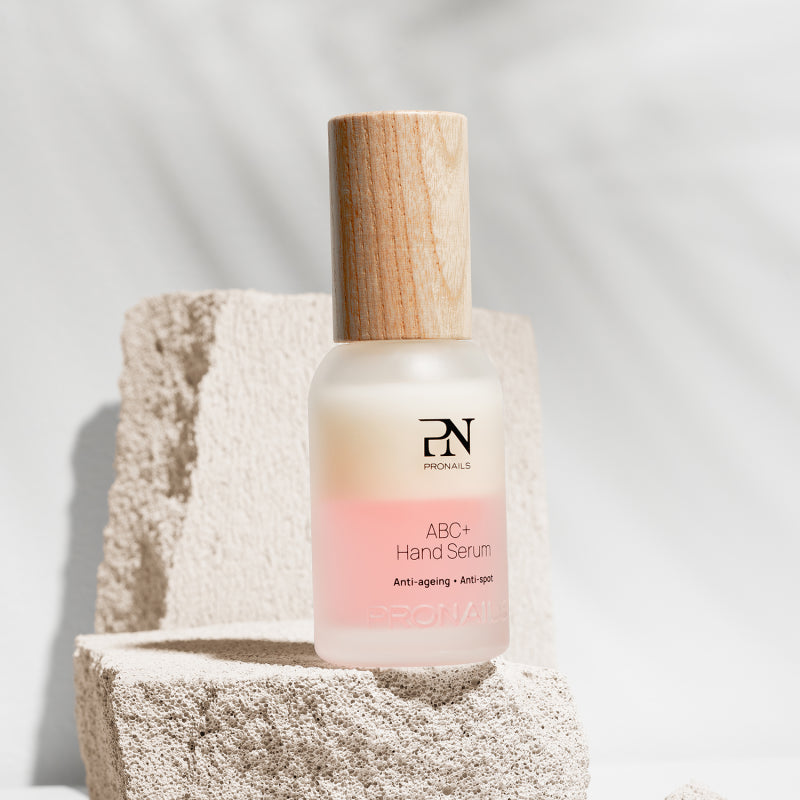
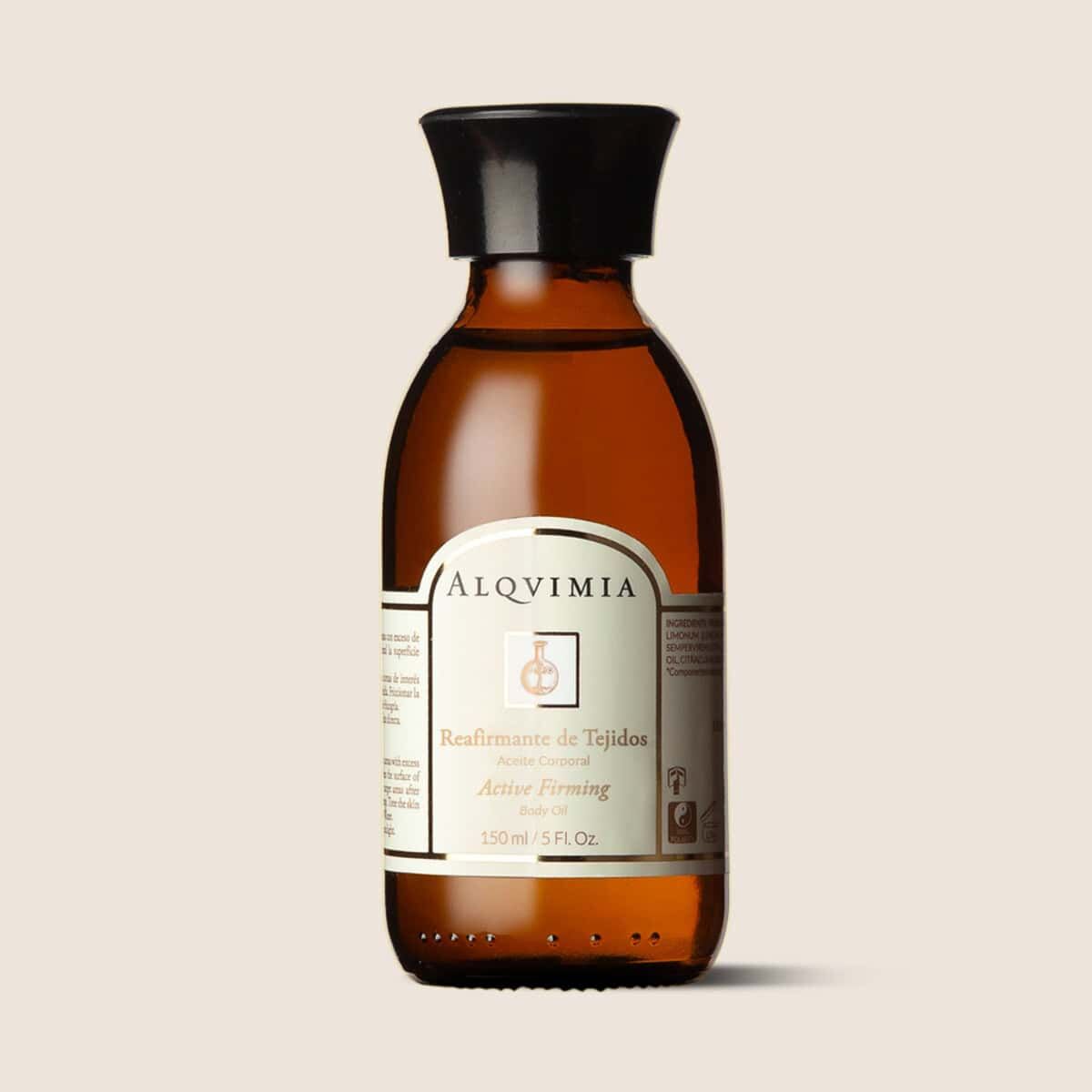
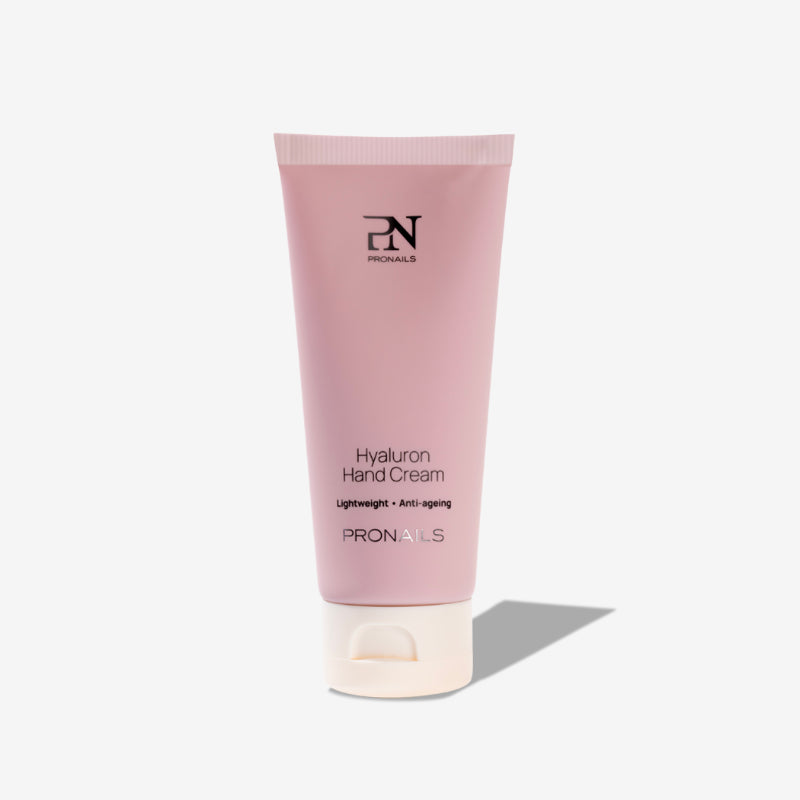
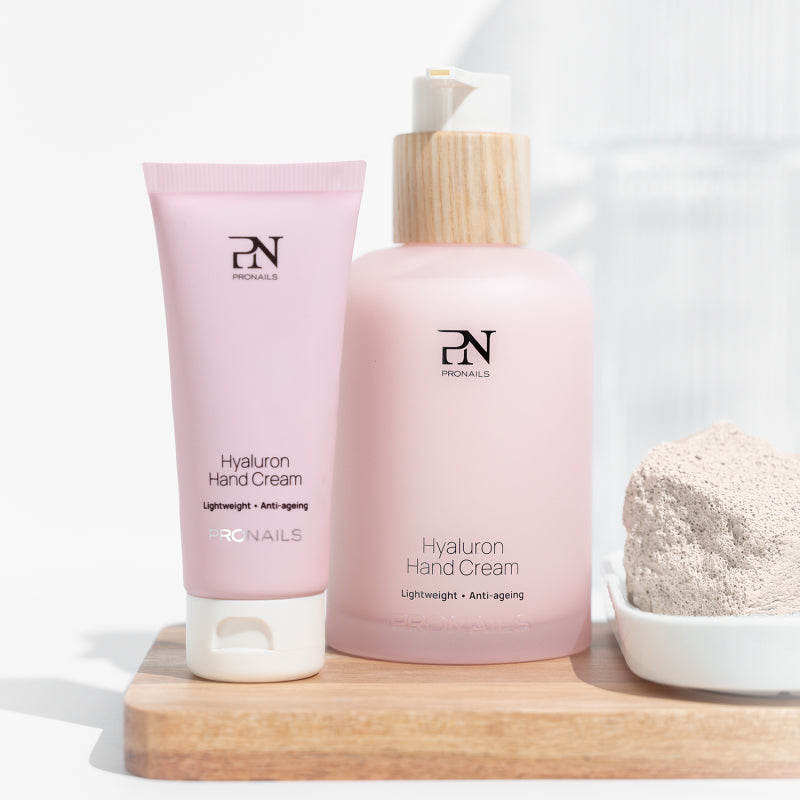
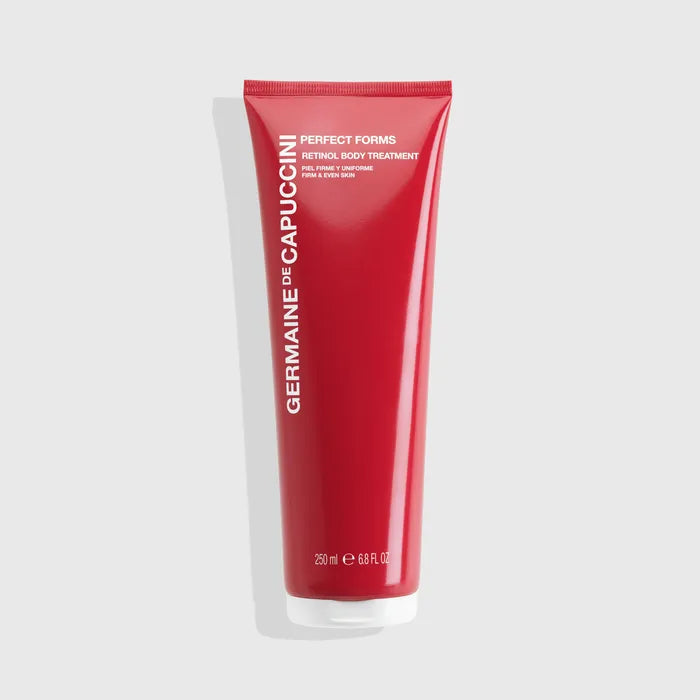
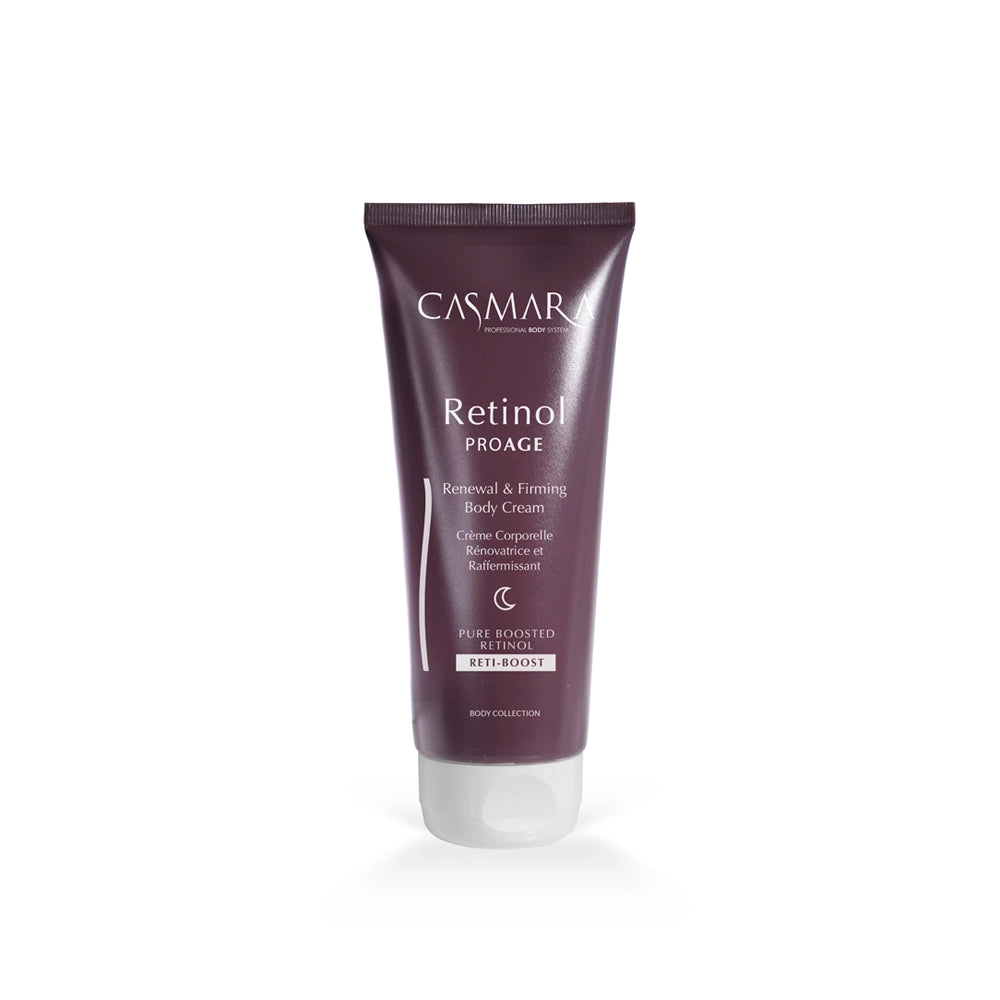
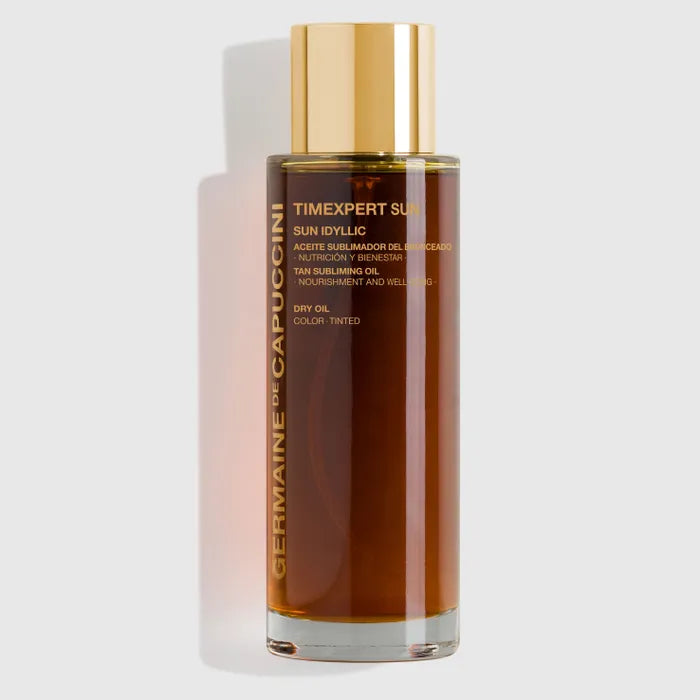
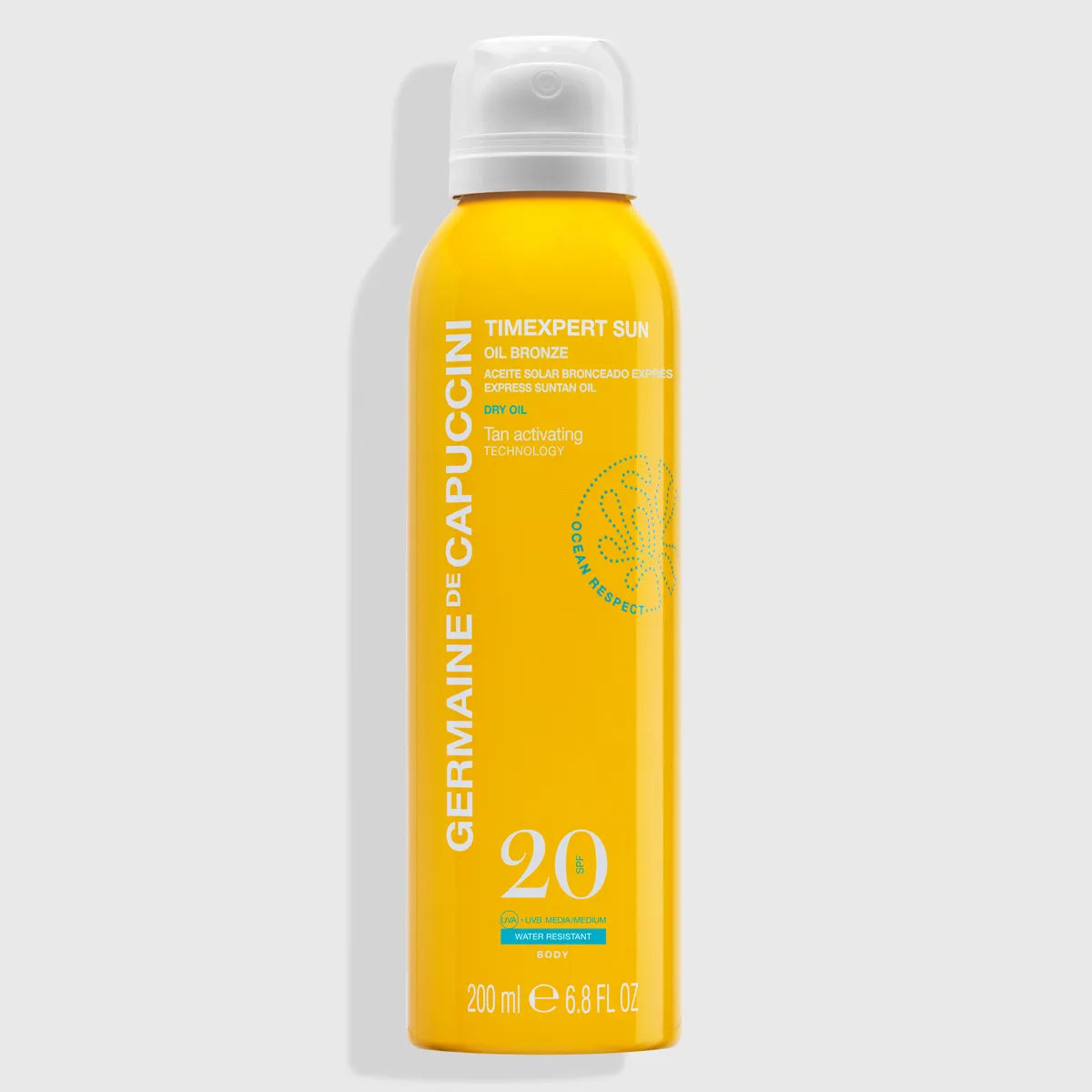
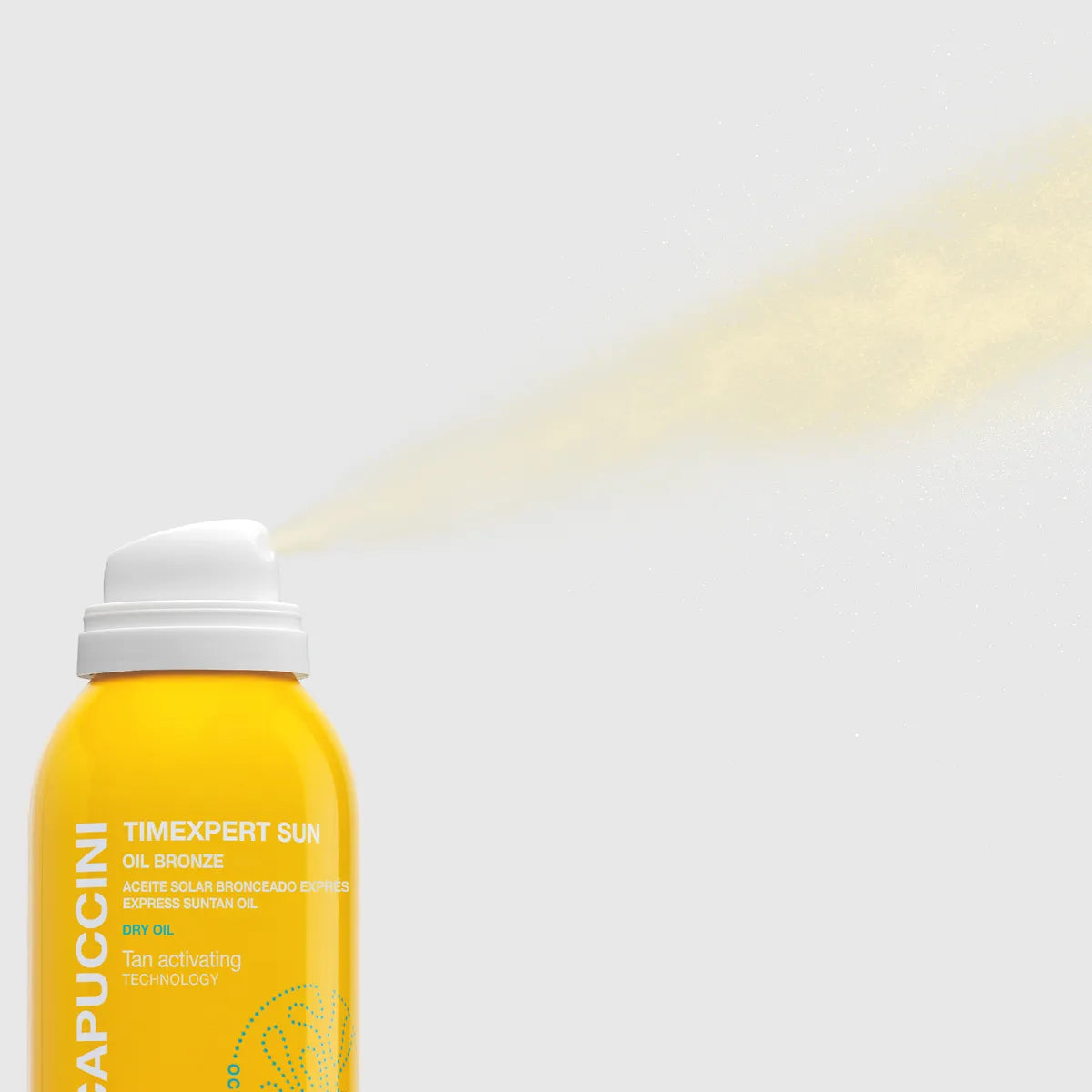
Under the umbrella of body hydration you'll find different formats, each designed for a specific moment and need: slow-absorbing body oils with a nourishing effect, medium-texture body creams for everyday use, light body milks for normal skin, and very rich balms reserved for rough areas or times of intense cold. There are also specific products for hands, one of the areas that first shows signs of dryness. Choosing between one or another depends mainly on the season, skin type and how quickly you want it to absorb at each point in the day.
Ingredients that make the difference
Beyond the format, it's worth paying attention to the ingredient list. Glycerin and hyaluronic acid act as humectants, drawing water into the upper layers of the skin. Vegetable butters and oils, on the other hand, act as occlusives, forming a film that prevents that water from evaporating. The most complete formulas combine both types of active ingredients to achieve long-lasting hydration, while ceramides help reinforce the skin barrier, which is especially useful for skin that suffers from recurring dryness on elbows, knees or heels.
How to apply moisturiser to make it go further
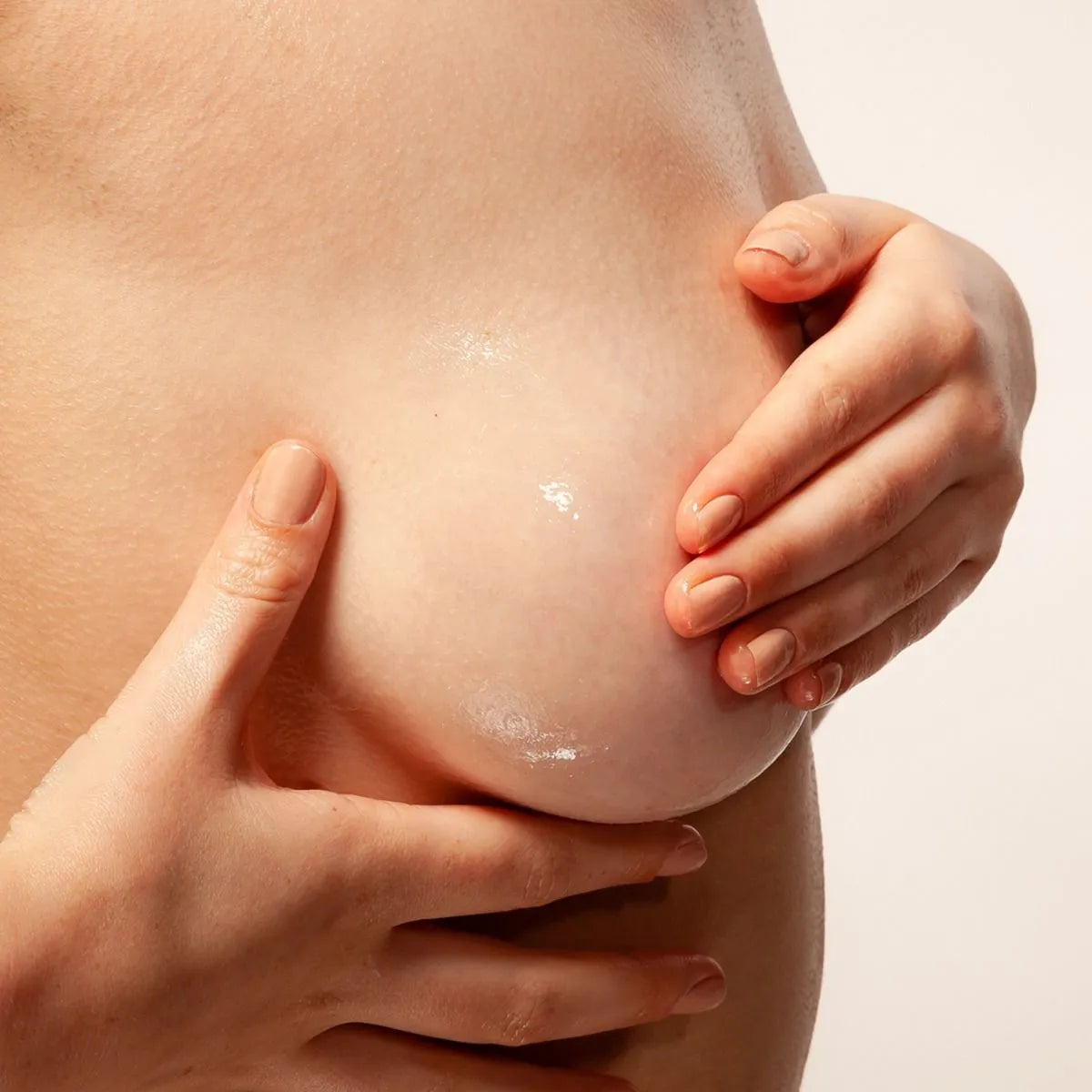
The best time to moisturise the body is right after showering, while the skin is still damp: the residual water helps the product spread more evenly and seal in moisture instead of having to provide it from scratch. Apply a generous amount using upward movements, focusing on the areas most prone to dryness, and let the product absorb fully before getting dressed to avoid it rubbing off onto your clothes.
Common mistakes when caring for body hydration
One of the most common mistakes is always using the same texture all year round, without adapting it to the season: in winter, skin usually needs richer formulas, while in summer it appreciates lighter textures. Another frequent mistake is forgetting areas like hands, elbows or feet, which dry out before the rest of the body, or applying the product to completely dry skin, which reduces its ability to seal in moisture. Keeping up a consistent routine, even a simple one, gives better results in the long run than applying large amounts sporadically.