What makeup is and what it's for
Makeup is the range of cosmetic products applied to the face, eyes and lips to even out skin tone, enhance features and add colour. When well chosen and well applied, it isn't about hiding the face, but about improving its appearance and enhancing what's already there: skin looking its best, eyes looking brighter, lips looking defined.
Within this category you'll find products with very different functions: those that prep the skin, those that even out and correct, those that add colour and those that set the result. Understanding what each one does is the first step to achieving better makeup with less product.
The three areas of makeup: face, eyes and lips
Face makeup
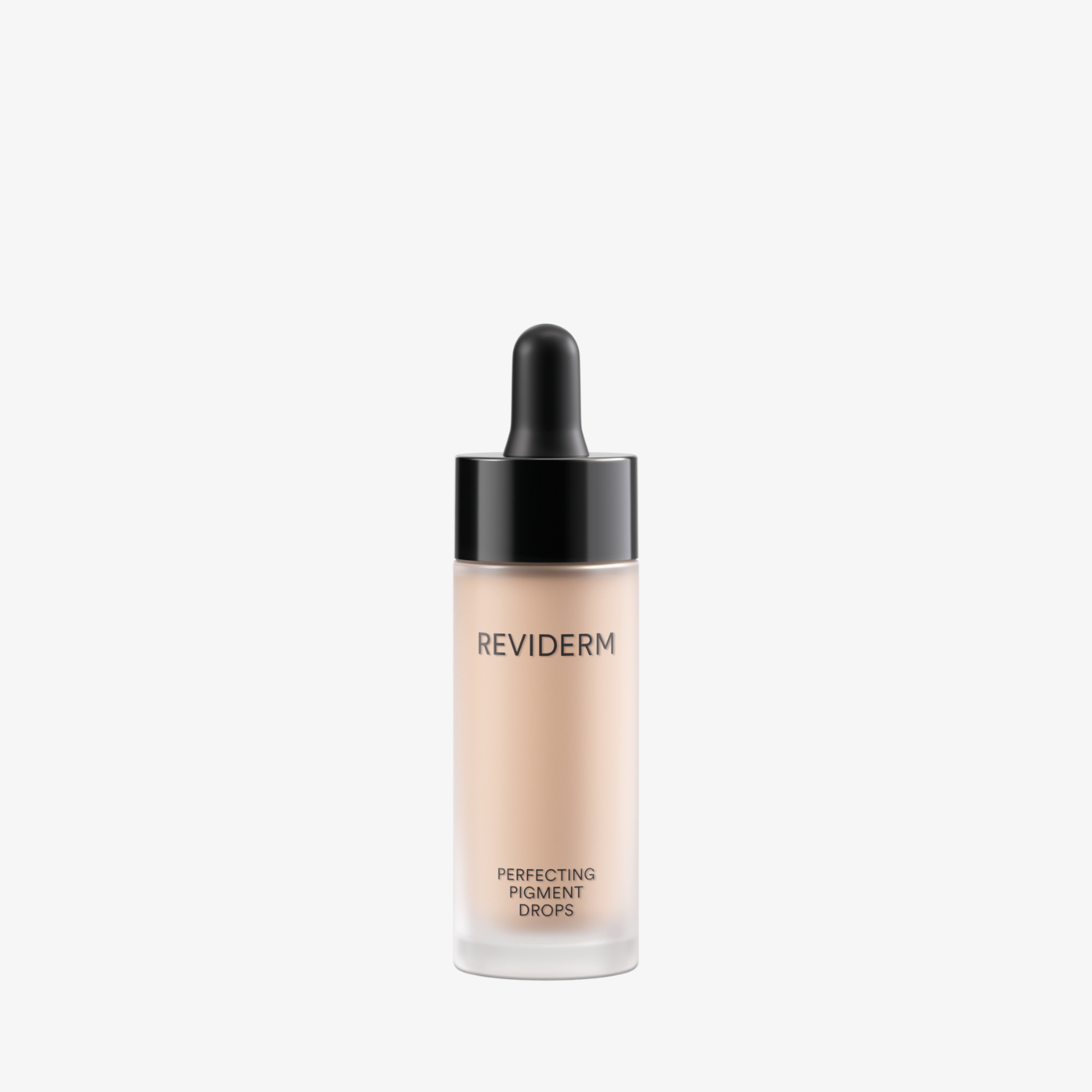
This is the base of any look. It includes primer, foundation, concealer, powder, blush, bronzer and highlighter. Its goal is to even out skin tone, disguise small imperfections and give the face light and colour. When the skin is well prepped, the rest of the makeup almost applies itself.
Eye makeup
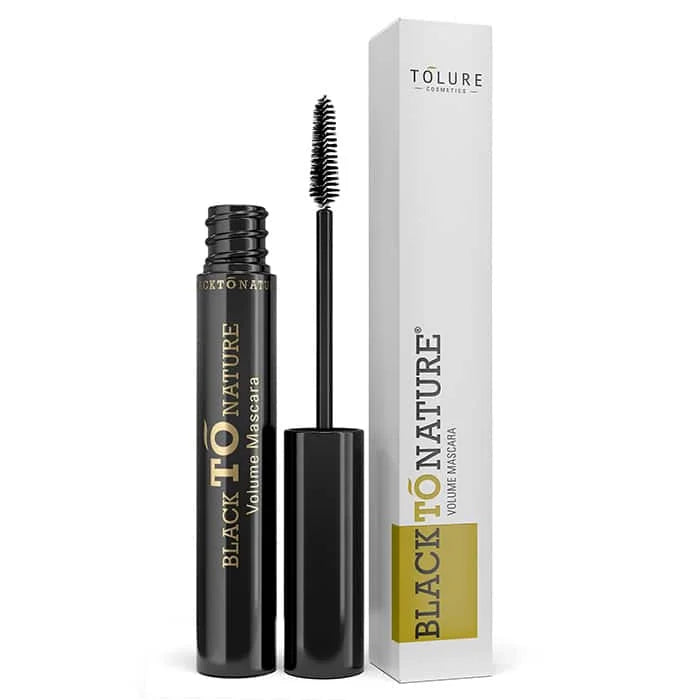
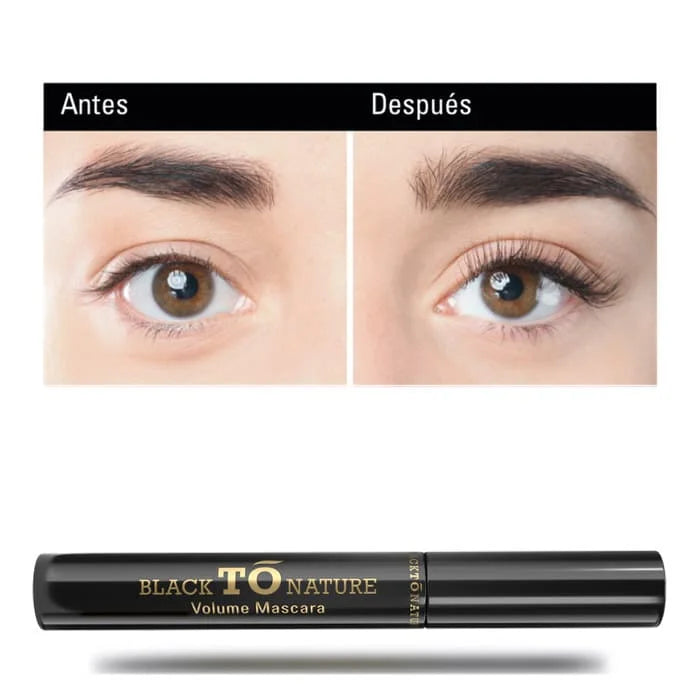
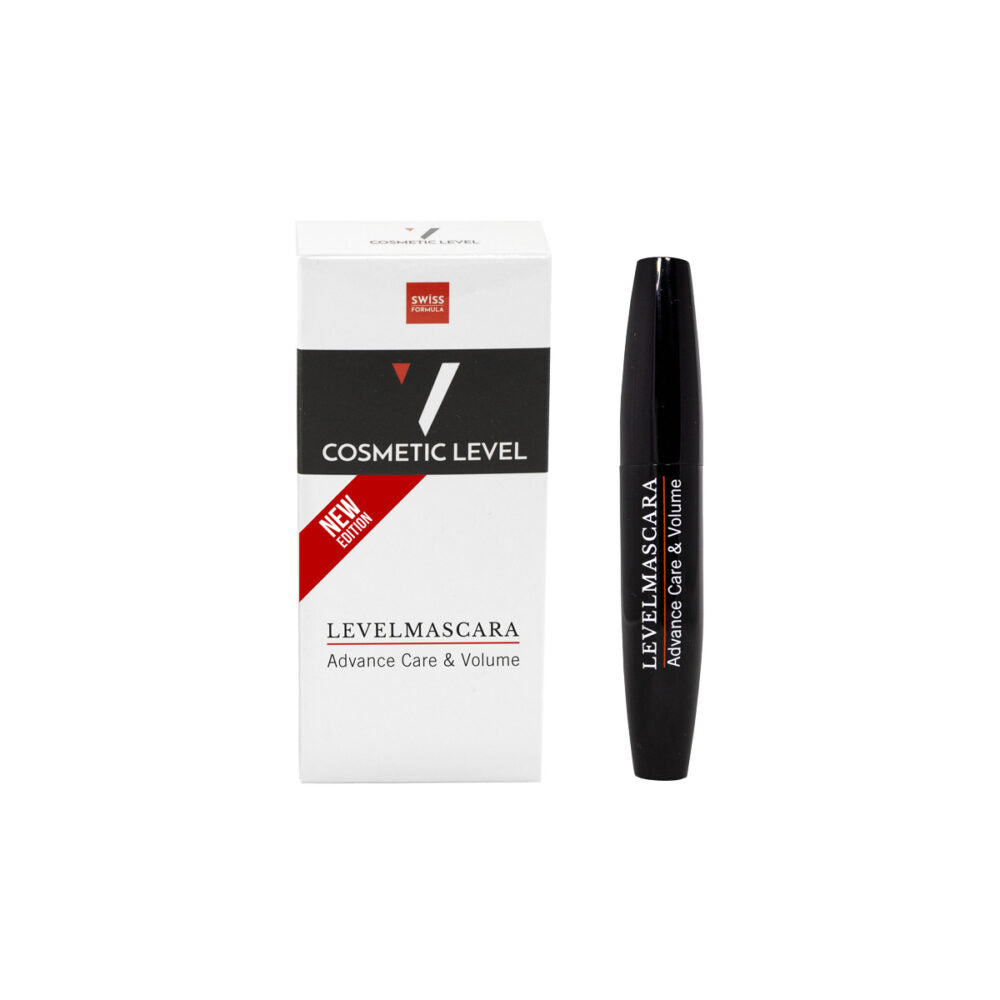
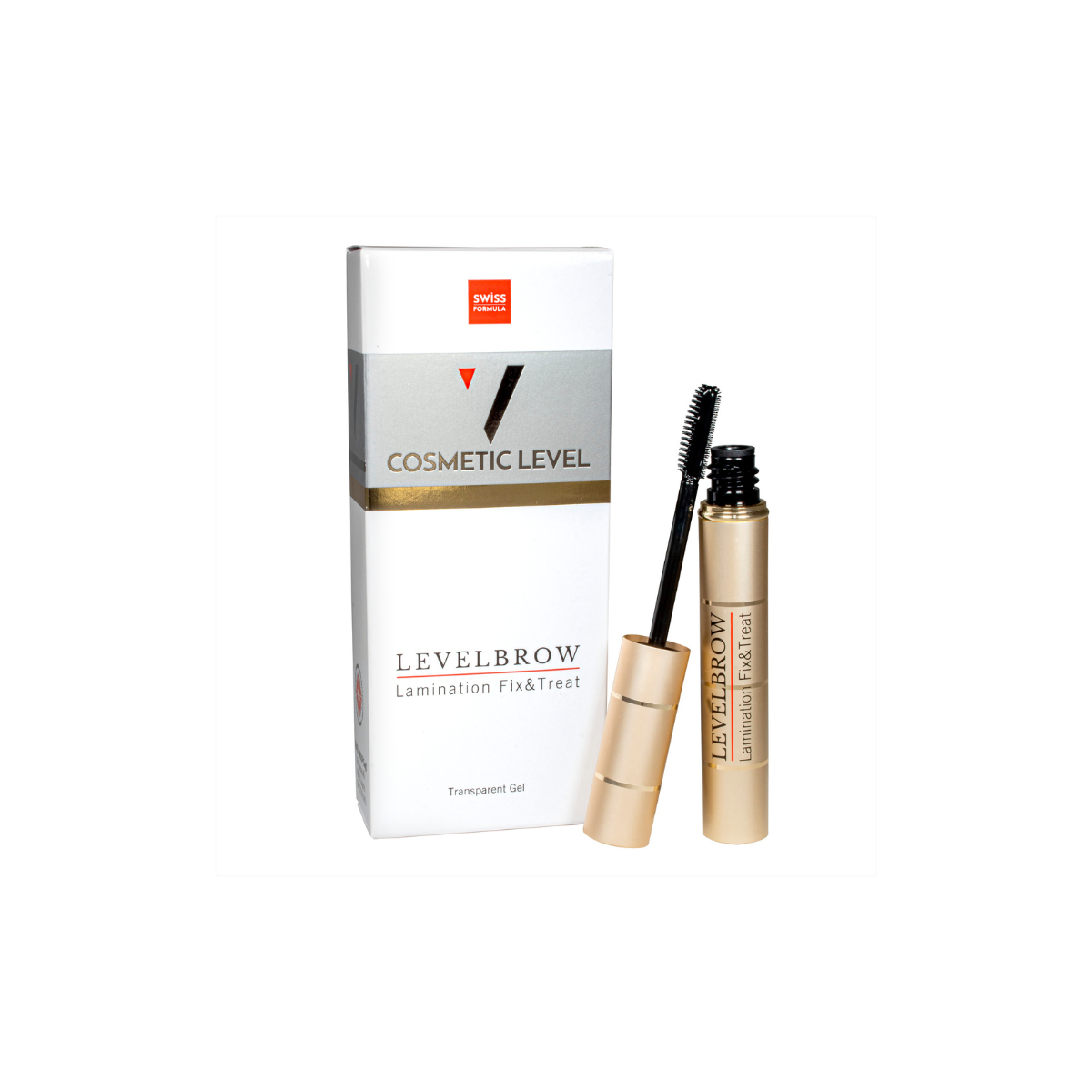
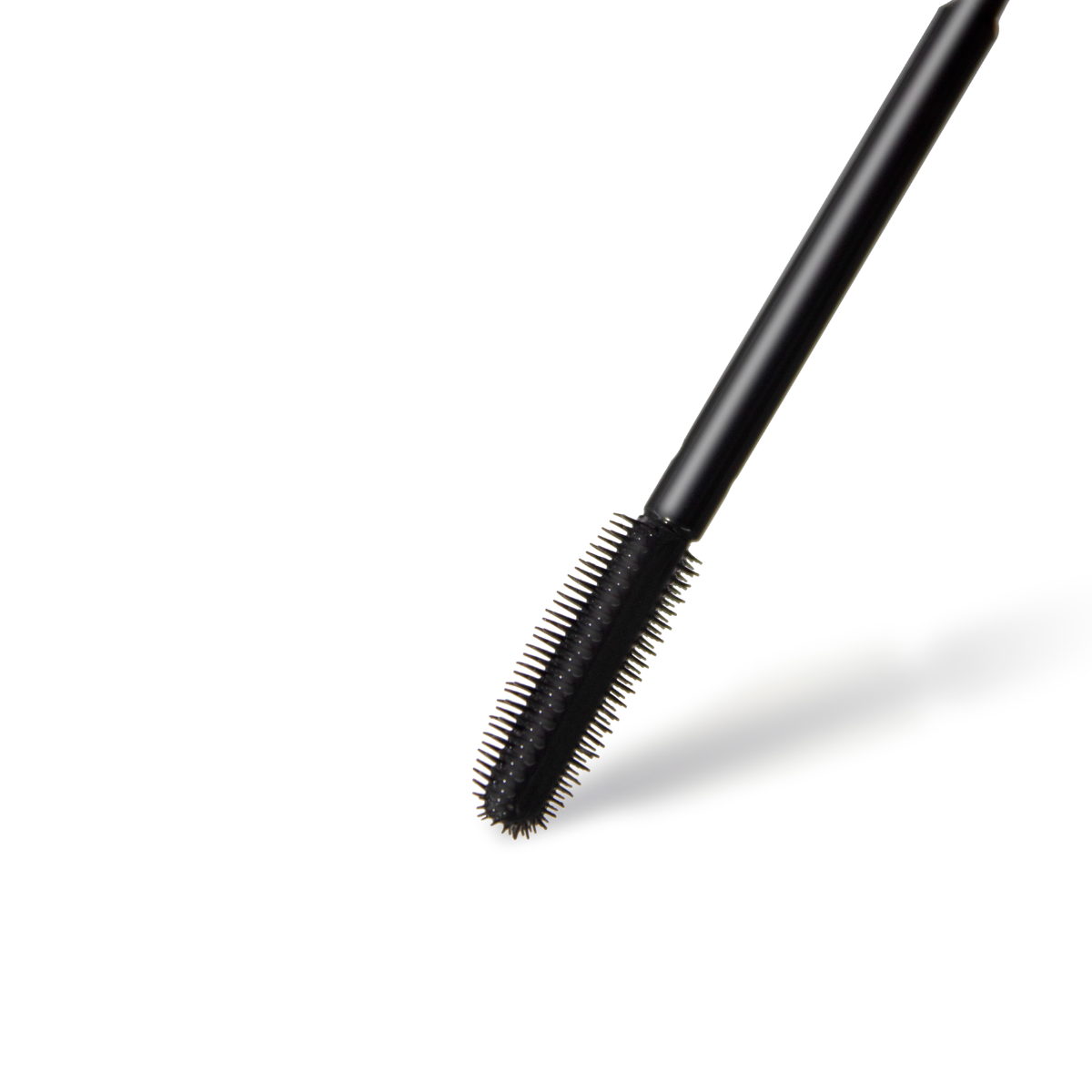
Eyeshadows, eyeliners, mascaras and brow products. This is the area with the most room for creativity: from a subtle wash of colour for daytime to an intense smoky eye for the evening. Often all it takes is groomed brows and a good mascara to transform your look.
Lip makeup
Lipsticks, liquid lipsticks, lip liners and lip glosses. The finish—matte, satin or gloss—and the intensity of the colour set the character of the whole look: a well-chosen nude is flattering and understated; a classic red is a look in itself.
How to choose makeup according to your skin type
- Dry skin: fluid, creamy textures, luminous or satin finishes and formulas with hydrating actives. Powder only where absolutely necessary.
- Oily skin: matte finishes, oil-free formulas and mattifying powders to control shine, especially in the T-zone.
- Combination skin: the best of both worlds: a natural finish across most of the face and targeted mattifying on the forehead, nose and chin.
- Sensitive skin: simple formulas with few ingredients and no strong fragrances, plus gentle, consistent makeup removal every night.
- Mature skin: light, luminous textures that won't settle into fine lines; in this case, less product usually gives better results.
Besides skin type, also pay attention to your undertone—cool, warm or neutral—when choosing foundation, concealer or lipstick. A classic trick: if the veins on the inside of your wrist look blue, your undertone tends to be cool; if they look greenish, it tends to be warm. That nuance is what makes a shade blend into the skin instead of sitting on top of it.
How to put together a basic makeup bag
You don't need an arsenal. With just a few well-chosen products, you can handle your everyday look:
- A foundation or a tinted cream matching your skin tone and type.
- A concealer for dark circles and small imperfections.
- A blush to bring your face back to life in seconds.
- A brow product and a mascara.
- A comfortable lipstick, the kind you can apply without a mirror.
- Loose or pressed powder if your skin tends to shine.
From there, expand according to your favourite looks: a versatile eyeshadow palette, an eyeliner, a highlighter or a bronzer to add warmth to your face.
What order to apply your makeup in
The classic order goes from the skin outward. First, moisturiser and primer if you use one; then, foundation and concealer; next, powder to set everything; and finally colour: bronzer, blush and highlighter, eyes and brows, and lips to finish. A simple rule avoids most mishaps: cream and liquid textures go before powders, never on top of them, so patches don't form.
If you're going for an intense eye look, with dark eyeshadows or lots of pigment, here's a professional makeup tip: start with the eyes and clean up any fallout before applying your foundation. That way you save yourself from redoing your skin if something falls.
Common mistakes and tips to get it right
- Choosing your foundation shade on the back of your hand: always test it on your jawline and check it in natural light.
- Applying too much product at once: it's easier to add than to remove, especially with concealers and blushes.
- Skipping moisturiser beforehand: on tight, dry skin, any texture cracks sooner.
- Not checking expiry dates: opened products have a limited shelf life, especially eye products.
- Sleeping with makeup on: removing your makeup daily is half of what keeps your skin looking good.
With these clear basics, makeup stops being an endless list of products and becomes what it should be: a short, comfortable routine that flatters you.