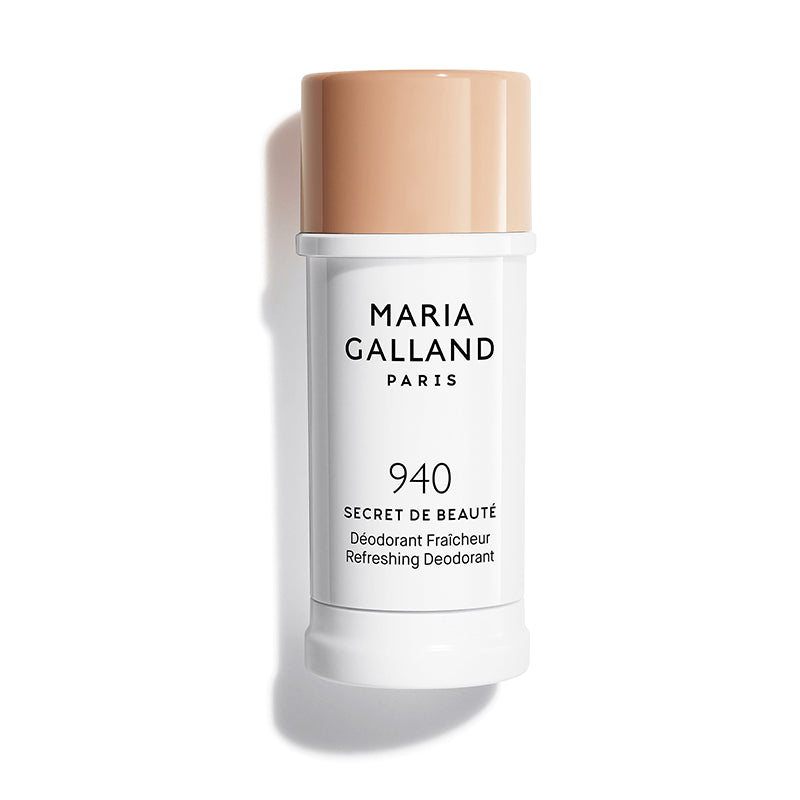
What is a deodorant and how does it work?
Deodorant is a cosmetic product designed to control body odour, mainly in the underarm area, where a large part of the body's sweat glands are concentrated. Its function is not to stop sweating, but to act on the bacteria that, by breaking down that sweat on the skin, create the characteristic odour. That's why a good deodorant combines ingredients that reduce bacterial growth with others that provide an immediate feeling of freshness, without needing to block such a natural process as perspiration.
Deodorant and antiperspirant: what's the difference
Although they're often confused, they don't serve exactly the same function. Deodorant works against odour without stopping sweating, while antiperspirant contains salts that temporarily block the sweat glands to reduce the amount of sweat that reaches the skin's surface. Choosing one or the other depends on each person's priority: controlling odour or also controlling the amount of sweat.
How to choose your deodorant according to your skin
Sensitive skin
It's best to opt for formulas without alcohol or intense fragrances, with soothing ingredients that reduce the risk of irritation after shaving or hair removal.
Skin prone to excessive sweating
Deodorants with ingredients like baking soda offer more powerful action against odour, although it's best to test them first on reactive skin.
Normal skin
Practically any format or formula tends to work well, so the choice can be based on ease of application.
Types and formats of deodorant
- Stick deodorant, applied directly and very popular for its convenience.
- Roll-on deodorant, with a liquid texture that spreads evenly.
- Spray deodorant, quick-drying with a light feel.
- Cream deodorant or alum stone, more natural formats common in conscious cosmetics.
Common ingredients in deodorants
- Sodium bicarbonate, very effective against odour although it can be intense for sensitive skin.
- Corn or tapioca starch, which help absorb surface moisture.
- Essential oils, which provide a natural scent and some antibacterial action.
- Mineral salts, found in stone-type formats, with long-lasting action.
Natural deodorant vs conventional deodorant
Natural deodorant replaces aluminium salts and other synthetic ingredients common in conventional formulas with plant-based or mineral alternatives, such as bicarbonate, starches or essential oils. Their action is usually just as effective against odour, although the adjustment period can differ: some people notice that, when switching from an antiperspirant to a natural deodorant, the skin takes a few days to adjust to a sweating rhythm that was previously partially blocked. After that period, most people find a comfortable balance between odour control and respect for the skin's natural perspiration process.
When to switch deodorant
There are signs that indicate it may be a good time to try a different formula: noticing recurring irritation in the area of application, feeling that the effect wears off sooner than expected, or simply looking for a more natural composition. Seasonal changes also play a role, as in warmer periods a lighter format, such as spray, may be preferred over a denser stick that feels comfortable in winter. Trying a formula for at least a week before ruling it out helps assess its real effectiveness, since the skin needs a small adjustment period.
How to apply deodorant so it lasts longer
Deodorant is best applied to clean, completely dry skin, as residual moisture reduces its adherence and effectiveness throughout the day. Applying it at night, before bed, allows it to act on skin at rest and tends to prolong its effect compared to applying it only in the morning in a rush. Avoiding applying it right after shaving, when the skin is more sensitive, also helps prevent unnecessary irritation.
Common mistakes when choosing or using deodorant
- Applying it to damp skin, which reduces its effectiveness during the day.
- Constantly changing formulas without giving them time to see if they work.
- Using a very strong deodorant on freshly waxed or shaved skin.
- Storing the product in very hot places, where it can alter its texture.
Finding the right deodorant usually takes some trial and error, but knowing the different formula types and their differences helps you get it right sooner with a comfortable, effective option for everyday use.