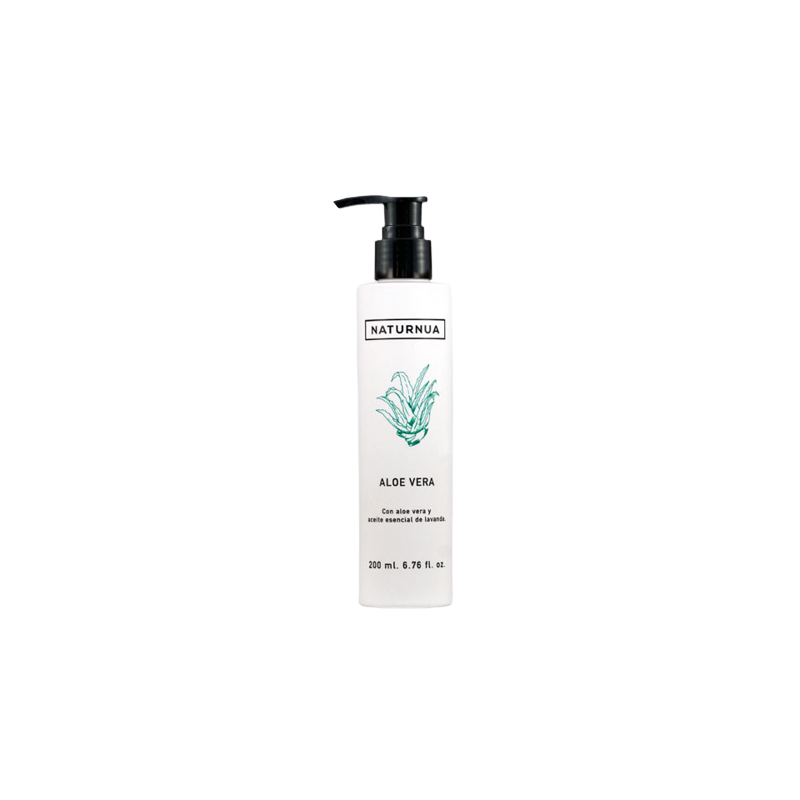
What body cream is and what it's for
Body cream is a medium-texture moisturiser, denser than a lotion, formulated to nourish and hydrate the skin all over the body in a single application. It combines water, which provides immediate hydration, with oils and butters, which lock in that moisture and strengthen the skin barrier. It's the most common format for daily care because it strikes a good balance between fast absorption and hydration that lasts longer than lighter textures.
How to choose your body cream according to your skin type
The ideal texture varies a lot from one skin to another, so it's worth paying attention to how yours responds before deciding.
Dry skin
Look for creams rich in shea butter, ceramides or hyaluronic acid, capable of repairing that feeling of tightness and restoring flexibility to rough areas like elbows and knees.
Oily or combination skin
Gel creams or lightweight textures, with ingredients like niacinamide, hydrate without leaving a heavy feeling or excess shine, which is especially useful in summer.
Sensitive skin
Prioritize fragrance-free formulas with soothing ingredients like oat or aloe vera, which reduce the risk of itching or redness after application.
Mature skin
Creams with antioxidant actives and a slightly richer texture help improve the look of firmness and elasticity of the skin, especially in areas like the neckline or arms.
Types of body cream that exist
Within this category there are several families: everyday moisturizing creams, designed to keep skin comfortable at any time of year; nourishing or repairing creams, which are denser and reserved for very dry skin or particularly rough areas; and creams with a specific purpose, such as firming or improving the appearance of cellulite, which combine hydration with specific actives for those needs.
Ingredients that make the difference
Glycerin and hyaluronic acid work as humectants, drawing water toward the upper layers of the skin, while shea butter and vegetable oils act as occlusives, forming a film that prevents that water from evaporating. Ceramides help strengthen the skin's natural barrier, and actives like caffeine or centella asiatica often appear in creams designed to improve firmness and the visual texture of skin. It's also worth checking whether the formula contains fragrance, since in very reactive skin this can be the cause of redness or itching, in which case it's best to opt for versions with no added fragrance.
How to choose the texture depending on the season
The same skin may need different creams depending on the season: in winter, when heating and cold outdoor air dry out skin more, rich, dense textures help keep the skin barrier in good condition. In summer, on the other hand, it's best to switch to lighter, fast-absorbing creams that hydrate without leaving a heavy feeling under clothing or encouraging sweating. Adapting your body cream to these seasonal changes tends to give better results than always using the same formula all year round.
How to apply body cream correctly
The best time to apply it is right after showering, while skin is still damp, since the residual water helps the product spread more evenly. Use enough product and apply it with upward movements, focusing on the driest areas, and wait for it to absorb before getting dressed so it doesn't leave a sticky feeling on your clothes.
Common mistakes when using body cream
Applying too little product is one of the most common mistakes, since the skin doesn't receive the hydration it needs and the effect lasts fewer hours than expected. Another frequent mistake is always using the same texture all year round without adapting it to the season, or skipping areas like hands, elbows and feet, which tend to dry out before the rest of the body. Consistent daily application gives better results than applying large amounts occasionally. It's also worth checking the opening date on the packaging: like any cosmetic product, body cream has a shelf life once opened, and using it beyond that period can reduce its effectiveness or alter its texture.