What facial exfoliation is and what it's for
Facial exfoliation is the step in your skincare routine dedicated to removing the dead cells that build up on the surface of the skin. Over time, these cells dull the complexion, make it harder for subsequent products to absorb, and can give the skin a lacklustre or rough feel to the touch. By removing them regularly, facial exfoliation helps improve radiance, refines texture, and helps serums and creams penetrate better, boosting the effectiveness of the rest of your routine. It's not a one-off step, but a habit that should be incorporated at the right frequency depending on your skin type.
Types of facial exfoliation
Within this category there are different families of products, each working in a different way.
Physical or mechanical exfoliation
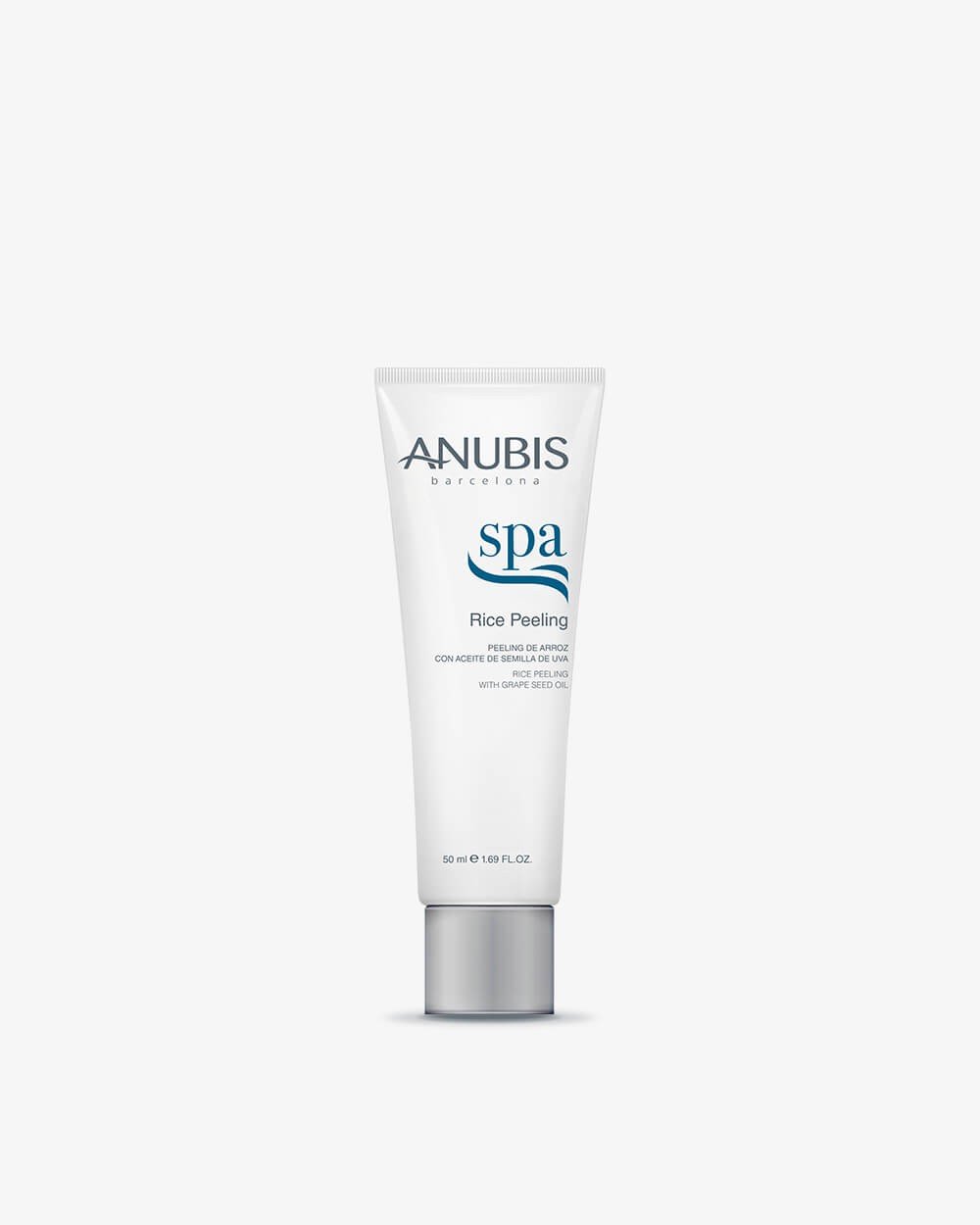
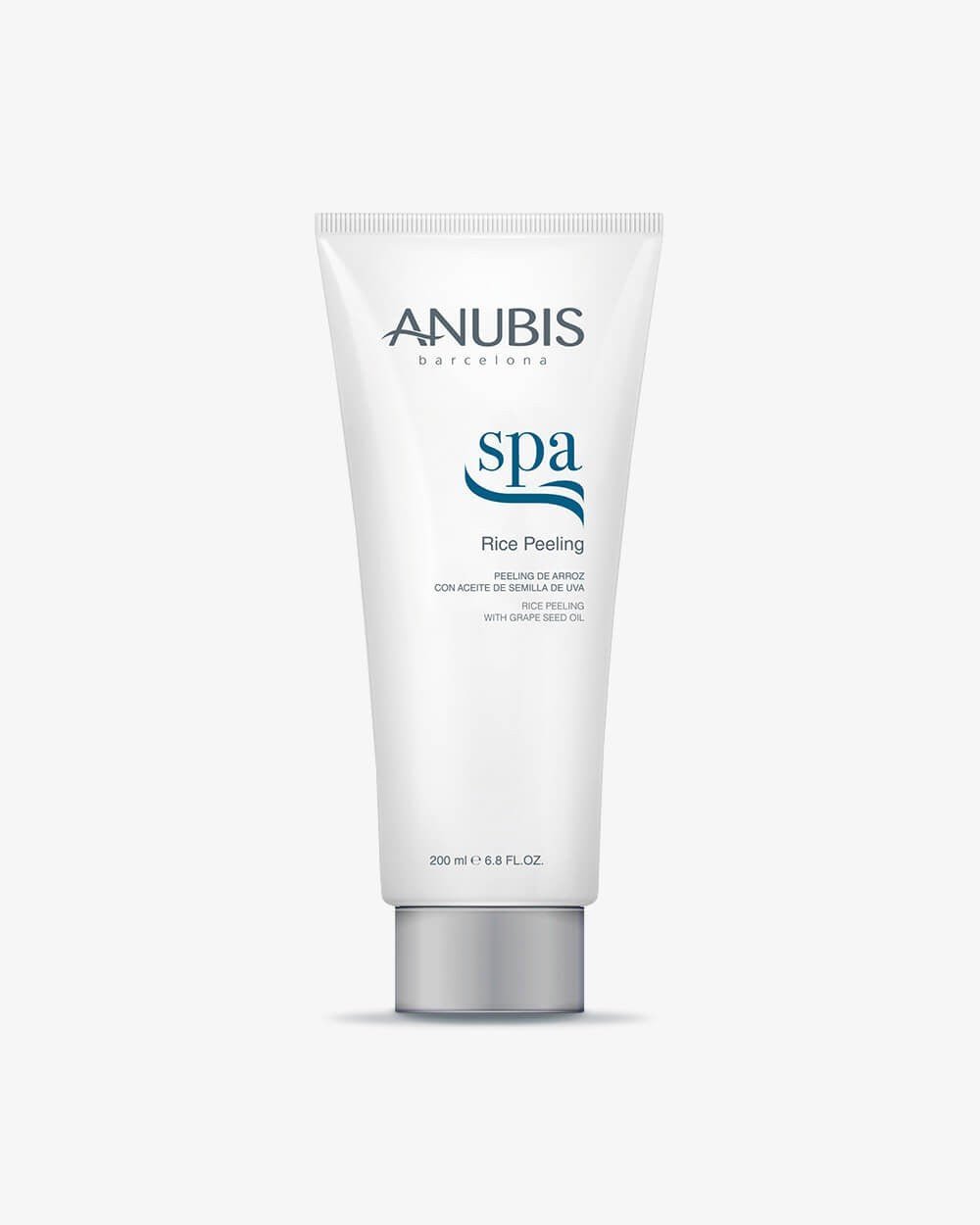
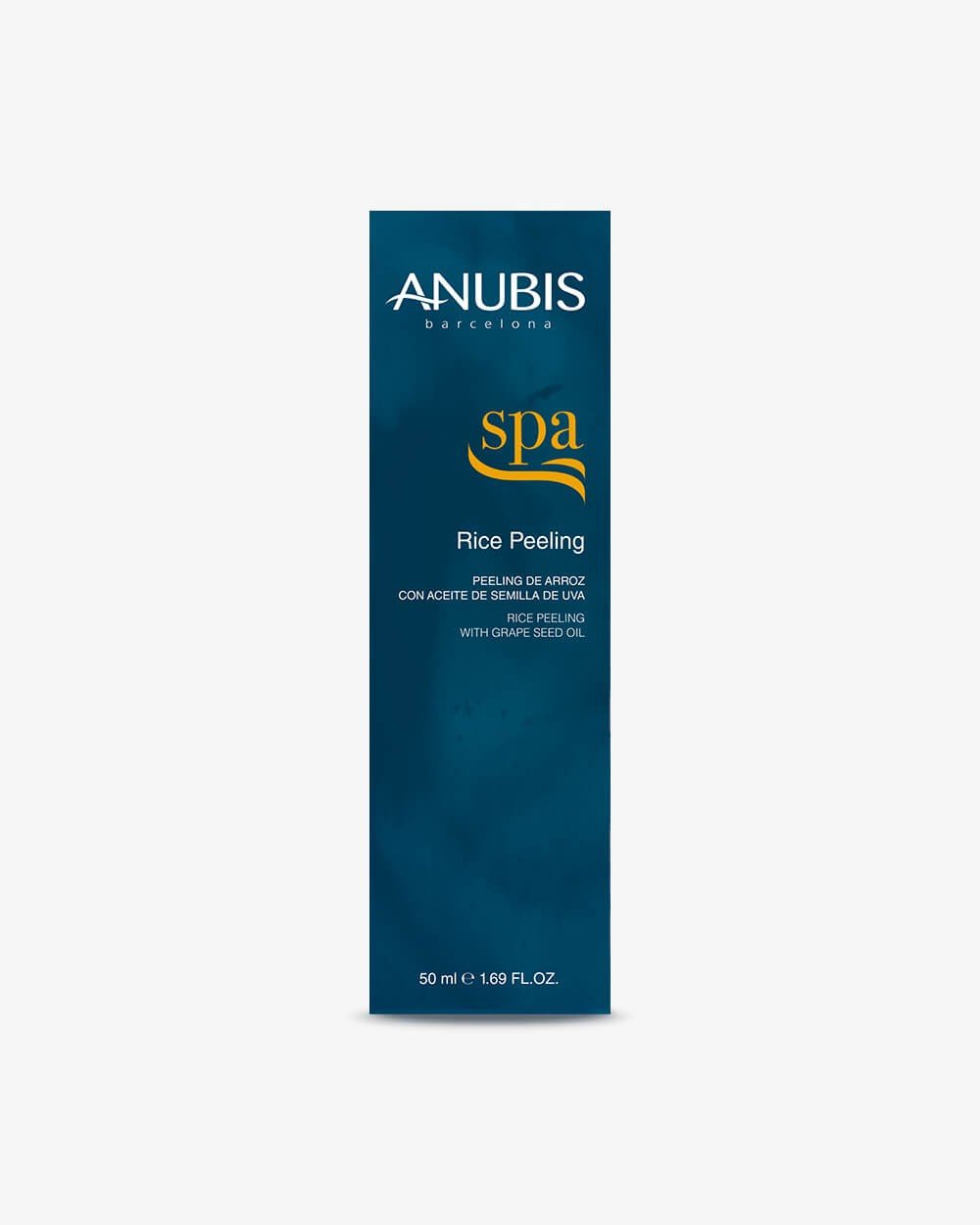
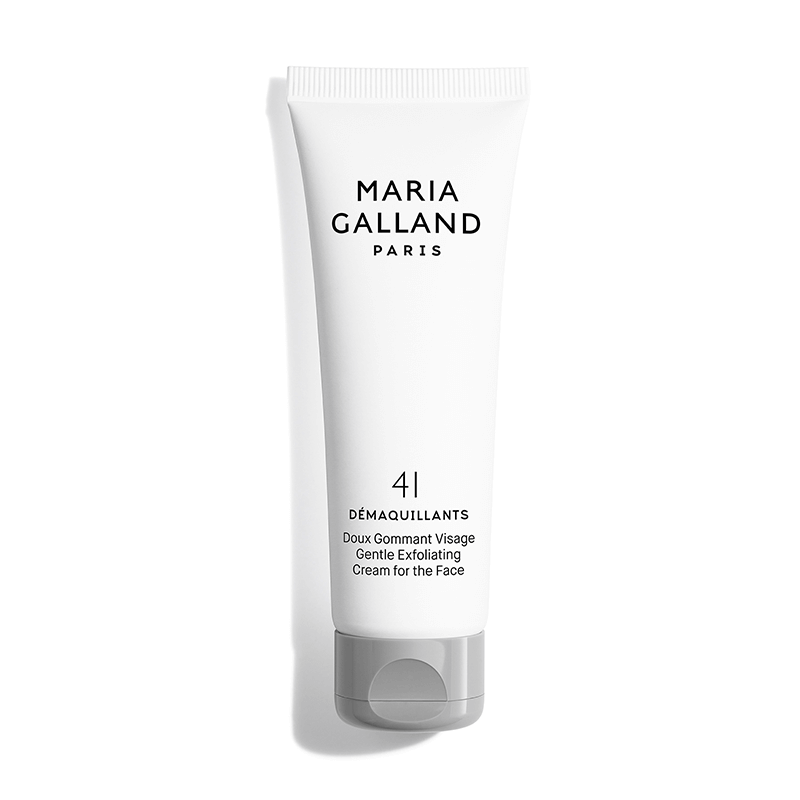
It uses fine particles, grains or textured surfaces that remove dead cells through a light massage on damp skin. Its effect is immediate and very visible to the touch, although it should be applied gently to avoid irritating the skin.
Chemical exfoliation
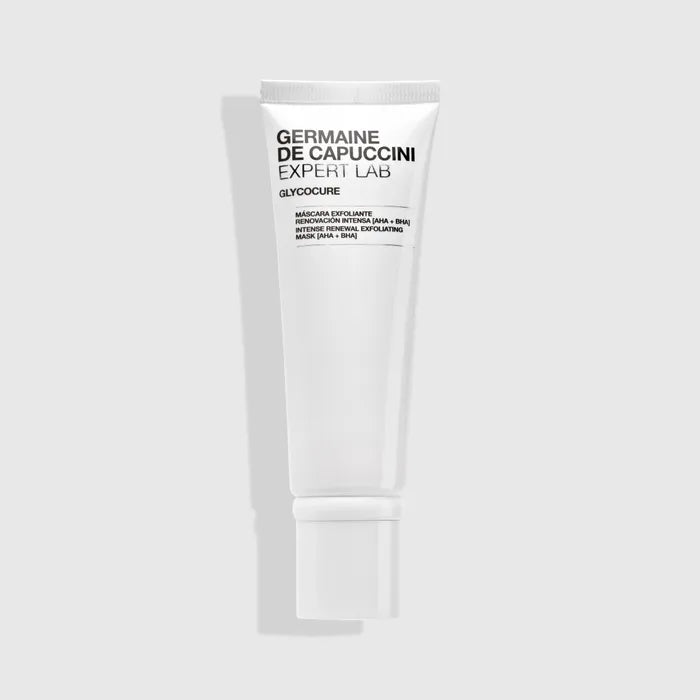
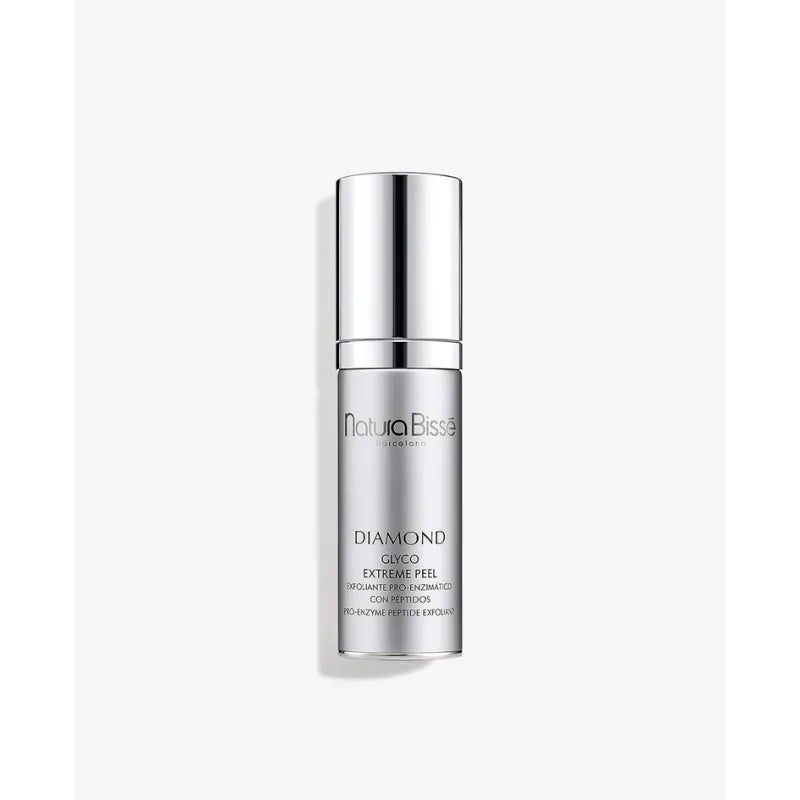
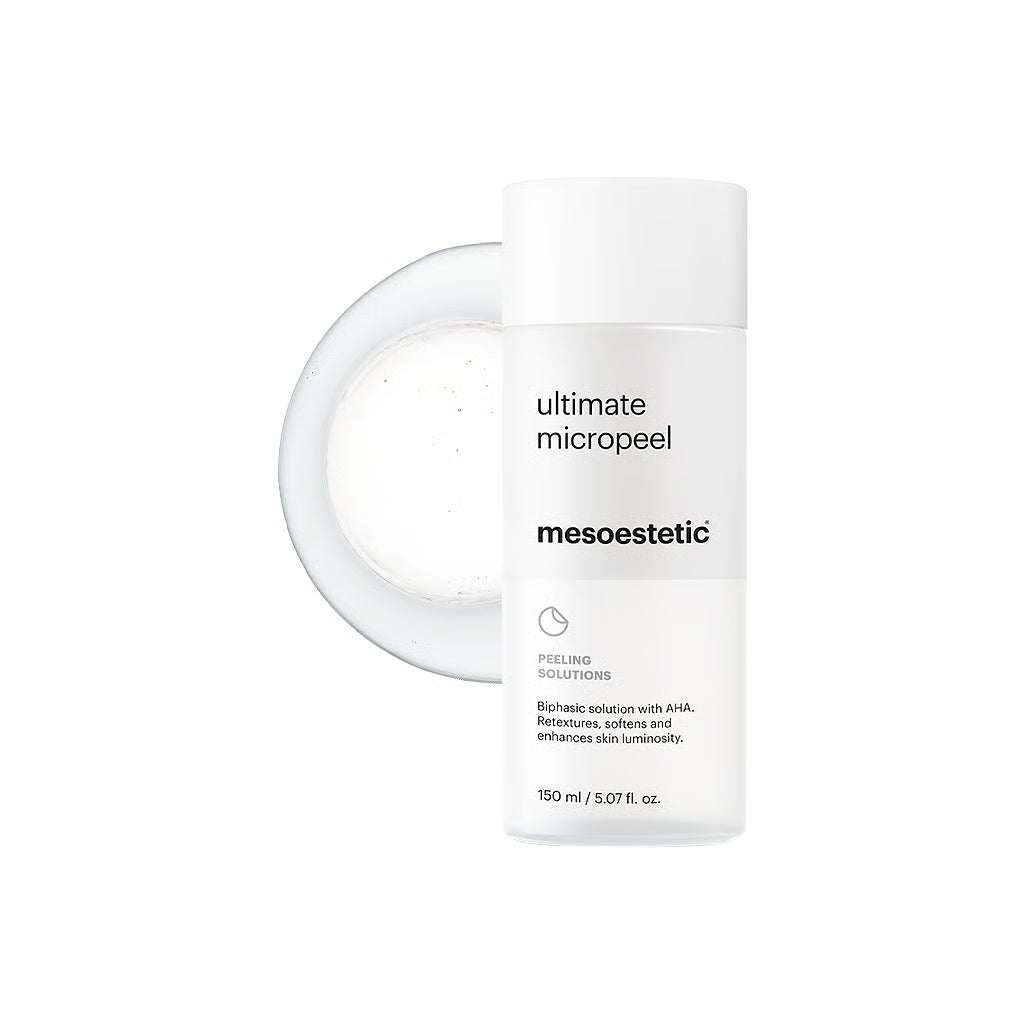
It uses acids, such as AHA or BHAs, which dissolve the bond between dead cells and the skin without the need for scrubbing. It's usually found in serums, toners or overnight masks, and its effect is more gradual than that of physical exfoliation.
Enzymatic exfoliation
It uses plant-based enzymes, such as those from papaya or pumpkin, to renew the skin very gently. It's a common alternative for sensitive or reactive skin that doesn't tolerate grains or stronger acids well.
How to choose your facial exfoliation according to your skin type
- Oily skin or enlarged pores: usually responds well to chemical exfoliants with salicylic acid, which help cleanse deeply.
- Dry or dehydrated skin: it's better to opt for gentle formulas, fine-grain physical exfoliants or chemical ones with mild acids.
- Sensitive skin: enzymatic exfoliants tend to be the gentlest option for the skin barrier.
- Combination skin: it can alternate between different types depending on the area or time of year.
How often to exfoliate the face
The general recommendation is to exfoliate one to two times a week, letting the skin rest the rest of the days so as not to damage its natural barrier. Sensitive skin may need to space out sessions more, while oily skin or thicker skin usually tolerates a somewhat higher frequency. Overdoing exfoliation is one of the most common mistakes: instead of improving the appearance of the skin, excess exfoliation can weaken the skin barrier and cause sensitivity, redness or tightness.
How to properly apply facial exfoliation
Physical exfoliants are applied to damp skin, with gentle circular movements, avoiding rubbing hard or insisting too much on the same area. Chemical and enzymatic exfoliants, on the other hand, are usually applied as another step in the routine, letting them work for the indicated time before removing them or continuing with the rest of the products. In both cases, it's best to always finish with proper hydration, since freshly exfoliated skin is more receptive but also more exposed.
Common mistakes when exfoliating the face
In addition to exfoliating too often, another common mistake is combining several different exfoliants on the same day, which can unnecessarily overload the skin. It's also best to avoid exfoliating right before prolonged sun exposure, since the skin becomes more sensitive to radiation after this step, which is why it's especially important to reinforce sun protection in the days following a facial exfoliation session.
Facial exfoliation according to the area of the face
Not all facial skin has the same thickness or tolerance. The T-zone, formed by the forehead, nose and chin, usually produces more oil and can better handle a somewhat more intense exfoliation, while the cheeks and, above all, the eye contour require much more delicate treatment, with specific products or, directly, avoiding running the exfoliant over that very thin area. Adapting the intensity and type of product according to the part of the face helps achieve better results without causing irritation in the more sensitive areas, something worth keeping in mind especially when starting to incorporate this step into the routine.