Eye makeup: what it is and what it's for
Eye makeup brings together all the products designed to enhance your gaze: eyeshadows, mascara, eyeliner and eyebrow makeup. Each one serves a different purpose — adding colour and depth, opening up the eye, defining the contour or framing the face — but they work best together. Well combined, they allow anything from a natural everyday finish to an intense smokey eye at night, always starting from the same foundation: knowing the shape of your eyes and the effect you're going for.
The eyes are the area of the face that communicates the most, and also the most delicate: the eyelid skin is thin and constantly moving. That's why eye formulas are made with specific textures, pigments suitable for the eye contour, and resistance designed to withstand blinking, moisture and hours of wear.
How to choose your eye makeup based on colour and shape
Before deciding on textures or finishes, it's worth looking at two things: the colour of the iris and the shape of the eye.
By eye colour
- Brown eyes: are the most versatile. Earthy tones, bronze, aubergine and bottle green intensify their warmth.
- Green eyes: mauves, plums and coppers create contrast and make green stand out.
- Blue eyes: soft oranges, terracottas and golds work especially well, as they're complementary colours.
- Grey eyes: they suit almost everything; graphites and deep blues give them intensity.
According to eye shape
On small eyes, light satin tones on the mobile eyelid make them look bigger; on very round eyes, extending the shadow and eyeliner towards the outer corner creates a more elongated look; on droopy or hooded eyelids, working the shadow above the crease —with the eye open— prevents the work from disappearing when looking straight ahead.
The four pillars of eye makeup
Eyeshadows
They add colour, light and depth. You'll find them in powder, cream or stick form, with matte, satin, metallic or shimmery finishes. A simple rule: mattes sculpt and add sobriety; satins and metallics add light and work best in the centre of the lid or the inner corner. To start, a range of neutrals with two or three depths covers most looks.
Mascara
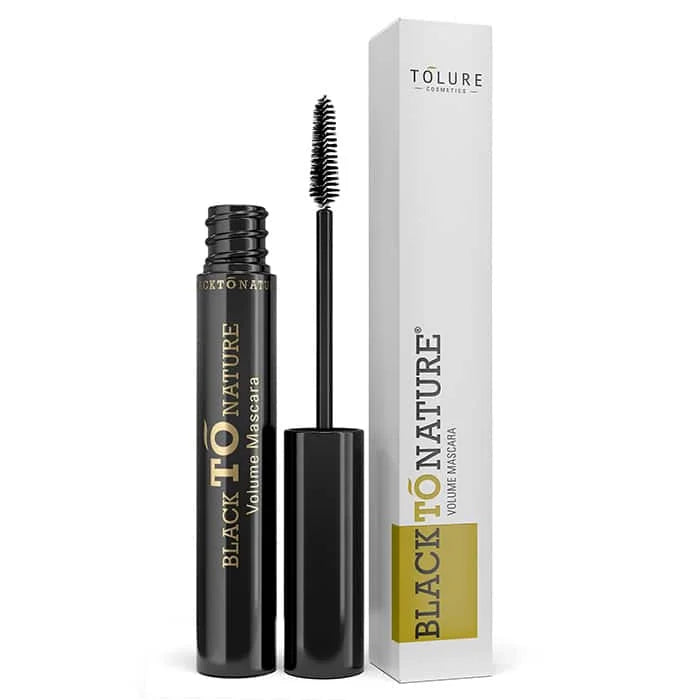
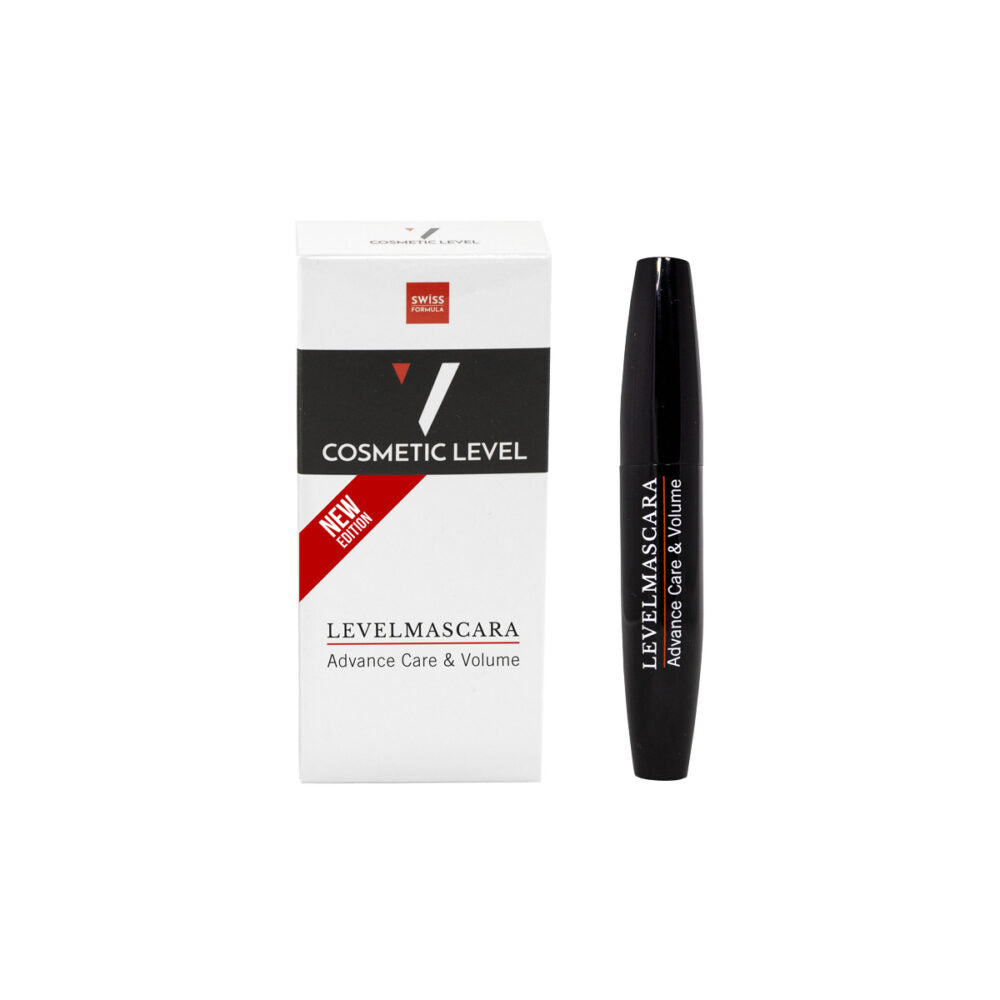
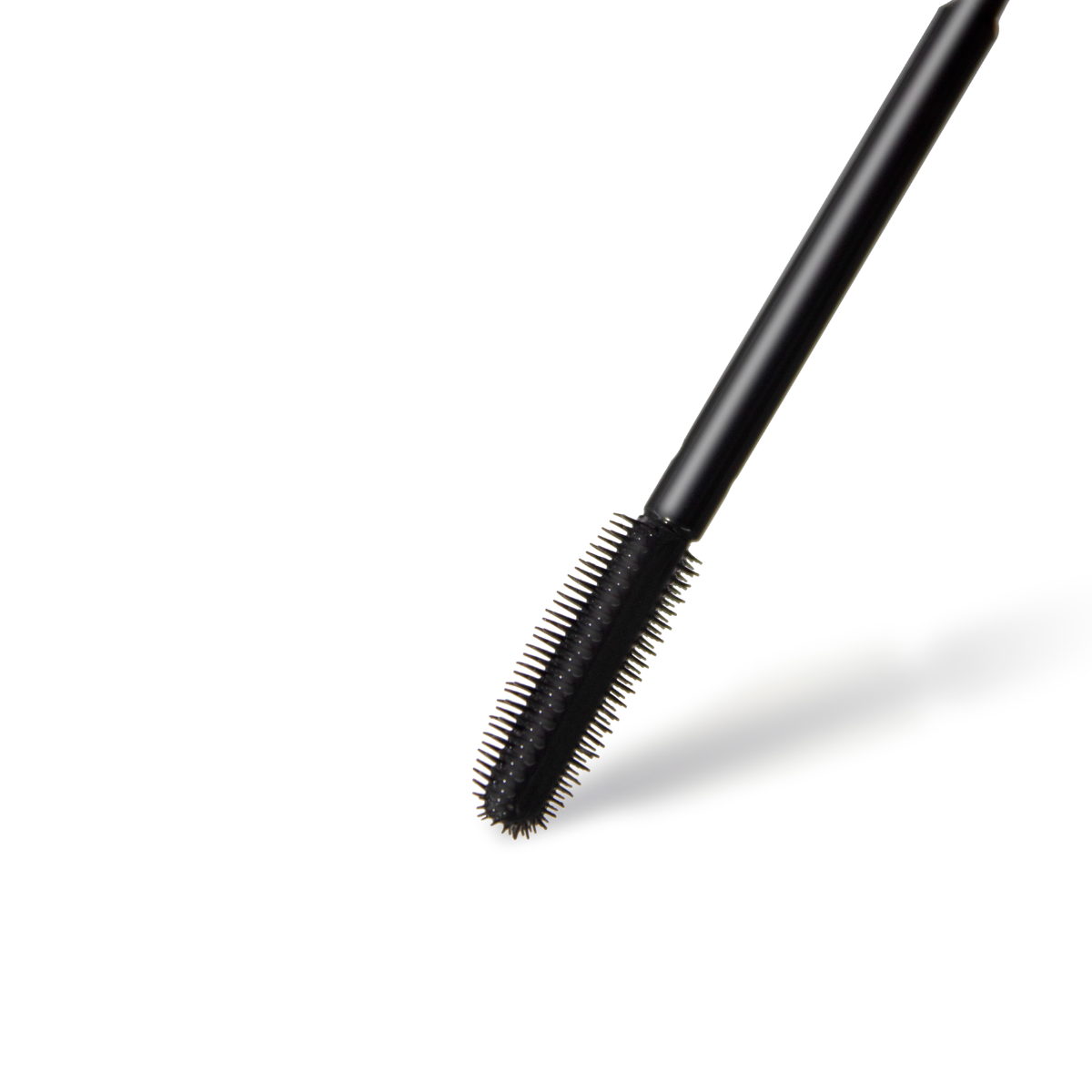
It's the step that changes your look the most with the least effort: it opens up the eye, adds volume and curls the lashes. Choose the formula based on your priority —volume, length, curl or definition— and consider a waterproof version if your eyelids are oily or the weather is hot.
Eyeliner and eye pencils
They define the contour and completely change the intention of the makeup look: a thin line close to the lashes adds density without being noticeable; an elongated stroke creates the classic cat-eye effect. The format —liquid, gel, pencil or felt-tip— determines precision and ease of use.
Eyebrows
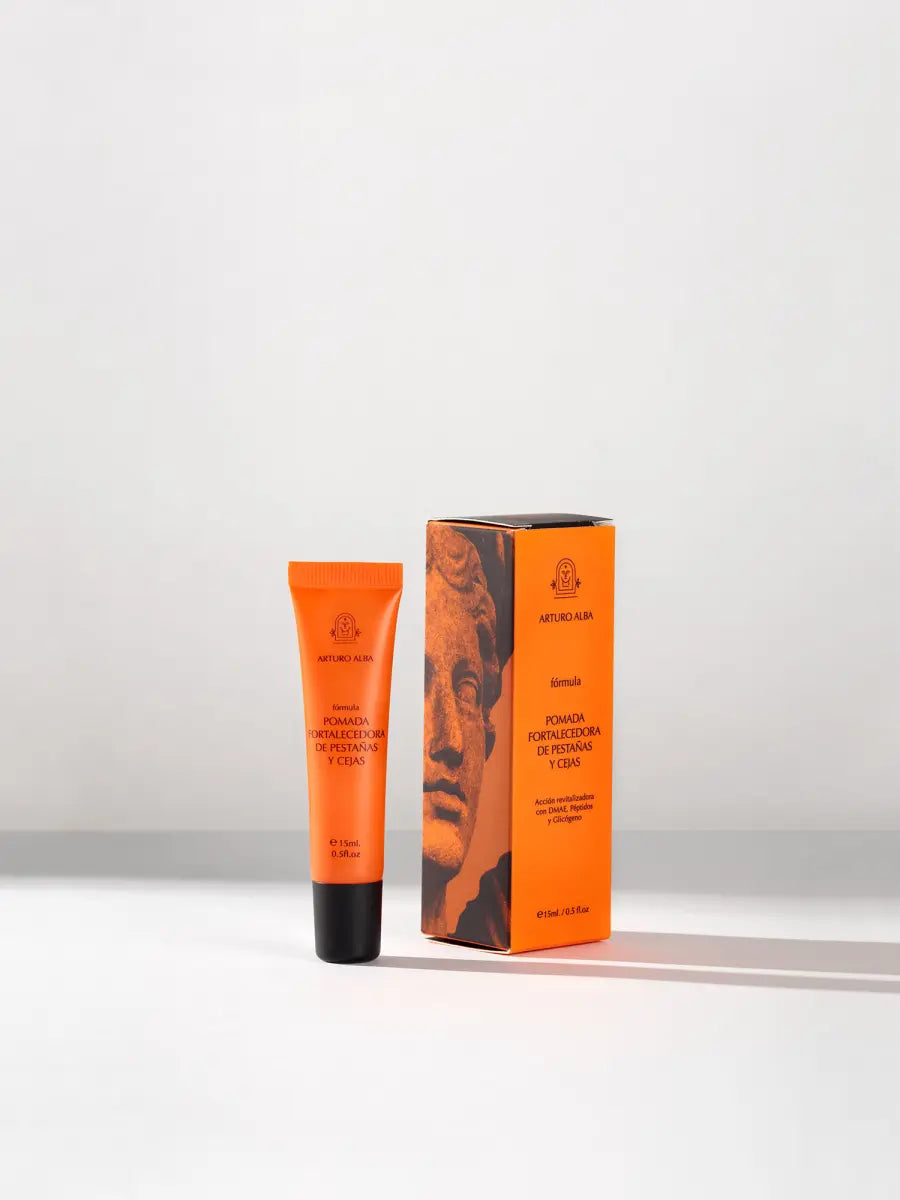
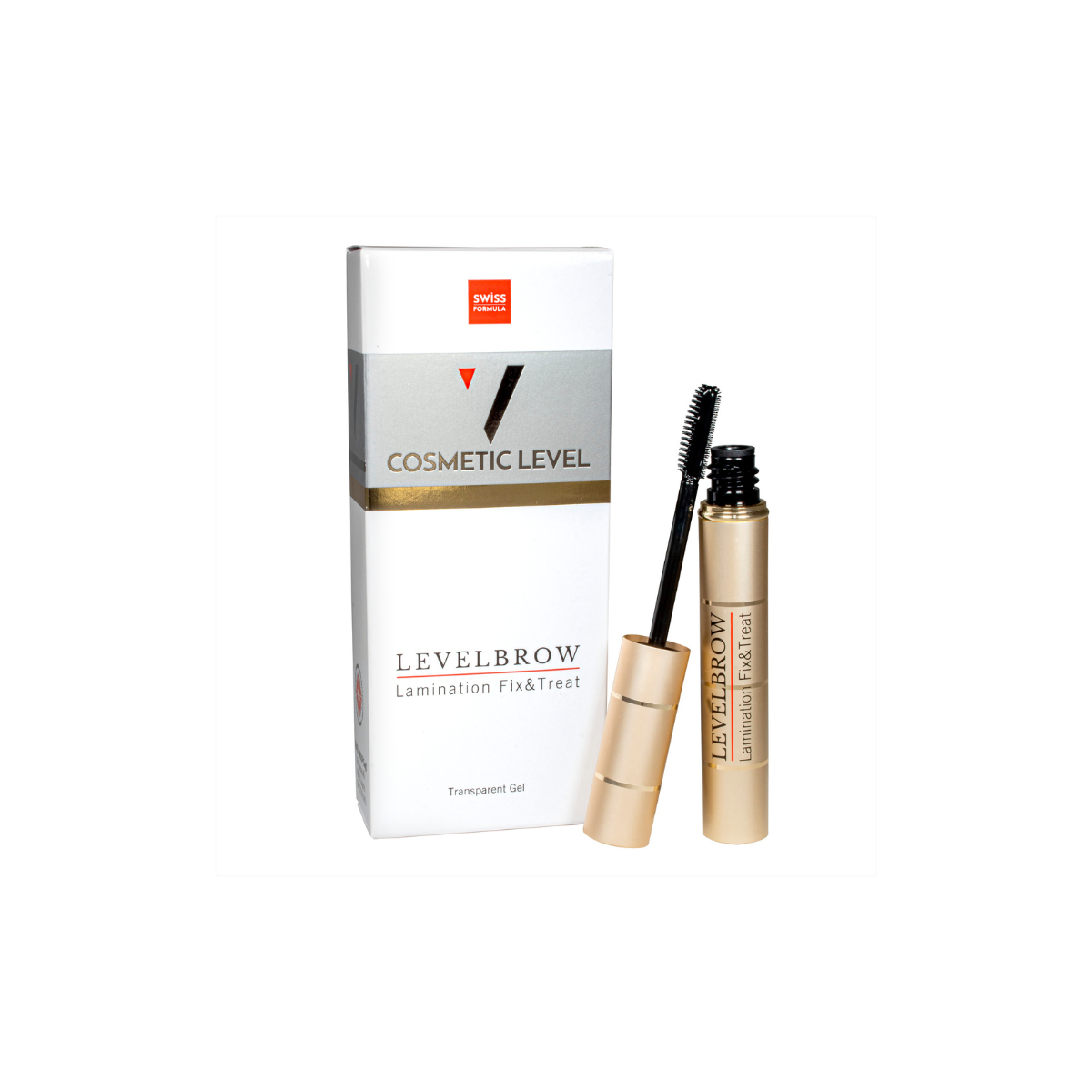
Well-groomed eyebrows with the gaps filled in frame any look. Pencils, gels and pomades allow anything from simple setting to a hair-by-hair drawn effect. It's the step most people skip and the one that elevates the final result the most.
What order to apply them in
A logical order avoids touch-ups and smudges:
- Eye primer (optional, but it extends wear time and prevents eyeshadow from creasing).
- Eyeshadows, from light to dark tones.
- Eyeliner or pencil, once the eyeshadow is set.
- Mascara, always applied last so it doesn't get stained with powder.
- Eyebrows, at the beginning or at the end depending on your preference; many people do them first to balance out the rest.
Common mistakes when doing eye makeup
- Skipping the primer on oily eyelids: the eyeshadow migrates to the crease within a few hours.
- Applying mascara before eyeshadow: the powder falls onto the lashes and dulls the colour.
- Not blending enough: hard eyeshadow lines age the eye; soft blending always looks more flattering.
- Using the same shade all over the eyelid without adding depth to the crease.
- Forgetting the eyebrows: no matter how well done the eyelid is, without defined eyebrows the whole look feels incomplete.
With these criteria — colour, shape, order and patient blending — eye makeup stops being a matter of luck and becomes a technique you can repeat successfully every morning.