


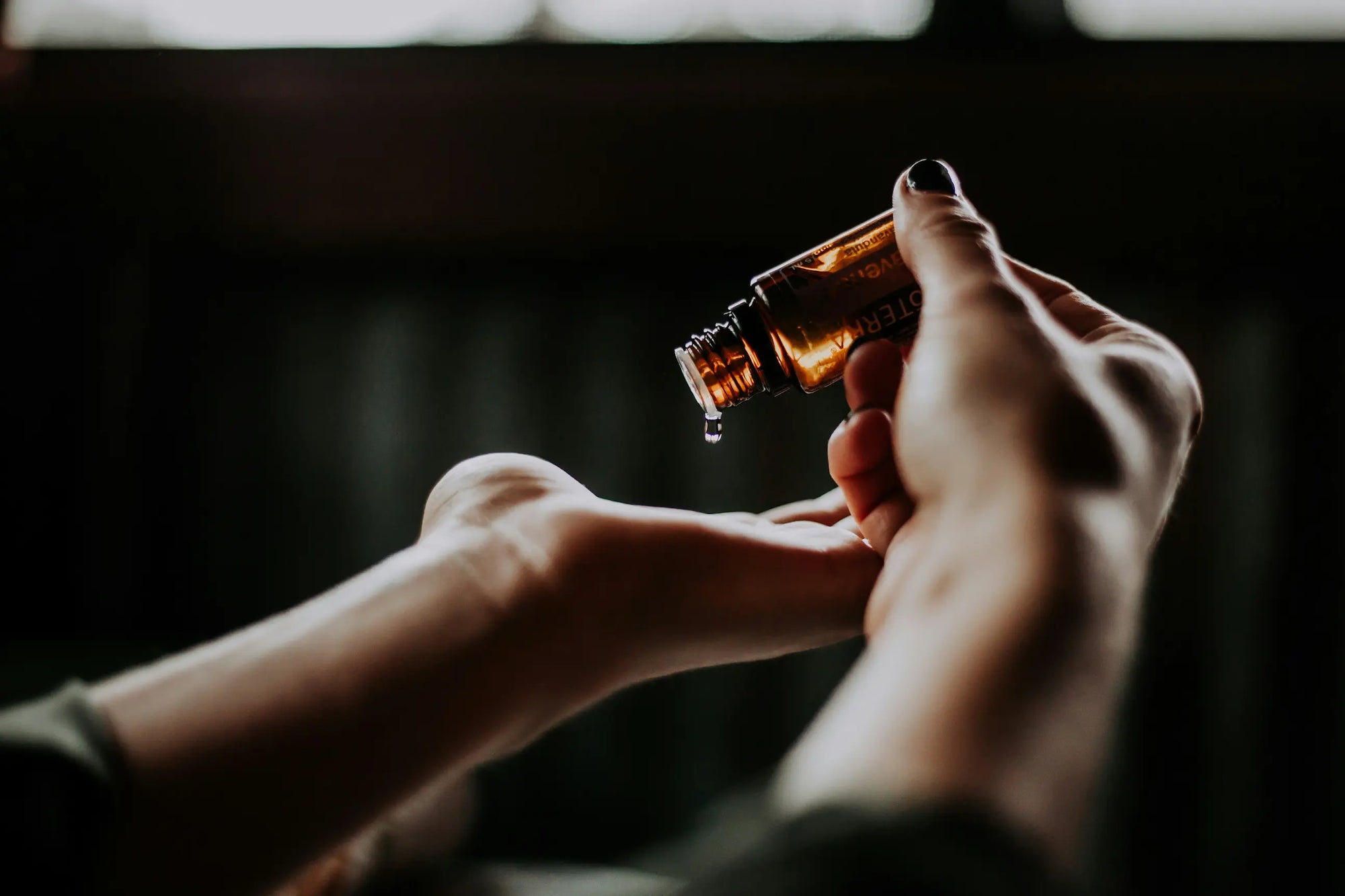
The duration of a perfume depends on its composition (top, heart and base notes), concentration, method of application and environmental conditions. If you're wondering how to make a perfume last longer, this guide presents concrete practices, with technical explanation, to improve longevity and sillage without distorting the fragrance.
Basic principles of perfume longevity
Olfactory evolution is guided by volatility: top notes (light molecules) are perceived first; heart notes sustain the character; base notes (woods, resins, musks) fix and prolong the scent. Understanding this architecture allows you to apply measures that enhance the perception over time without saturating it.
Skin preparation
Apply perfume on clean, well-moisturised skin. Hydration reduces rapid evaporation and helps compounds adhere better. Use a neutral body cream (without strong fragrances that could compete). In certain cases, a very thin layer of petroleum jelly on pulse points can act as a physical fixative; apply sparingly so as not to alter the accord.
Application and dosage: how to make a perfume last longer
Prioritise pulse points: neck, wrists, behind the ears and the inner elbow. Spray from 10–20 cm for even dispersion and avoid rubbing, as this speeds up the evaporation of the top notes and can alter the development of the scent. Apply 2–4 sprays across different areas for a uniform sillage; precision is preferable to overdosing.
Fabrics and hair
On natural fabrics (cotton, linen, wool), the scent lasts longer. Spray from a distance to minimise staining; avoid silk and other delicate materials. On hair, use specific hair mists or spray the perfume onto a comb before gently running it through your hair to preserve the fibre and achieve controlled diffusion.
Seasonality and environment
In summer, heat increases volatility: choose less exposed areas (behind the knees, inner arm) and reduce the dose. In winter, applying under layers (chest, shirt collar) favours the development of the heart and base notes. Temperature, humidity and ventilation affect perception; adjust placement and intensity according to the context.
Concentration and composition
Concentration influences longevity: Eau de Parfum (EDP) and parfum usually offer greater persistence than Eau de Toilette (EDT). Compositions with woody, amber, musky and resinous base notes tend to leave a longer-lasting trace. If persistence is your priority, choose EDP/parfum with tenacious base accords.
Effective layering
Build a compatible base: neutral shower gel, body cream with complementary notes (e.g., soft vanilla to round out woods; clean citrus to brighten top notes) and, on top, the perfume. Well-aligned layering extends the perception of the accord without creating olfactory conflicts.
To better understand and choose layered combinations (top, heart and base notes), check out the guide: What are perfume notes?.
Mistakes that reduce perfume longevity
Rubbing after application speeds up the transition and weakens the top notes. Applying on very dry skin encourages rapid evaporation. Overdosing saturates the sense of smell and can cause olfactory fatigue without actually increasing persistence. Perfuming delicate fabrics increases the risk of staining and does not improve performance.
Smart reapplication
If the day is long, carry a travel atomiser for touch-up reapplication on pulse points. A low, strategic dose maintains the coherence of the accord and avoids saturation. In ventilated spaces or warm climates, moderate reapplication is more effective than increasing the initial dose.

