The duration of the perfume depends on its composition (top notes, heart, and base), concentration, application method, and environmental conditions. If you're wondering how to make a perfume last longer, this guide presents concrete practices, with technical explanations, to improve longevity and sillage without distorting the fragrance.
Basic principles of perfume duration
The olfactory evolution is guided by volatility: top notes (light molecules) are perceived first; the heart holds the character; the base (woods, resins, musks) fixes and endures. Understanding this architecture allows for measures that enhance temporal perception without overwhelming.
Skin preparation
Apply perfume on clean and well-hydrated skin. Hydration reduces accelerated evaporation and favors the adhesion of compounds. Use a neutral body cream (without intense fragrances that compete). In specific cases, a very thin layer of petroleum jelly on pulse points can act as a physical fixative; apply sparingly to avoid altering the accord.
Application and dosage: how to make a perfume last longer
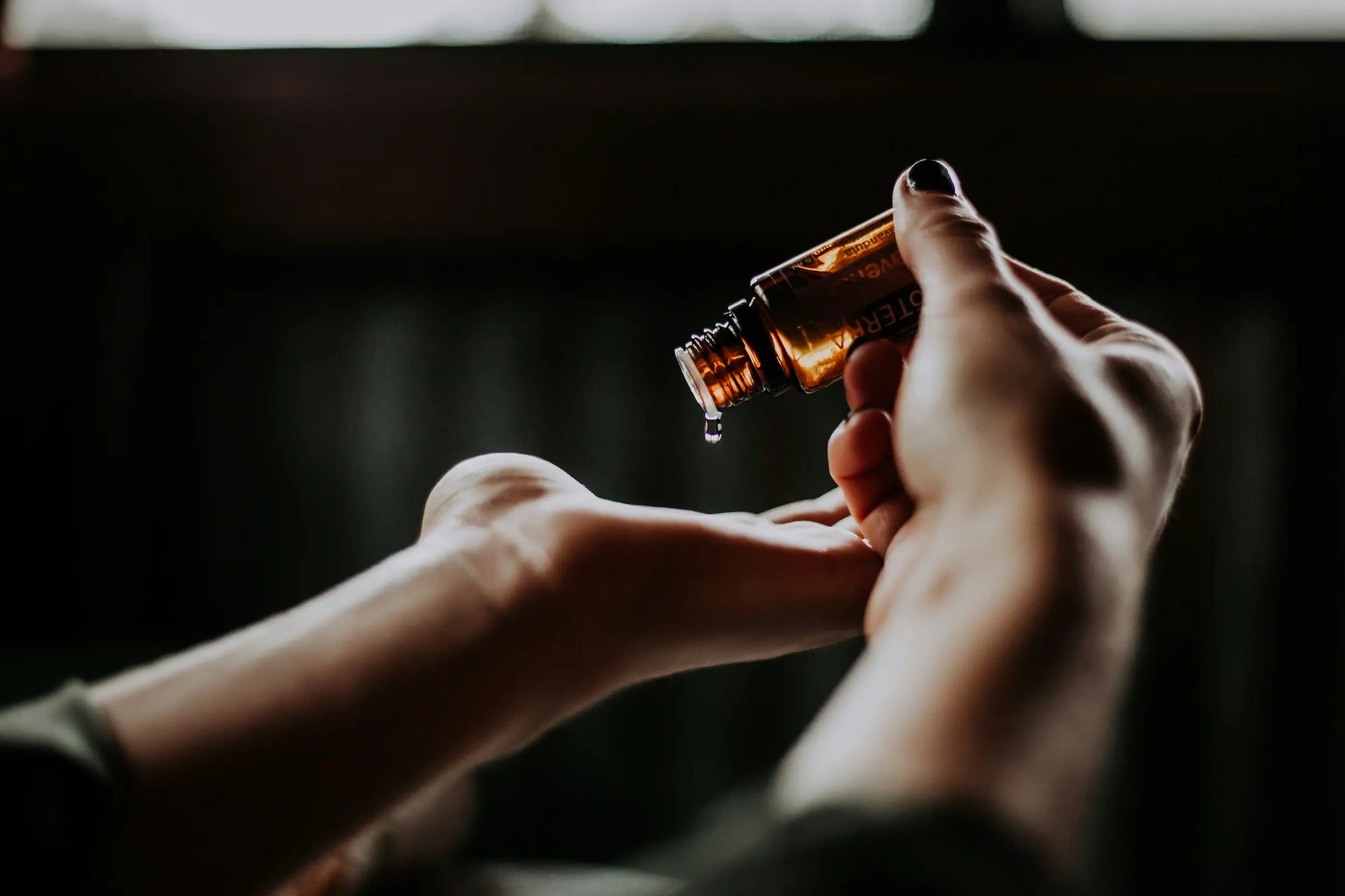
Prioritize pulse points: neck, wrists, behind the ears, and the bend of the elbow. Spray from 10–20 cm for homogeneous dispersion and avoid rubbing, as it accelerates the evaporation of the top notes and can modify the evolution curve. Distribute 2–4 sprays in different areas for a uniform trail; precision is preferable to overdosing.
Fabrics and hair
On natural fabrics (cotton, linen, wool), the aroma lasts longer. Spray from a distance to minimize stains; avoid silk and delicate materials. On hair, use specific hair mists or perfume the comb before gently running it through to preserve the fiber and achieve controlled diffusion.
Seasonality and environment
In summer, heat increases volatility: opt for less exposed areas (behind the knees, inner part of the arm) and reduce dosage. In winter, applying under layers (chest, collar of the shirt) favors the development of the heart and base. Temperature, humidity, and ventilation modify perception; adjust location and intensity according to the context.
Concentration and composition
Concentration influences duration: Eau de Parfum (EDP) and parfum usually offer greater persistence than Eau de Toilette (EDT). Compositions with woody, amber, musky, and resinous bases tend to leave a more prolonged mark. If your priority is persistence, prioritize EDP/parfum and accords with tenacious bases.
Effective layering
Build a compatible base: neutral shower gel, body cream with matching notes (e.g., soft vanilla to round out woods; clean citruses to brighten top notes), and then apply the perfume. Well-aligned layering prolongs the perception of the accord without creating olfactory conflicts.
To better understand and choose layered combinations (top, heart, and base), consult the guide: What are the notes of a perfume?.
Errors that reduce the duration of the perfume
Rubbing after applying accelerates the transition and impoverishes the top notes. Applying on very dry skin promotes rapid evaporation. Overdosing saturates the sense of smell and can cause olfactory fatigue without actually increasing persistence. Perfuming delicate fabrics increases the risk of stains and does not improve performance.
Smart reapplication
If the day is long, carry a travel atomizer for a timely reapplication at pulse points. Low and strategic dosing maintains the coherence of the accord and avoids saturation. In ventilated spaces or warm climates, moderate reapplication is more effective than increasing the initial dose.